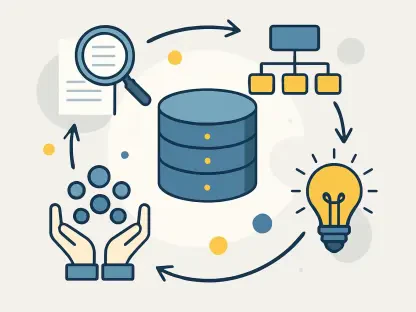

The global business landscape in 2025 has moved past the initial phase of digital transformation into a period defined by the high-stakes management of massive information streams. While organizations previously struggled to simply capture user data, the current challenge involves navigating a

While Python consistently dominates the global rankings of programming popularity, its transition from a developer’s local script to a distributable, self-contained application remains one of the most persistent bottlenecks in modern software engineering. The language was fundamentally conceived as

The realization that a single vulnerability could compromise millions of private code repositories has sent shockwaves through the global development community. As cybersecurity researchers continue to push the boundaries of automated threat detection, a critical remote code execution flaw, tracked
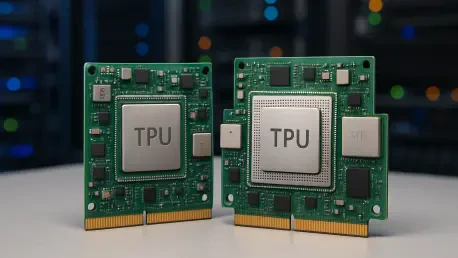
The global demand for computational power has reached a critical inflection point where the sheer scale of artificial intelligence models is testing the physical boundaries of semiconductor engineering and energy sustainability. At the Google Cloud Next conference, a landmark shift in hardware
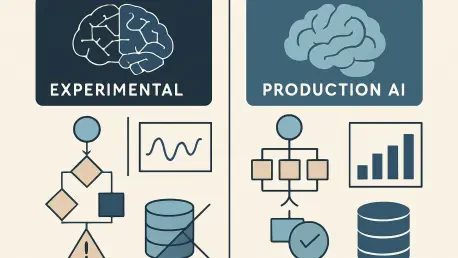
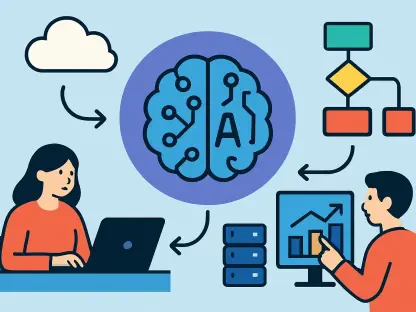
The gap between a successful laboratory experiment and a resilient, revenue-generating enterprise application is often wider than many technology leaders initially anticipate when launching their first neural networks. While a prototype might impress a small group of internal stakeholders with its

Developers noticed the ground shifting when lightweight autocomplete turned into agentic help that can orchestrate tools, read huge contexts, and refactor entire repositories, and that leap forced a billing rethink because the old assumptions about “one request, one cost” no longer fit the