
Thevelocityofcyberattackisinthecurrentdigitallandscapehasreachedapointwheremanualinterventionalonecannolongerguaranteethesafetyofsensitivecorporatedataassets. This reality has prompted a monumental shift in the strategic alliance between PwC and Google Cloud, culminating in the launch of a unified, AI-driven managed security service designed to modernize defense mechanisms through extensive automation. By committing four hundred million dollars over a three-year period starting in 2026, these organizations have signaled a departure from conventional consulting toward a model centered on high-tech managed services. This initiative leverages the robust infrastructure of Google Security Operations to deliver a platform that is not only more efficient but also significantly more cost-effective than previous iterations. By integrating advanced machine learning directly into the core of security operations, the collaboration aims to redefine how global enterprises perceive and manage risk in an increasingly volatile environment.
Integration of Specialized Autonomous Agents
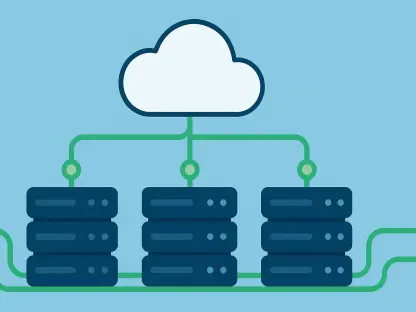
Central to this technological advancement is the deployment of agentic AI workflows, which function as a decentralized network of specialized digital entities. Unlike historical security models that required massive human teams and sprawling physical infrastructure, this system utilizes specific agents designed to handle heavy operational workloads autonomously. Threat-identifying agents continuously scan network environments for subtle vulnerabilities that might elude standard detection software, while triage agents analyze the severity of incoming alerts to prioritize the most critical risks. Once a legitimate threat is confirmed, mitigation agents suggest or implement direct solutions, significantly reducing the time between detection and remediation. This modular approach allows the security platform to scale horizontally, ensuring that as a company grows, its defensive capabilities expand without a corresponding increase in overhead.
While the degree of automation within these workflows is unprecedented, the operational framework maintains rigorous human checkpoints to ensure high levels of oversight and quality control. This hybrid model recognizes that while AI excels at pattern recognition and rapid data processing, human expertise remains vital for interpreting complex geopolitical contexts and making high-stakes ethical decisions. Professional analysts monitor the outputs of the agentic system, intervening when anomalies require a more nuanced understanding than a machine can currently provide. This relationship ensures that the system remains reliable under pressure, preventing the “black box” effect where decisions become untraceable or opaque. Furthermore, the integration of PwC’s extensive proprietary knowledge libraries into the Google Cloud environment provides these agents with a unique contextual awareness, allowing them to align security actions with industry standards.
Democratization of Enterprise Grade Cybersecurity
One of the most significant strategic outcomes of this partnership is the ability to target a market segment that was previously beyond the reach of top-tier consulting firms. Historically, the most sophisticated security operations were reserved for massive corporations with the budgetary capacity to fund multi-million dollar defense contracts. However, by utilizing the inherent scalability of Google’s cloud technology, the new service offering becomes accessible to small and mid-sized enterprises that face the same sophisticated threats as their larger counterparts. This shift toward providing better, faster, and cheaper services allows these growing organizations to benefit from world-class expertise without the need for an internal security team of hundreds. This productization of high-level advisory services represents a broader trend in the professional services industry, where firms are increasingly transforming their expertise into automated platforms.
Decision-makers who aimed to stay ahead of the curve prioritized the integration of these AI-driven services to fortify their digital perimeters against increasingly sophisticated adversaries. Leaders focused on auditing their existing security stacks to identify where agentic workflows could replace legacy manual processes, thereby reclaiming valuable human capital for more strategic tasks. They also invested in robust data governance frameworks to ensure that the information fed into these AI agents remained accurate and secure. By evaluating the performance of these automated systems against historical benchmarks, organizations gained the clarity needed to scale their operations efficiently. This proactive approach allowed firms to transform their security posture from a reactive cost center into a resilient asset that enabled faster business growth. Ultimately, the transition to these managed services provided a blueprint for how technical partnerships solved the talent shortage.