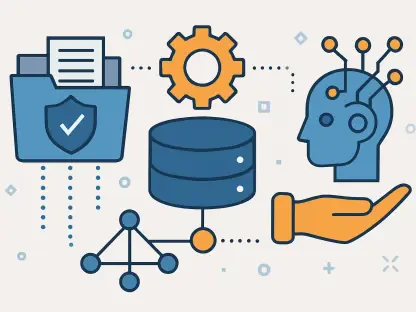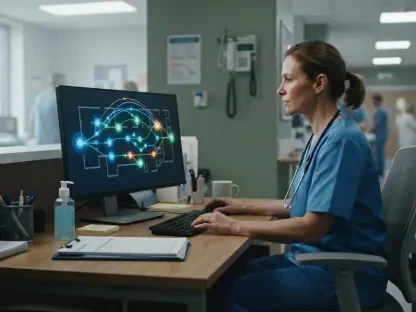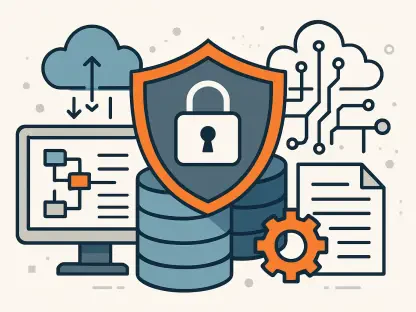

The transition from decades-old legacy systems to modern cloud environments often leaves enterprises stuck in a digital waiting room, but the energy giant Uniper is rewriting this narrative by embedding advanced artificial intelligence into its operations well before its scheduled migration deadline. While many international organizations hesitate to deploy cutting-edge tools until their foundational infrastructure is perfectly polished, this Düsseldorf-based provider has chosen a path of simultaneous modernization. By merging a hybrid cloud strategy with generative intelligence, the company is managing to extract significant value from a twenty-year-old technical core while building the framework for a future-ready enterprise.
This initiative is particularly significant because it challenges the traditional sequential approach to digital transformation, which usually dictates that a total ERP overhaul must precede any meaningful AI implementation. Instead, the strategic integration serves as a live laboratory for how large-scale energy infrastructure can maintain stability while pivoting toward extreme automation. The success of this model suggests that the distance between legacy constraints and cloud-native innovation is much smaller than previously thought, provided the right architectural bridges are in place to facilitate the flow of data.
Decoupling Innovation from Migration Deadlines
The traditional roadmap for upgrading enterprise resource planning systems often stretches over several years, leading to a period of technological stagnation that modern businesses can no longer afford. Uniper has recognized that waiting until the final completion of its move to the cloud in 2027 would result in missed opportunities for operational efficiency and competitive advantage. Consequently, the company has decoupled its innovation cycles from its migration schedule, allowing developers to deploy generative AI capabilities across the organization today rather than waiting for a distant finish line.
This proactive stance is essentially a defensive measure against the rapid pace of change in the global energy market. By utilizing a hybrid cloud architecture, Uniper can modernize its twenty-year-old technical backbone incrementally, ensuring that the business benefits from automation even as legacy SAP systems are systematically phased out. This approach ensures that the migration process does not become a bottleneck for progress but rather a secondary track that eventually merges with a high-functioning, AI-enhanced operational environment.
Furthermore, the strategy allows the workforce to acclimatize to new digital tools in a familiar context before the entire platform shifts. Instead of a “big bang” implementation that could overwhelm employees, the gradual introduction of AI-driven workflows provides a smoother transition path. It transforms the migration from a purely technical exercise into a comprehensive evolution of business logic and employee capability, ensuring that by the time the cloud transition is complete, the organization is already proficient in the tools of the next decade.
The Strategic Impetus for a Hybrid Transformation
Managing critical energy infrastructure requires a level of stability that often clashes with the inherent volatility of rapid digital innovation. Uniper operates within a complex, highly customized legacy environment that has been tailored to its specific needs over two decades, making a direct move to SAP S/4HANA Cloud Private edition a massive undertaking. The service, facilitated by “Rise with SAP,” involves untangling years of bespoke code and localized data silos, a multi-year journey that presents significant technical hurdles and potential risks to daily operations.
The immediate need for data-driven decision-making and operational speed has led the company to adopt a hybrid model as the most viable solution. This architecture bridges the gap between the rock-solid stability of on-premises systems and the agile, scalable nature of cloud-native applications. It allows the business to remain competitive during the transition period by providing access to high-performance computing and advanced analytics without requiring an immediate, wholesale replacement of the core ERP software that keeps the power plants running.
In addition to technical flexibility, the hybrid transformation addresses the economic reality of modern energy management. In an era where market conditions can shift in hours, the ability to process vast amounts of data for predictive maintenance and procurement is vital. The hybrid model provides the necessary “sandbox” for these advanced functions to exist alongside traditional records, creating a dual-speed IT environment where the core remains secure while the edges of the business innovate at the speed of the cloud.
Core Components of the AI-Enhanced Architecture
The effectiveness of the digital strategy rests on a technical foundation that seamlessly blends established data structures with modern cloud platforms. By focusing on how different layers of the technology stack interact, the company has created a resilient ecosystem that supports both legacy reliability and modern intelligence.
Leveraging SAP Business Technology Platform as a Bridge
The SAP Business Technology Platform, or BTP, acts as the central anchor for the entire hybrid architecture, serving as the primary connective tissue between the old and the new. By utilizing OData services, the system can extract critical business logic and historical data from legacy ECC environments without needing to modify the underlying code. This allows for the development of cloud-native applications that interact with historical data in a modern interface, effectively shielding the “clean core” of the future S/4HANA environment from the complexities of legacy customizations.
The Dual Power of SAP Joule and Microsoft Copilot
To maximize productivity across its diverse workforce, Uniper has implemented a dual-assistant strategy that leverages the strengths of two major ecosystems. SAP Joule serves as the specialized navigator for the intricate world of ERP data and procurement workflows, providing deep insights into transactional history and supply chain logistics. Meanwhile, Microsoft Copilot offers a familiar, user-friendly interface for general productivity tasks and decentralized development. This combination ensures that whether an employee is analyzing a complex financial report or building a simple automated workflow, they have an AI partner optimized for that specific task.
Specialized AI Models for Structured ERP Data
Understanding that standard Large Language Models often struggle with the precision required for financial and logistical data, the company has integrated specialized models like SAP RPT-1. Unlike general AI that might “hallucinate” numerical values based on linguistic probability, these specialized models are trained to interpret tabular and structured data with mathematical accuracy. This ensures that generated insights regarding budgets, stock levels, and invoices are grounded in reality, providing a reliable basis for executive decision-making and inventory management across the energy network.
Real-World Applications and Expert Insights
The true value of this hybrid cloud and AI integration is best demonstrated through its tangible impact on daily business functions. By moving beyond theoretical benefits, the company has implemented specific solutions that solve long-standing bottlenecks in finance and procurement while maintaining a focus on long-term architectural integrity.
Revolutionizing Procurement and Finance Workflows
One of the most impressive results of this strategy is the “Invoice-Checking GenAI App,” which has fundamentally changed the accounts receivable process. By automating the reconciliation of PDF invoices against internal SAP records, the application reduces manual labor and minimizes human error in high-volume financial transactions. In the procurement department, natural language processing tools now allow employees to navigate previously siloed data through a unified “cockpit” interface. This tool enables staff to ask simple questions about complex purchasing histories, significantly reducing the time spent searching through fragmented legacy databases.
The Clean Core Philosophy and Vendor Interoperability
Achim Löbke, the head of SAP transformation, maintains that developing new capabilities on the SAP BTP is essential for preventing the accumulation of new technical debt. By adhering to a “clean core” philosophy, the company ensures that its custom AI tools will remain compatible with future software updates without requiring extensive rewrites. Furthermore, by refusing to be locked into a single vendor’s AI stack, the organization benefits from the synergy between SAP’s specialized data models and the broad reach of the Microsoft ecosystem, creating a flexible environment that can adapt as new technologies emerge.
Strategies for Navigating Organizational and Technical Hurdles
Successfully integrating artificial intelligence into a massive, established energy enterprise requires a comprehensive framework that addresses human and regulatory challenges alongside technical configuration. The project leaders recognized early on that software alone would not guarantee success; instead, they focused on building a culture and a governance model that could sustain long-term change.
Overcoming Governance and Legal Friction
Because the provider manages critical national energy infrastructure, the ethical and security implications of AI deployment are of paramount importance. To manage these risks, the company established a dedicated governance board to bridge the communication gap between technical innovators and legal teams. This board ensures that every AI use case is scrutinized for data privacy, security, and ethical compliance, effectively translating complex technical concepts into the language of risk management. This structured approach has allowed the company to move forward with innovation while maintaining the trust of regulators and stakeholders.
Shifting Culture from Anxiety to Exploration
Addressing the natural anxiety that accompanies the introduction of automation was a high priority for the leadership of the 7,000-person workforce. To combat fears of job displacement, the company launched “AI Experience Days,” which are interactive events designed to show employees how AI can handle mundane, repetitive tasks. By rebranding the technology as a supportive partner that frees staff for more strategic and creative work, the organization has fostered a culture of curiosity rather than resistance. This shift in mindset has been crucial for the widespread adoption of new tools and the overall morale of the digital transformation team.
Implementing a Scaled Agile Framework
To ensure that IT developments remained perfectly aligned with actual business needs, the organization adopted a scaled Agile approach for its migration journey. This methodology involves daily synchronization between developers and bi-weekly check-ins with business department leads, allowing for rapid iterations and the immediate realization of value. This constant feedback loop ensures that the AI tools being built are actually solving real-world problems for the people on the front lines. It has transformed the development process from a rigid, top-down hierarchy into a dynamic partnership that can respond to shifting priorities in real time.
The integration of these advanced systems demonstrated that the path to a fully realized digital enterprise required more than just a software update; it necessitated a complete overhaul of how data and human expertise intersected. The initiative successfully proved that legacy systems, when bridged correctly via a hybrid cloud, could provide a fertile ground for generative intelligence well before a total migration was finished. The project highlighted the importance of vendor interoperability, showing that the most effective AI ecosystems are those that leverage specialized data models alongside general productivity tools. By the time the final migration phase concluded, the organization had already transformed its culture, moving from a position of legacy-induced caution to one of AI-driven exploration. The lessons learned from this journey established a new benchmark for the energy sector, suggesting that future digital excellence would depend on the ability to innovate while simultaneously managing the weight of historical technical debt. This shift allowed the business to enter the final years of the decade with a standardized, intelligent infrastructure that was as resilient as it was innovative. Moving forward, the focus will likely shift toward autonomous agentic systems that can execute entire transactions, further reducing the need for manual intervention in complex supply chain cycles. This strategy ensured that the company was not merely catching up with the industry but was actively defining the parameters of modern energy management.