

By treating user activity as a continuous stream of data, the DBFP model identifies latent needs that users themselves may be unable to articulate in standard surveys. This paradigm shift addresses the fundamental limitations of traditional product development, where roadmaps are often dictated by

Leading vendors like NiCE and Genesys are now positioning themselves as AI orchestration platforms rather than traditional telecommunications providers. This fundamental shift marks the definitive end of the era where customer service was synonymous with rows of physical desk phones and massive

High-stakes decisions in modern enterprise environments no longer wait for human confirmation because autonomous agents now possess the technical capability to execute complex tasks across disparate cloud infrastructures without oversight. This leap from generative conversation to active execution
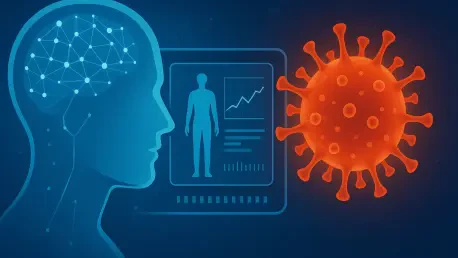
The superiority of zero-shot models was most pronounced in one-step-ahead forecasting, where they consistently ranked first across multiple country-specific datasets. This realization comes at a pivotal moment in 2026, as the global health community seeks more agile ways to anticipate viral surges

Deployment teams are now working to operationalize AI use cases by grounding models in an organization’s existing unstructured data through a milestone-based approach. In the current landscape of 2026, the initial fascination with generative models has transitioned into a rigorous demand for

Applying the osESD framework to volatile stock market data from Apple and Tesla demonstrates its ability to handle erratic patterns without generating excessive false alarms. As the digital landscape undergoes rapid expansion in 2026, the volume of telemetry from financial logs, industrial sensors,

Bridging the AI productivity gap requires moving away from simple chatbots toward sophisticated agentic workflows that emphasize total transparency and auditability. While software engineers have rapidly integrated generative tools to amplify their output, data professionals like business analysts

The traditional fortress of centralized information technology is rapidly crumbling as artificial intelligence transitions from a specialized technical expense into the primary engine of organizational growth and competitive differentiation. This evolution marks a departure from the days when the

A dual-path neural architecture known as RGAE+PNNR addresses the fidelity bottleneck by processing semantic structure and pixel-level details through separate, specialized channels. In the contemporary landscape of high-precision manufacturing and medical diagnostics, the ability to identify subtle

The democratization of clinical robotics relies on providing non-specialists with intuitive graphical interfaces that abstract complex remote procedure calls into simple sliders. In the current landscape of 2026, the transition of robotic rehabilitation from specialized engineering labs into
1 2 3 4 5 6 7 8 9 10 11 12 13 14 15 16 17 18 19 20 21 22 23 24 25 26 27 28 29 30 31 32 33 34 35 36 37 38 39 40 41 42 43 44 45 46 47 48 49 50 51 52 53 54 55 56 57 58 59 60 61 62 63 64 65 66 67 68 69 70 71 72 73 74 75 76 77 78 79 80 81 82 83 84 85 86 87 88 89 90 91 92 93 94 95 96 97 98 99 100 101 102 103 104 105 106 107 108 109 110 111 112 113 114 115 116 117 118 119 120 121 122 123 124 125 126 127 128 129 130 131 132 133 134 135 136 137 138 139 140 141 142 143


