
Enterprise data scientists spent nearly eighty percent of their development cycles during the early AI boom merely managing the logistical friction of vectorizing data and synchronizing indices. This operational overhead created a significant barrier for organizations attempting to move from

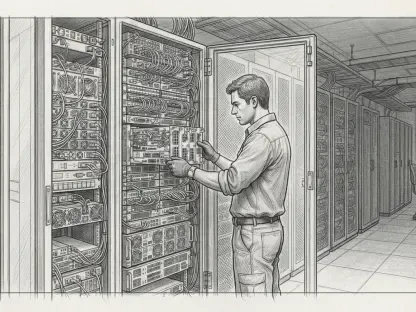
The traditional corporate data center, once a fortress of proprietary hardware and rigid capital expenditures, has effectively dissolved into a global fabric of programmable services that prioritize operational speed over physical possession. Looking back from the current technological landscape,

Chloe Maraina understands that in the digital age, a company is only as strong as its last customer interaction. As a Business Intelligence expert with a deep-seated passion for data science, she sees the intricate web of data points that form the modern customer journey. Today, we sit down with
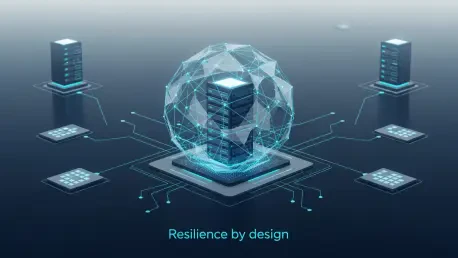
The rapid transition of generative artificial intelligence from a niche experimental tool into a foundational element of enterprise production has revealed significant vulnerabilities within traditional data protection frameworks. As organizations move beyond initial pilot programs and start

The vast majority of corporate investment in large language models has historically failed to penetrate the core of daily operations, leaving countless digital transformation projects stranded in a developmental limbo often described as pilot purgatory. Despite billions of dollars poured into

The digital corridors of modern enterprise are no longer just buzzing with simple chat bots; they are now the proving grounds for autonomous agents that must navigate complex business labyrinths without human supervision. This transition marks a fundamental shift from the era of basic retrieval