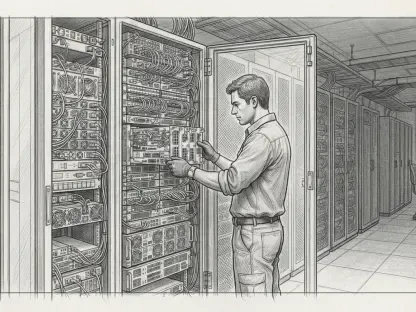

The transition from experimental generative artificial intelligence to robust, production-ready systems requires a fundamental shift in how enterprise data architectures are managed and scaled. As of 2026, organizations have realized that simply connecting a large language model to a static

The sheer volume of telemetry data produced by modern autonomous agents has pushed traditional log management frameworks to a breaking point where storage costs often exceed the economic value of the insights derived. AWS OpenSearch Analytics Engine emerged as a direct response to this crisis,

The digital world is currently witnessing a paradoxical struggle where the most sophisticated large language models remain fundamentally trapped in a cycle of perpetual amnesia. Despite their ability to process billions of parameters and simulate human-like reasoning, these models are essentially

The rapid proliferation of decentralized intelligence has reached a critical threshold where the inability to securely exchange sophisticated AI models has become the primary barrier to global corporate innovation. In the current landscape of 2026, organizations are no longer satisfied with the

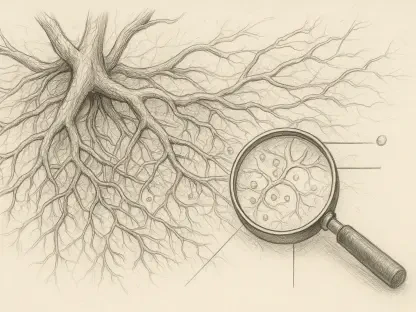
Modern laboratories generate petabytes of single-cell sequencing data every day, yet the ability to transform these vast digital libraries into actionable medical insights remains a bottleneck for researchers worldwide. While existing visualization methods often struggle with the "curse of

The rapid proliferation of autonomous agents across the global enterprise landscape has fundamentally exposed a critical deficiency in traditional database infrastructures that lack the contextual continuity required for complex decision-making. While large language models have mastered the art of