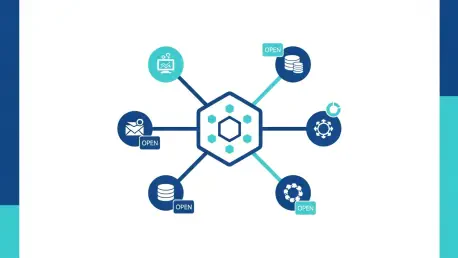
Organizations are currently grappling with an unprecedented level of data dispersion that threatens to turn their most valuable digital assets into inaccessible liabilities buried within fragmented cloud silos. This reality necessitates a move toward unified analytics to dismantle technology

The rapid democratization of elite artificial intelligence technology has reached a tipping point where the industry's most influential architects are willingly dismantling their proprietary barriers to foster a new era of universal connectivity. While the previous phase of the AI revolution was

From Server Management to Model Mastery: Redefining the AI Developer Experience Transitioning from high-level data science to the gritty reality of hardware management often feels like trading a scalpel for a sledgehammer in a room full of glass. Engineering teams frequently find themselves bogged
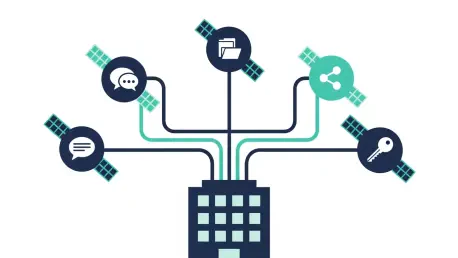
Organizations today face a critical dilemma as centralizing sensitive intellectual property within proprietary messaging platforms often exposes them to unforeseen data breaches and unauthorized third-party surveillance. As corporate espionage and sophisticated cyberattacks become more frequent in

Contextualizing AI Agent Security: From Monitoring to Verification The rapid transition from experimental AI chatbots to fully autonomous digital workers has introduced a security landscape where traditional safeguards often fall short of protecting enterprise integrity. As organizations grant AI

The rapid integration of autonomous artificial intelligence into cloud infrastructure management has created a paradoxical situation where the speed of innovation frequently outpaces the ability of security teams to maintain oversight. As organizations struggle to monitor sprawling multi-cloud