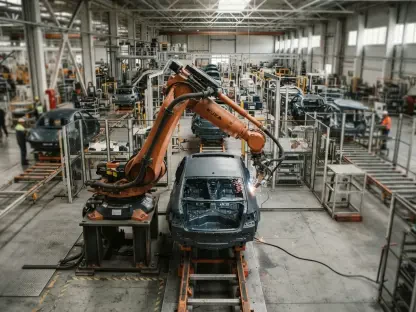

The structural bridge between raw enterprise data lakes and autonomous AI agents has historically been a fragile patchwork of outdated spreadsheets and disconnected documentation. As organizations in 2026 strive for reliable automation, the DataHub Cloud Context emerges as a vital framework for

The architectural complexity of the modern enterprise has finally reached a point where manual intervention is no longer a viable strategy for maintaining system stability and security across fragmented hybrid cloud environments. Engineers have spent years trapped in a cycle of reactive patching

A new workflow builder enables AI agents to move beyond providing simple answers to triggering real-world actions like initiating procurement requests. This evolution marks a significant departure from the static dashboards of the previous decade, where human intervention was required to bridge the
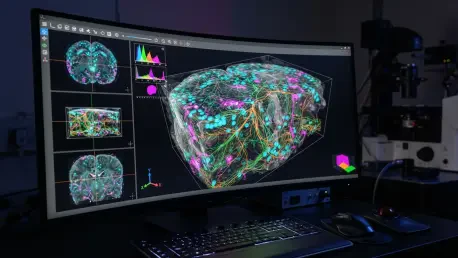
Specialized somata counting features utilize morphological filtering and watershed segmentation to separate overlapping nuclei in dense tissue samples. This advancement represents a critical shift in how researchers approach the quantification of cellular structures within voluminous and complex

The velocity of modern commerce demands that underlying data architectures operate with the silent precision of a high-performance engine while supporting petabytes of information across a global footprint. As 2026 progresses, global organizations are shifting their most critical workloads to the

The seamless fusion of generative artificial intelligence with complex enterprise resource planning systems has transitioned from a visionary concept to a critical operational requirement for modern business environments. While Large Language Models can generate text or synthesize code within