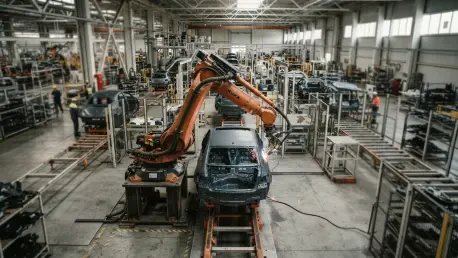

Predictive maintenance acts as a force multiplier by directing limited technician resources toward the specific robotic assets that show genuine signs of physiological distress. In the current industrial landscape of 2026, the proliferation of robotics has reached an unprecedented scale, with global operational stocks exceeding five million units. This massive surge is fueled by the necessity for high-precision execution in sectors ranging from semiconductor fabrication to heavy automotive assembly. As factories lean more heavily on these automated systems, the financial consequences of an unexpected mechanical failure have grown exponentially. Traditional maintenance strategies, once considered the gold standard, are now struggling to keep pace with the sheer complexity and interconnectedness of modern manufacturing lines. Consequently, forward-thinking organizations are prioritizing a transition toward advanced predictive frameworks that utilize real-time data to maintain uptime and protect investments.
The Maintenance Paradigm: Shifting to Condition-Based Care
Historically, industrial facilities have relied on preventive maintenance, which follows a rigid, calendar-based schedule regardless of a machine’s actual state. This approach, while providing a baseline of care, often creates a cycle of inefficiency by triggering service on robots that are performing perfectly well while missing nascent defects in others. In a high-density robotic environment, the limitations of these fixed intervals are glaring, as they cannot account for the subtle variations in environmental stress or workload intensity that cause premature wear. As manufacturers strive for leaner operations, the hidden costs of unnecessary downtime and spare part consumption become harder to justify. The shift toward predictive analytics allows maintenance teams to bypass the guesswork associated with traditional schedules, focusing instead on the empirical health of the hardware. This transition transforms the role of the technician from a scheduled laborer into a precision specialist.
The success of a modern predictive strategy hinges on identifying specific signals, such as vibration patterns, thermal spikes, and fluctuations in motor torque, which serve as early warning signs. High-frequency sensors now monitor the acoustic signatures of gearboxes and the thermal output of electronic controllers with microscopic accuracy. By analyzing these data points within the broader context of the entire workcell, maintenance teams can distinguish between normal operational variations and genuine hardware failures. This level of granularity ensures that intervention only occurs when a specific threshold of degradation is reached, effectively eliminating the risk of catastrophic breakdowns. Furthermore, integrating these signals into a unified data ecosystem allows for the identification of systemic issues that might otherwise go unnoticed. This objective, data-driven methodology provides a level of operational clarity that ensures production targets are met without compromise.
Operational Throughput: Maximizing Efficiency and Durability
Implementing predictive maintenance provides a significant cushion for production schedules by preventing the ripple effect where one failed robot halts an entire assembly line. In contemporary manufacturing, where just-in-time delivery and tight integration are the norm, a single hour of unplanned downtime can translate into millions of dollars in lost revenue and logistical chaos. Predictive frameworks mitigate this risk by providing lead times that allow for the strategic procurement of specialized components long before they are actually needed. This foresight enables facility managers to optimize their inventory of spare parts, reducing the overhead associated with stockpiling expensive emergency replacements. By knowing exactly which component will fail and when, logistics teams can coordinate with suppliers to ensure that the necessary hardware arrives just in time for a scheduled repair window. This synchronization represents a massive leap in overall factory efficiency.
Beyond immediate mechanical efficiency, predictive frameworks significantly improve the safety and focus of the maintenance workforce. By shifting from high-stress emergency repairs to planned service windows, technicians can follow safety protocols more rigorously without the pressure of an active production stoppage. When a robot fails unexpectedly, the urgency to restore production often creates an environment where safety shortcuts might be taken or complex diagnostics are rushed. Predictive maintenance removes this volatility by allowing repairs to be conducted during natural gaps in the production cycle. Additionally, by addressing minor wear early, manufacturers prevent secondary damage to complex components, effectively extending the total service life of their robotic fleet. A small investment in replacing a worn bearing today prevents the destruction of a multi-axis motor tomorrow, ensuring that the initial capital investment continues to yield returns for many years to come.
Industrial Stability: Strategic Implementation and Future Steps
The final advantage of predictive maintenance lies in its ability to turn raw operational data into clear, actionable management decisions that stabilize the entire facility. Modern industrial software platforms now provide intuitive dashboards that rank the health of every robotic asset, allowing supervisors to prioritize interventions based on criticality and potential impact. This insight allows factory leaders to coordinate maintenance with natural production breaks, such as product changeovers or shift transitions, ensuring the facility remains ahead of potential disruptions. Ultimately, this data-driven approach transforms maintenance from an unpredictable cost center into a proactive driver of factory-wide reliability. By aligning technical needs with business objectives, organizations can maximize the utilization of their automated assets while minimizing the risk of expensive surprises. This strategic alignment is essential for maintaining a competitive edge in a global market.
To fully realize these benefits, manufacturers should begin by retrofitting existing robotic lines with high-fidelity sensors and auditing their current data infrastructure to ensure compatibility with AI-driven analytics tools. Investing in workforce training is equally vital, as technicians must be equipped to interpret complex diagnostic reports and execute precision repairs based on predictive alerts. In the past, industrial leaders often viewed maintenance as a necessary burden that subtracted from the bottom line, but the successful adoption of predictive frameworks proved that it is actually a primary lever for operational excellence. Moving forward, the focus must shift toward creating autonomous maintenance loops where robots can self-diagnose and request service without human intervention. By embracing these actionable steps, factories can secure their production targets and foster a culture of continuous improvement. Maintenance evolution remains a defining characteristic of manufacturing.