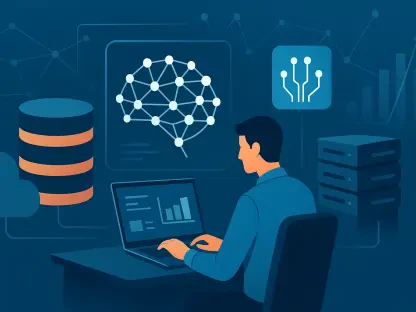

The rapid proliferation of decentralized intelligence has reached a critical threshold where the inability to securely exchange sophisticated AI models has become the primary barrier to global corporate innovation. In the current landscape of 2026, organizations are no longer satisfied with the

Modern laboratories generate petabytes of single-cell sequencing data every day, yet the ability to transform these vast digital libraries into actionable medical insights remains a bottleneck for researchers worldwide. While existing visualization methods often struggle with the "curse of

Navigating the labyrinthine complexities of the four-trillion-dollar municipal bond market requires an unprecedented level of precision that traditional human-led analysis often struggles to maintain consistently. Historically, municipal bonds have been viewed as a bastion of safety, second only to

The transition from predatory data harvesting to a permission-based model represents the most significant evolution in digital marketing since the invention of the search engine itself. Organizations previously functioned on the principle that more data was inherently better, often gathering

The rapid proliferation of autonomous agents across the global enterprise landscape has fundamentally exposed a critical deficiency in traditional database infrastructures that lack the contextual continuity required for complex decision-making. While large language models have mastered the art of

The contact center industry is currently witnessing a massive shift from reactive support to proactive, autonomous problem-solving. Genesys, a long-standing leader in the customer experience space, has made a decisive move to dominate this new era by acquiring the AI startup Pinkfish. This