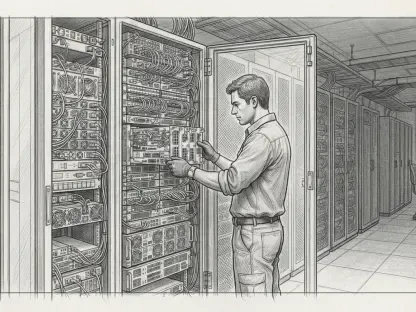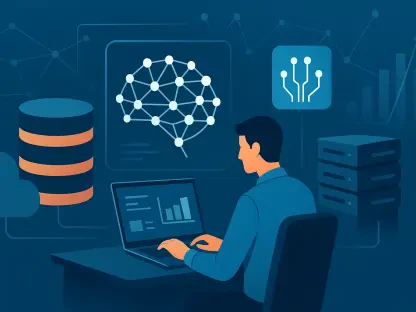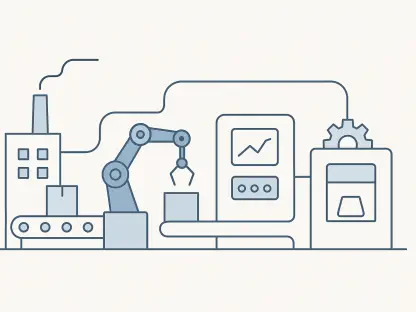

Every second, the global digital footprint expands by petabytes, yet nearly eighty percent of enterprise information remains trapped within inaccessible silos or legacy systems that cannot support the computational demands of modern machine learning. This architectural bottleneck forces data

The inherent complexity of modern supply chains demands a level of coordination that traditional siloed management systems can no longer provide in an increasingly volatile global market. As manufacturers and retailers navigate fluctuating consumer demands and unpredictable geopolitical shifts, the

Database administrators often shudder when a project stakeholder suggests that a proposed migration or integration is a simple task involving nothing more than "just data." This dismissive phrasing ignores the reality that modern digital assets represent the culmination of years of institutional
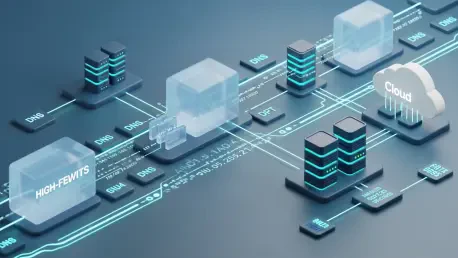
The digital backbone of the modern economy is currently vibrating with a seismic shift that promises to redefine how every single byte of information is tracked, categorized, and protected within the enterprise. Infoblox’s announcement on July 9, 2026, regarding its intent to acquire Kentik

Transitioning to a sophisticated cloud-based Enterprise Resource Planning system represents a pivotal moment that defines whether a modern organization will thrive or merely survive in the increasingly competitive digital landscape of the current decade. While the technical allure of real-time data

A global manufacturing leader recently discovered that its most advanced predictive maintenance AI was generating false alerts because it could not distinguish between two identical serial numbers used in different regional facilities. This high-profile failure underscores a critical reality in the