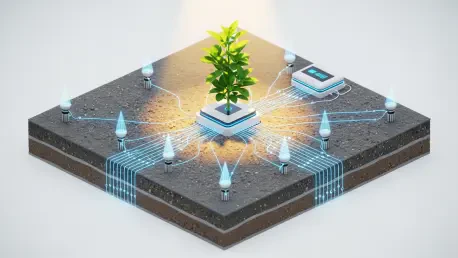

The agricultural sector is currently undergoing a massive transformation where the difference between a record-breaking harvest and a total crop failure often depends on the microscopic management of soil minerals like manganese. The precise orchestration of soil chemistry is no longer a matter of guesswork or broad regional averages; instead, it relies on sophisticated analytical frameworks that interpret millions of data points to provide actionable insights. Recent studies have indicated that by refining the application of manganese through data mining, growers can potentially boost crop outputs by approximately 20% while simultaneously reducing resource waste by 15%. This shift toward precision not only maximizes the immediate harvest but also safeguards long-term soil vitality and productivity. As global demand for high-quality food increases, the ability to fine-tune the delivery of essential minerals becomes a critical component of a sustainable and resilient agricultural infrastructure. By moving away from the era of uniform field treatments, the industry is entering a phase where every square foot of land is treated according to its specific biological needs, ensuring that nutrients are utilized with maximum efficiency and minimal environmental footprint.
1. Core Advantages: Refining Nutrient Delivery
The primary benefit of integrating data analytics into the farming sector lies in the ability to move away from the traditional, one-size-fits-all approach to fertilization. In the past, manganese was often applied based on broad soil maps or general regional recommendations, which frequently led to over-application in some areas and severe deficiencies in others. Data-driven methods now allow growers to fine-tune nutrient use by identifying the exact requirements of specific sub-zones within a single field. This surgical precision ensures that manganese is only applied where it will provide the greatest biological benefit, thereby preventing the unnecessary accumulation of minerals that could otherwise lead to toxicity or environmental runoff. Furthermore, this strategic approach improves decision-making at every phase of the agricultural cycle, from the initial sowing of seeds to the final harvest. By leveraging real-time information, land managers can adapt their strategies to changing environmental conditions, ensuring that crops receive the necessary support during critical growth stages. This level of granularity not only improves the bottom line for individual farms but also contributes to a more stable and predictable food supply chain across the globe.
Advanced remote sensing technologies and satellite imagery have introduced a new dimension to agricultural analysis by providing a comprehensive look at field conditions on a massive scale. Instead of relying solely on labor-intensive ground surveys, farmers can now monitor hundreds of acres simultaneously to identify patterns that are invisible to the human eye. These digital models are designed to find early signs of plant stress or nutrient gaps, such as manganese chlorosis, before the damage becomes irreversible or affects the final yield. By detecting these anomalies in their infancy, growers can implement corrective measures much faster than was possible using older methods. This early detection system serves as a vital safeguard against crop failure, allowing for the rapid deployment of resources to the specific areas that need them most. The integration of high-resolution aerial data with ground-level sensor feedback creates a powerful synergy that enhances the accuracy of every intervention. As these technological systems become more accessible, the ability to manage vast agricultural landscapes with the precision of a small garden is becoming a reality, setting a new standard for operational excellence in the industry.
2. Characteristics: Diverse Channels and Practical Analytics
Modern data mining in the agricultural sector is characterized by its ability to pull information from a vast array of disparate sources. These channels include underground probes that monitor soil moisture and pH, orbital imagery that tracks vegetation health from space, and drone-mounted cameras that provide ultra-high-definition views of individual plants. Additionally, these systems incorporate economic trends, global weather patterns, and even manual reports from field technicians to create a multi-layered understanding of the agricultural environment. The complexity of this data is managed through advanced algorithms that can synthesize thousands of variables into a single, cohesive narrative. This process allows for a transition from simply maintaining historical records to providing active, real-time guidance for those managing the land. By analyzing how different factors such as rain frequency, temperature fluctuations, and soil composition interact with manganese levels, these systems can predict how a specific crop will respond to various management strategies. This holistic view is essential for navigating the complexities of modern farming, where every variable is interconnected and can influence the final outcome of the season.
The true value of agricultural data mining is found in its transition from abstract information to practical, on-the-ground applications. It is not enough to simply collect data; the system must provide clear, actionable insights that help land managers make better choices under pressure. This analytical shift allows for wide-ranging complexity, managing everything from the health of a single plant to the logistical challenges of an entire continental supply network. By identifying hidden correlations between specific farming habits and harvest results, these platforms help farmers refine their techniques over time. For example, a system might discover that manganese absorption is significantly improved when applied at a specific time of day or in conjunction with a particular watering schedule. These insights are then translated into simple, easy-to-understand reports that allow even those without a background in data science to benefit from high-level analytics. This democratization of information ensures that precision farming techniques can be adopted by a wide range of operations, regardless of their size or technical expertise. Ultimately, the goal is to create a continuous progress cycle where every harvest provides new data that is used to improve the results of the following year.
3. Primary Data Channels: Precision Farming Infrastructure
Underground probes serve as the frontline for data collection, providing a constant stream of information regarding the subterranean environment. These devices track moisture levels, soil temperature, and mineral concentrations in real-time, which is essential for managing nutrients like manganese that are highly sensitive to soil conditions. When combined with meteorological monitors that provide updates on heat, rain, and wind, these probes allow for a highly responsive watering and fertilization schedule. For instance, if sensors detect a drop in manganese availability due to heavy rainfall leaching the soil, the system can immediately alert the grower to adjust their application plan. This constant monitoring prevents the delays associated with traditional laboratory soil testing, which can often take days or weeks to return results. By having access to instantaneous data, land managers can address problems before they manifest as physical symptoms in the crops. This proactive approach is a cornerstone of modern precision agriculture, ensuring that the biological needs of the plants are met with perfect timing, regardless of the unpredictability of the weather.
Satellite and aerial imagery provide the high-altitude perspective necessary for managing large-scale operations with extreme precision. Drones and orbital platforms are equipped with multispectral sensors that can map out plant health, leaf moisture, and even mineral deficiencies across thousands of acres. These images are processed to highlight areas of the field that are underperforming, allowing for targeted inspections and localized treatments. Alongside these visual tools, centralized operational platforms help track labor, equipment usage, and planting schedules while storing massive amounts of historical data. These software solutions act as the brain of the farm, integrating economic indicators such as crop prices and supply chain fluctuations with field-level data. By monitoring the market alongside the crops, farmers can adapt their planting and fertilization plans to maximize their financial returns. The combination of high-resolution imagery and robust management software ensures that no detail is overlooked, from the health of a single row of corn to the overall profitability of the entire enterprise. This integrated infrastructure is what enables the high levels of efficiency seen in modern farming.
4. Analytical Techniques: Grouping and Statistical Modeling
One of the most effective analytical techniques used in modern agriculture is the grouping of similar zones, which involves dividing large fields into smaller sections based on shared soil characteristics or historical performance. By clustering these areas, growers can apply specific care to each zone rather than treating the entire field as a single unit. This categorization is vital for managing manganese, as soil pH and organic matter can vary significantly even within a few hundred feet, affecting the mineral’s availability to the plant. Predictive math models are then used to categorize potential outcomes, such as the likelihood of a nutrient deficiency occurring during a specific growth stage. These models can simulate various scenarios, allowing farmers to prepare for potential challenges before they happen. For example, the system might predict a high risk of manganese deficiency if a period of rapid growth coincides with dry weather. By anticipating these needs, land managers can stay ahead of the curve, ensuring that their crops remain healthy and productive throughout the season. This targeted approach significantly reduces the waste of expensive fertilizers while maximizing the impact of every application.
Measuring how crops react to specific inputs through statistical response modeling provides a scientific basis for nutrient management. By analyzing past data, these models can determine the exact relationship between manganese applications and final harvest yields. This allows farmers to identify the point of diminishing returns, where adding more fertilizer no longer results in a significant increase in crop volume. Furthermore, chronological trend analysis enables growers to look at years of past weather and growth patterns to predict future needs for water and minerals. Identifying these long-term trends helps in planning for future seasons, making the operation more resilient to climate variability. Irregularity identification is another critical tool, as it highlights weird or unexpected sensor data that might indicate a malfunctioning probe or a localized disease outbreak. By distinguishing between natural variations and genuine problems, these analytical techniques ensure that the information used for decision-making is both accurate and reliable. The result is a more stable agricultural system that can consistently produce high yields despite the inherent uncertainties of working with nature.
5. Precision Gains: Resource Usage and Operational Costs
The shift toward precision agriculture has led to significant gains in how resources are utilized on the farm. By tailoring the delivery of manganese and other nutrients to the specific needs of the soil, growers can avoid the excessive use of chemicals that was common in the past. This optimization is not only better for the plants but also drastically reduces the waste of water, fuel, and fertilizers. Modern machinery, guided by GPS and real-time data, can vary the rate of application as it moves across the field, ensuring that every drop of liquid or grain of fertilizer is placed exactly where it is needed. This level of control minimizes the amount of chemical runoff that enters local water sources, protecting the surrounding ecosystem from contamination. Additionally, using fewer inputs means that tractors and sprayers spend less time in the field, which lowers fuel consumption and reduces the overall carbon footprint of the operation. These efficiencies contribute to a more sustainable farming model that balances the need for high productivity with the responsibility of environmental stewardship, ensuring that the land remains fertile for future generations.
Reducing operational expenses is a primary driver for the adoption of data-driven farming techniques. By stopping the practice of treating every part of a field the same way, farmers can save a considerable amount of money on raw materials and labor. When manganese is applied only in the areas where it is lacking, the total volume of fertilizer required for a season can drop significantly. These savings directly impact the bottom line, making the farm more profitable and financially stable. Moreover, focusing efforts on the areas of the farm with the highest potential for growth ensures that investments are made where they will generate the best returns. Increasing both the volume and the quality of the crop through precise nutrient management allows farmers to command higher prices in the market. As operational costs are lowered and crop values are increased, the overall economic health of the farming community is strengthened. This financial stability enables further investment in new technologies, creating a virtuous cycle of improvement and growth. In an increasingly competitive global market, the ability to produce more with less is a vital advantage that determines the success of modern agricultural enterprises.
6. Optimization Process: The Manganese Management Loop
The process of optimizing manganese for higher yields begins with a systematic effort to locate areas within the field that are currently deficient. This involves combining ground-level soil samples with aerial spectral data to identify the unique signatures of mineral stress. Once these deficient zones are identified, mathematical models are used to guess what the crops will need as they progress through different stages of development. These predictions take into account the specific biological requirements of the crop variety being grown, as well as the predicted weather conditions for the coming weeks. By forecasting these requirements, land managers can schedule their applications to coincide with the periods of highest nutrient demand. This foresight ensures that the plants never experience a growth-limiting shortage, which is essential for achieving the maximum genetic potential of the seed. Spotting performance flaws in the application equipment is also a part of this process, as it ensures that the planned treatments are actually being delivered as intended. This rigorous attention to detail is what transforms raw data into a tangible increase in harvest volume.
A critical component of the manganese management loop is the continuous evaluation of historical records to identify recurring problems and trends. By looking at how the soil and crops have responded to past treatments, farmers can refine their strategies for the upcoming year. This retrospective analysis helps in identifying areas that are consistently problematic, allowing for long-term soil health interventions. Visual spectrum assessment, conducted via drones or satellites, provides a non-invasive way to monitor these changes over time. By comparing imagery from different points in the season, growers can see the immediate impact of their management decisions on plant health. This feedback loop is essential for continuous improvement, as it allows for the constant refinement of application rates and timing. Measuring the ecological effects of these actions by connecting satellite data with ground sensors also ensures that the farming practices remain within sustainable limits. This comprehensive approach to management ensures that every decision is backed by solid evidence, leading to a more predictable and successful agricultural operation. The result is a highly tuned system that maximizes productivity while minimizing risks.
7. Broad Applications: Forestry and Livestock Management
The techniques developed for precision agriculture are also being successfully applied to the forestry sector to improve health and yield. Satellites and high-altitude drones are now used to track tree growth and estimate total wood volume across vast timberlands. By monitoring the forest canopy for changes in color or density, foresters can identify early signs of disease, pest infestations, or nutrient deficiencies that might otherwise go unnoticed. This aerial perspective is particularly valuable for identifying fire risks, as it can detect dry or dying trees that could serve as fuel for a wildfire. Additionally, these data-driven systems help in verifying regulatory compliance, providing proof that the land is being managed in a legal and sustainable manner. By using data to guide thinning and harvesting operations, forestry companies can maximize their timber production while maintaining the ecological integrity of the forest. This transition toward precision forestry ensures that these vital natural resources are managed with the same level of care and sophistication as high-value food crops, securing the future of the timber industry and the ecosystems it supports.
In the livestock sector, data mining and sensor technology are being used to monitor the health and behavior of animals in real-time. Sensors attached to livestock can track their movement, eating habits, and social interactions, providing early warning signs of sickness or injury. By identifying these issues early, farmers can provide targeted care to individual animals, reducing the need for broad-scale antibiotic use and improving overall herd health. Furthermore, mapping out pastures using satellite data allows for the optimization of grazing land, ensuring that animals always have access to high-quality grass and water. This prevents overgrazing and soil erosion, which are common problems in traditional livestock management. By rotating animals based on real-time data about pasture regrowth, farmers can maintain a healthier landscape and produce higher-quality meat and dairy products. The integration of livestock data with soil and weather information creates a more holistic approach to farm management, where every aspect of the operation is interconnected. This technological advancement is helping to create a more efficient and humane livestock industry that is better equipped to meet the growing global demand for animal products.
8. Environmental Stewardship: Sustainability and Carbon Reduction
One of the most significant environmental benefits of data-driven manganese management is the prevention of excess fertilization. In the past, the over-application of chemicals was a common occurrence, leading to the accumulation of minerals that could harm the soil ecosystem and wash into nearby rivers and lakes. By using data to pinpoint exactly how much manganese is needed in each specific area, farmers can drastically reduce the amount of surplus chemicals in the environment. This protection of water supplies is a critical goal for modern agriculture, as it helps to maintain the health of local aquatic life and ensures a safe supply of drinking water for surrounding communities. Additionally, maintaining a precise balance of soil minerals promotes a more diverse and healthy microbial population in the ground, which is essential for long-term fertility. This commitment to sustainable practices is becoming increasingly important as consumers and regulators demand greater transparency and accountability in food production. By demonstrating a data-backed approach to environmental stewardship, the agricultural industry can build greater trust with the public and ensure its continued license to operate in a sensitive global landscape.
Making farm work more efficient through the use of advanced analytics also has a direct impact on the industry’s carbon footprint. By optimizing the routes taken by tractors and other machinery, farmers can significantly reduce the amount of fuel they consume during a season. This reduction in carbon output is a vital part of the global effort to combat climate change and transition toward a greener economy. Furthermore, the use of data supports more sustainable planting and grazing techniques, such as cover cropping and managed intensive grazing, which help to sequester carbon in the soil. These methods not only improve the health of the land but also provide a valuable service to the environment by removing greenhouse gases from the atmosphere. The integration of technology and ecology is creating a new model for farming that is both productive and restorative. By leveraging the power of data mining, the agricultural sector is proving that it can be a part of the solution to global environmental challenges. This transition toward sustainable, high-efficiency farming is essential for ensuring that the world can feed its growing population without depleting the natural resources on which we all depend.
9. Overcoming Obstacles: Security and Implementation Strategies
Despite the clear benefits of data mining, several hurdles remain that can prevent the widespread adoption of these technologies. One of the primary issues is the lack of reliable signal coverage in many remote farming areas, which makes it difficult to send and receive the large amounts of data required for precision management. Without a stable internet connection, the real-time benefits of sensor networks and satellite imagery are difficult to fully realize. Additionally, many growers are concerned about the security and ownership of their farm data, fearing that sensitive information could be accessed by competitors or used against them in a regulatory context. Addressing these doubts requires the development of robust data protection standards and clear legal frameworks that protect the rights of the land manager. Furthermore, the compatibility between different software tools and hardware devices is often a challenge, as information is saved in various formats that do not always work well together. Solving these technical and legal issues is a prerequisite for the next phase of agricultural evolution, ensuring that all farmers have the opportunity to benefit from the power of advanced analytics regardless of their location or technical background.
The integration of data mining into manganese management proved to be a transformative shift for global agriculture, demonstrating that precision was the key to unlocking higher yields and improved sustainability. Early adopters found that the initial investment in sensor networks and analytical platforms was quickly offset by the significant savings in resource costs and the resulting increases in crop value. By combining various data types and leveraging aerial detection, land managers successfully addressed the complex challenges of soil chemistry with unprecedented accuracy. The practice of tracking performance regularly and updating management plans based on real-time feedback became the industry standard, moving farming from an art toward a rigorous science. It was observed that partnering with analytics experts allowed even smaller operations to compete on a global scale, as they gained access to the same high-level insights used by major enterprises. These collective efforts ultimately led to a more resilient food system that was better prepared for the fluctuations of a changing climate. As the industry moved forward, the lessons learned from this transition served as a blueprint for the management of other critical micronutrients, ensuring that the legacy of innovation continued to drive progress across the entire agricultural landscape.