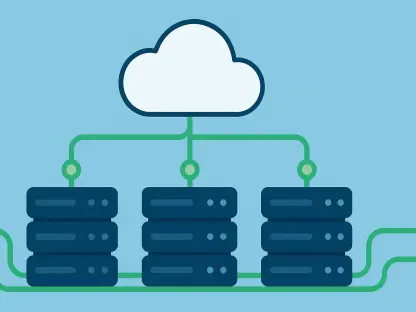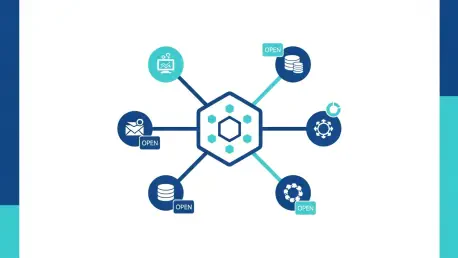

Organizations are currently grappling with an unprecedented level of data dispersion that threatens to turn their most valuable digital assets into inaccessible liabilities buried within fragmented cloud silos. This reality necessitates a move toward unified analytics to dismantle technology barriers and create a shared foundation for insight.
By prioritizing data sovereignty and open-source foundations, modern architectures allow AI to interact directly with the source. This provides a cohesive view of operations previously obscured by the friction of moving information between environments.
Core Technical Components of Modern Analytics Ecosystems
The Analytics Accelerator: Bridging the Lakehouse Gap
The EDB PG AI Analytics Accelerator serves as a critical bridge within the lakehouse ecosystem. It utilizes open table formats to ensure data remains accessible across the stack without proprietary lock-in.
This approach optimizes query engines to handle high-performance sharing. It effectively closes the distance between raw storage and intelligence by allowing cross-stack data availability.
Warehouse Engines: Managing Batch and OLAP Workloads
For traditional reporting, the platform employs eventual consistency models. This design allows for robust batch processing without destabilizing primary transactional systems during heavy use.
Enterprises maintain stability during analytical demand, ensuring reports are generated without performance degradation. This balance is vital for maintaining reliable business operations.
High-Volume Telemetry: Integration for Real-Time Reporting
Specialized engines like ClickHouse facilitate sub-second reporting for massive telemetry streams. This synergy allows high-volume web analytics to be processed alongside transactional data.
Businesses gain real-time insights into user behavior without compromising core speed. The technical integration ensures that transactional performance remains a top priority.
Industry Trends: The Evolution Toward Continuous Intelligence
Convergence of transactional and analytical workloads represents a fundamental market shift. Research suggests many enterprise platforms will merge these functions by 2029 to support autonomous AI agents.
This transition to continuous intelligence is essential for implementing agentic AI effectively. Moving away from static reporting allows for more dynamic, data-driven strategies.
Real-World Applications: Deploying Intelligence at Scale
In the agentic enterprise, unified analytics powers decision-making by placing AI where the data lives. This is vital for sectors requiring strict sovereignty and local control.
It eliminates latency from traditional ETL processes while gaining immediate insights. Maintaining control over sensitive information remains a key competitive advantage.
Technical Hurdles: Addressing Complexity and Consistency
Maintaining consistent metrics across distributed environments remains a significant challenge. Integrating open-source components with legacy systems often causes technical friction.
Navigating the regulatory landscape requires sophisticated governance to protect sovereignty. These obstacles must be addressed to prevent data consistency issues in converged environments.
Future Outlook: The Trajectory of Converged Platforms
The EDB Postgres AI ecosystem points toward automated governance and faster processing. As platforms mature, data roles will likely merge into strategic oversight positions.
The market will favor sovereign solutions that prioritize transparency and efficiency. Long-term impacts suggest a total transition toward open-source AI solutions.
Strategic Assessment: Reframing the Analytics Landscape
The shift to intelligence-driven platforms provided a necessary boost to enterprise agility. Organizations that adopted these models successfully mitigated data latency risks.
Future efforts focused on refining autonomous AI agents within secure boundaries. This approach ensured that enterprises could fully capitalize on converged data ecosystems.