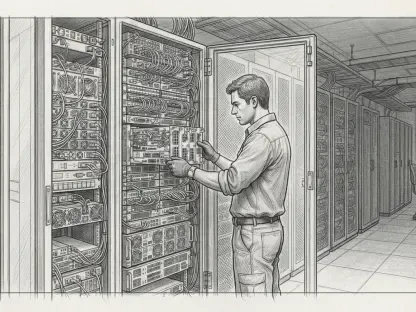

Traditional data architectures that once relied on scheduled batch updates are rapidly being replaced by dynamic systems capable of ingesting and analyzing information the moment it is generated across global networks. This evolution represents a fundamental shift in how digital enterprises

The transition from internal combustion engines to electric power within the modern logistics sector has reached a critical juncture where the raw capacity of battery cells no longer dictates operational success as much as the intelligent software governing their discharge and thermal regulation

The relentless acceleration of generative artificial intelligence has forced a dramatic confrontation between the pursuit of competitive advantage and the absolute necessity of maintaining corporate data sovereignty. While global tech giants can often afford the specialized infrastructure required

Business intelligence platforms have evolved from optional reporting tools into the central nervous system of modern enterprise decision-making, where every data point influences multi-million dollar strategy shifts. While organizations invest heavily in Microsoft Power BI to visualize complex

The rapid migration of critical governmental infrastructure to distributed computing environments has reached a point where the speed of deployment frequently outpaces the development of robust defensive measures. This shift involves more than just administrative convenience; it encompasses the

ThehistoricaltransitionfromisolatedmainframesliketheIBMSystem/360totheinterconnectedworldoftheARPANETservesasaprofoundblueprintforthecurrentstateofartificialintelligencedevelopment. In the middle of the twentieth century, these massive computing islands were restricted by their own architectures,