
Predictive monitoring and artificial intelligence are being integrated into data platforms to identify cyberattack precursors before any data is compromised. As the global economy undergoes a rapid digital transformation, Rubrik has emerged as a cornerstone for organizations navigating the complexities of cloud data management. Operating at the vital intersection of cybersecurity and cloud computing, the company provides a unified platform designed to protect information across on-premises servers, public clouds, and edge networks. This focus on digital resilience ensures that enterprises can maintain core functions and protect intellectual property despite technical failures or sophisticated external threats. The current market landscape, reflected in the movements of the NYSE Composite Index, highlights the growing importance of high-growth cybersecurity firms. For institutional investors, Rubrik represents more than just a niche tech provider; it is seen as a foundational element of modern infrastructure.
Advancing from Simple Backups to Unified Data Management
The modern enterprise has moved past the era where data backups were viewed merely as a last resort insurance policy. Today, Rubrik leads a shift toward comprehensive data management, offering a singular platform that integrates backup, disaster recovery, and compliance. By consolidating these disparate functions into a unified architecture, organizations can significantly reduce operational complexity. This streamlined approach also limits the attack surface available to cybercriminals, making it harder for threats to penetrate the system through overlooked vulnerabilities in secondary storage. Traditional fragmented systems often created security gaps that modern threat actors were quick to exploit, but the move toward a centralized control plane provides a more robust defense. This architectural shift allows IT departments to reallocate resources from manual maintenance to strategic growth initiatives, ensuring that the technology stack serves as an accelerator rather than a burden.
In a business environment where downtime can result in millions of dollars in losses per hour, automated resilience has become a competitive necessity. Rubrik’s platform utilizes sophisticated automation to handle recovery workflows, detecting irregularities and initiating restoration protocols with minimal human intervention. This capability ensures that digital services remain continuous and reliable, allowing businesses to recover from crises at a speed that traditional manual processes simply cannot match. For instance, the ability to instantly mount a virtual machine from a backup point drastically reduces Recovery Time Objectives (RTOs). This proactive stance on restoration means that organizations are no longer paralyzed by the fear of accidental deletions or system failures. Instead, they operate with the confidence that their data environment is self-healing, capable of identifying and correcting discrepancies in real-time without requiring a dedicated task force for every minor incident.
Navigating the Hybrid Cloud: Addressing Ransomware Threats
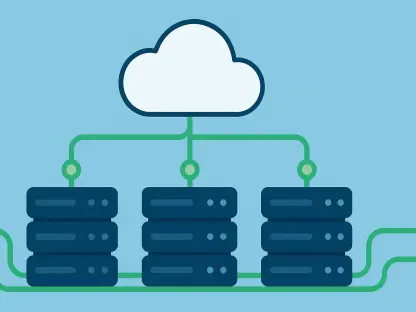
Most modern organizations rely on a complex hybrid cloud model, spreading sensitive data across private infrastructure and various public providers like Amazon Web Services or Microsoft Azure. Rubrik is specifically engineered to provide consistent protection across these distributed environments, ensuring that data remains portable and secure regardless of its physical or virtual location. This consistency is vital for maintaining strict governance standards and ensuring that a distributed workforce can operate securely in a perimeter-less environment. As data moves between different cloud silos, the risk of misconfiguration increases, yet the centralized management approach mitigates these dangers by applying uniform policies across the entire landscape. This creates a seamless fabric of security that follows the data wherever it resides, allowing enterprises to scale their cloud consumption without the typical security overhead that accompanied such growth in previous tech cycles.
The rise of sophisticated ransomware has forced a fundamental change in how security is handled, as attackers now frequently target backup files to leave victims with no choice but to pay. Rubrik addresses this by emphasizing immutable backups—data that cannot be altered, encrypted, or deleted for a specific period once it is written to the platform. This ensures that even if primary systems are compromised, an uncorrupted version of the data remains available for restoration, effectively neutralizing the leverage of cyber extortionists. Furthermore, the integration of behavioral analytics allows the system to recognize the distinctive patterns of a ransomware encryption event as it begins. By isolating affected segments immediately, the platform prevents the lateral spread of malware, turning a potentially catastrophic event into a manageable recovery task. This shift from reactive patching to structural immutability represents the new standard in safeguarding organizational integrity.
Market Sentiment: Long-Term Data Governance
Beyond immediate threat mitigation, Rubrik plays a critical role in long-term data governance and regulatory compliance for global enterprises. With frameworks like the General Data Protection Regulation and the California Consumer Privacy Act requiring meticulous record-keeping, businesses must maintain secure, frozen archives that remain accessible for legal audits. Rubrik’s systems facilitate this by allowing for secure archiving while ensuring that the data is ready for legitimate operational reviews or compliance checks when needed. The platform’s ability to search through massive datasets for specific PII (Personally Identifiable Information) ensures that companies can respond to data subject access requests with precision and speed. This capability reduces the legal risks associated with data sprawl, where sensitive information is often forgotten in dark storage. By providing a clear window into the entire data estate, the platform turns compliance from a burden into a governed asset.
The visibility of Rubrik on the New York Stock Exchange reflects broader trends in institutional portfolio adjustments throughout the current market cycle. Large asset managers are increasingly shifting capital toward foundational digital security providers, recognizing that data protection is now a non-discretionary utility. While stock fluctuations may occur due to general market volatility, the underlying value of the company remains tied to its indispensable role in the modern economy. As sectors ranging from healthcare to precision manufacturing become more data-reliant from 2026 to 2028, the demand for robust protection platforms is expected to remain a primary driving force in the technology sector. Investors are no longer looking for speculative growth alone; they are prioritizing companies that provide the essential infrastructure necessary for the survival of the digital enterprise. This focus on long-term stability positions data resilience as a cornerstone of the broader financial market.
The Convergence: IT Operations and Proactive Security
A maturing tech sector is currently witnessing the blurring of lines between IT operations and proactive security strategies. Data management platforms are now central to both keeping the lights on and locking the doors, serving a dual purpose in the organizational hierarchy. This convergence means that the team responsible for storage is now also a front-line defender in the cybersecurity stack. As the industry moves forward, the integration of advanced analytics is shifting the focus from simple detection to predictive monitoring. This approach identifies the precursors of an attack—such as unusual file access patterns or mass deletions—well before the payload is delivered. This alignment of operational efficiency and security posture creates a more agile business environment, where infrastructure is designed with a security-first mindset. The result is a unified front that can withstand the increasingly complex demands of a globalized economy that never sleeps and always generates data.
In this increasingly distributed world, the traditional network perimeter effectively disappeared, requiring security to reside at the data level itself. This data-centric security model became the consensus viewpoint for the next phase of digital growth, proving that the ability to safeguard information was synonymous with safeguarding business value. To move forward, it was recommended that organizations prioritize the implementation of zero-trust architectures that treated every data access request as a potential threat. Leaders focused on auditing their current recovery speeds to ensure they aligned with the real-time demands of the 2026-2028 business landscape. The integration of cyber-resilience into core business strategy was not merely a technical upgrade but a vital evolution in corporate governance. Enterprises that successfully adopted these unified platforms found themselves better positioned to pivot during disruptions, turning their data resilience into a tangible advantage.