
The modern digital landscape operates on a fragile architecture where a single line of unverified code buried within a tenth-tier dependency can compromise the structural integrity of global enterprise systems, making deep-stack visibility a mandatory requirement for survival in 2026. In the

The rapid adoption of generative AI tools has fundamentally altered how engineers write code, yet a major security breach involving Z.ai's ZCode utility has served as a stark reminder that convenience often comes at the cost of absolute data sovereignty. This incident, which involved the
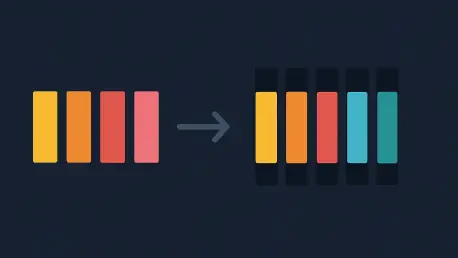
The Level 1 calibration layer utilizes temperature scaling on small labeled datasets to ensure that reported probability scores reflect actual accuracy rates. While this sounds like a niche technical detail, it actually solves one of the most frustrating problems in modern AI: the fact that Large

Verification of privacy claims for tools like AI software becomes straightforward when users can monitor exactly where their data is being sent geographically. This capability has become increasingly vital as modern software architectures grow more complex and opaque, often hiding telemetry behind

Developers can now utilize an open-source abstraction layer that sits atop the existing Strands SDK to streamline the development and deployment of autonomous systems. This move by Amazon Web Services represents a pivotal shift in how engineering teams approach the lifecycle of intelligent agents.

Innovative software like Voiceitt enables users with cerebral palsy to control smart home environments and participate in digital meetings by translating atypical speech into clear audio. This technological evolution marks a definitive departure from the era of static assistive devices, which often