

The retail landscape has entered a period of intense pressure where businesses must prioritize volume growth through productivity gains rather than relying on standard price adjustments. Current analysis from major data platforms indicates a fundamental shift toward like-for-like volume growth,
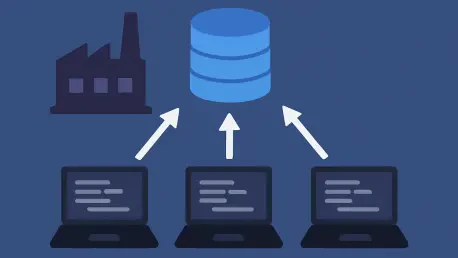
Designing a high-performance management dashboard often feels like a race against the clock where every millisecond spent waiting for sequential database queries translates into a direct loss of user engagement and system efficiency. In the modern landscape of software development, users expect

The disconnect between raw computational power and specific business logic remains the most significant hurdle preventing corporations from achieving a genuine return on their massive artificial intelligence investments. The transition from generic Large Language Models to specialized,

The historical reliance on static dashboards and descriptive reporting is rapidly giving way to a new era where business intelligence platforms function as proactive advisors rather than passive data repositories. The AI-native business intelligence represents a significant advancement in the data

The rapid transition from centralized cloud storage toward distributed autonomous reasoning systems represents the most significant pivot in corporate technology strategy since the initial migration to the cloud began over a decade ago. While the previous decade focused on the consolidation of data

Modern enterprises frequently find themselves navigating a paradox where vast oceans of data are collected but only a trickle reaches the individuals who manage day-to-day operations. While leadership teams utilize sophisticated business intelligence suites to chart long-term strategies, the