
Google’s 22-year commitment to Finnish nuclear power represents one of the longest energy procurement contracts ever signed by a major technology corporation for AI. This massive fifteen-billion-dollar investment, targeted for full implementation across 2027 and 2028, addresses the critical

Maintaining absolute sovereignty over private data requires a mechanism that can decide in an instant whether information should be allowed to leave the corporate network. Kiteworks, a leader in secure private data exchange, has officially finalized its acquisition of Bonfy.AI to address this

Proprietary software licenses once dominated the cryptographic landscape, but the practice of security through obscurity is now considered inferior to the global peer review enabled by open source code. In a landscape where digital assets are the lifeblood of modern enterprise, the vulnerability of
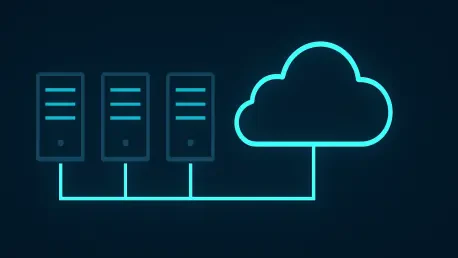
Relying solely on external API consumption creates a precarious dependency on single-vendor pricing models and limits an organization's ability to manage the long-term economics of AI usage. The recent alliance between Cloudera and Mistral AI addresses this vulnerability by offering a robust

Organizations are increasingly pressured to aggressively drive down maintenance costs to fund new growth initiatives like generative artificial intelligence and cybersecurity. This fiscal environment in 2026 demands a radical departure from the legacy mindset where technology spending was viewed as

Global infrastructure now generates approximately 2.5 quintillion bytes of information daily, creating a data-to-insight latency that renders much of it obsolete before it can be used. This unprecedented scale of production has fundamentally shifted the technological landscape from one focused on