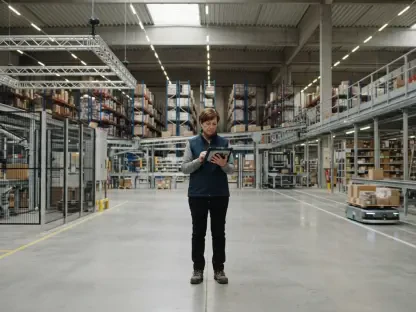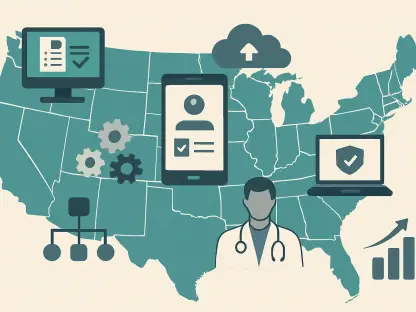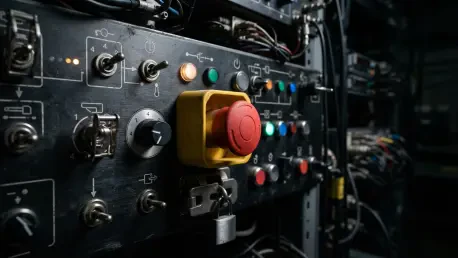
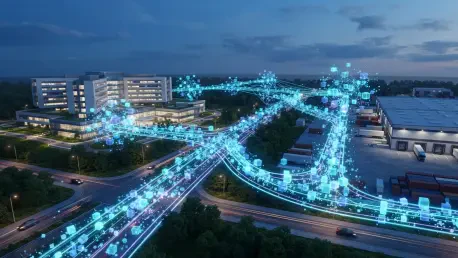
The GS1 Global Data Synchronisation Network acts as the world's largest product data network, enabling medical facilities to maintain accurate inventory records without manual entry errors. In the current healthcare landscape of 2026, the reliance on manual data management has become an obsolete
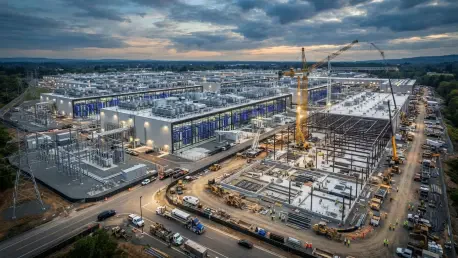
Google’s eighth-generation Tensor Processing Units, specifically the TPU 8t and 8i, are now being offered to third-party providers like Oracle to generate new revenue streams. This development signals a profound shift in how hyperscalers view their internal infrastructure, evolving from proprietary
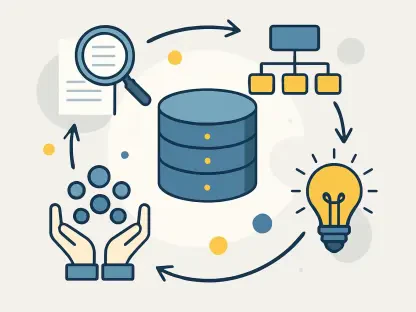
A single observability stack and billing model can now support both traditional ETL and operational low-latency streaming workloads. In the current landscape of 2026, the demand for instantaneous data processing has moved from a competitive advantage to a fundamental requirement for modern digital
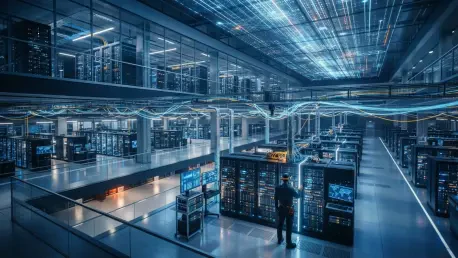
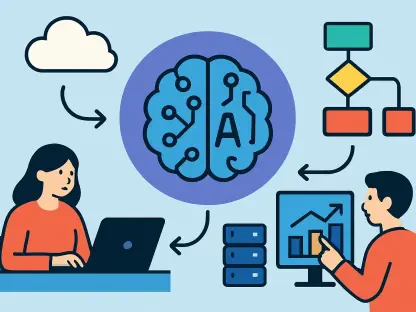
The structural bridge between raw enterprise data lakes and autonomous AI agents has historically been a fragile patchwork of outdated spreadsheets and disconnected documentation. As organizations in 2026 strive for reliable automation, the DataHub Cloud Context emerges as a vital framework for
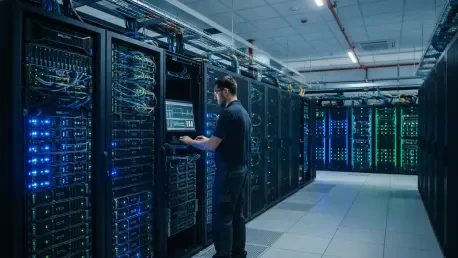
By prioritizing cost certainty and long-term amortization, finance teams are recognizing that owning storage assets is a vital component of a sustainable digital strategy. For nearly a decade, the "cloud-first" mandate dominated enterprise IT, driven by the promise of infinite scalability and the
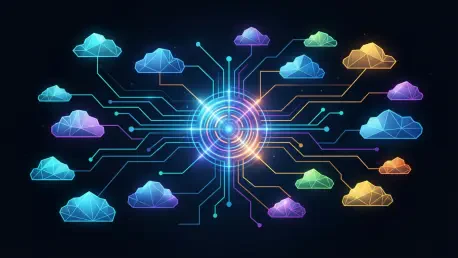
The architectural complexity of the modern enterprise has finally reached a point where manual intervention is no longer a viable strategy for maintaining system stability and security across fragmented hybrid cloud environments. Engineers have spent years trapped in a cycle of reactive patching