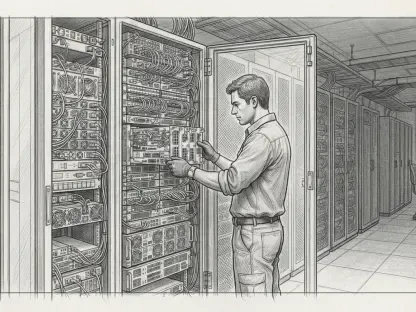

Traditional data architectures that once relied on scheduled batch updates are rapidly being replaced by dynamic systems capable of ingesting and analyzing information the moment it is generated across global networks. This evolution represents a fundamental shift in how digital enterprises

The global aviation sector currently navigates a complex financial landscape where the margin for error in asset management has reached an all-time low due to rising operational costs. While traditional lease agreements historically relied on fixed maintenance schedules, the integration of

The average modern consumer walking through the aisles of a supermarket rarely considers the intricate web of international logistics that enables the presence of fresh produce from multiple continents on a single shelf at any given time. This extreme globalization of the food supply chain has

ThehistoricaltransitionfromisolatedmainframesliketheIBMSystem/360totheinterconnectedworldoftheARPANETservesasaprofoundblueprintforthecurrentstateofartificialintelligencedevelopment. In the middle of the twentieth century, these massive computing islands were restricted by their own architectures,

The rapid proliferation of large language models and retrieval-augmented generation systems has created an unprecedented surge in telemetry data that threatens to overwhelm traditional cloud infrastructure budgets. As organizations integrate complex AI agents into their core business workflows, the

The shift from traditional software architectures to generative artificial intelligence has turned minor coding inefficiencies into massive financial and environmental liabilities for the modern enterprise. In the previous decade, a redundant database call might have caused a split-second delay;