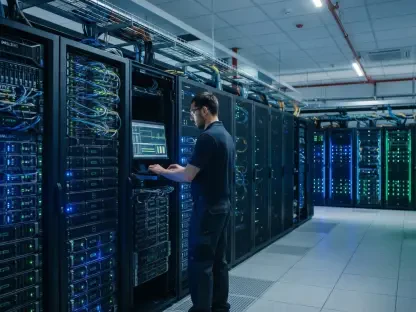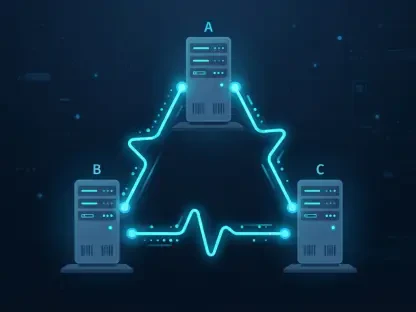

Interactive debugging of workspace notebooks from a local machine is now possible through a high-speed bridge to dedicated compute clusters. This transformation addresses the long-standing friction between high-powered cloud computing and the personalized, feature-rich environments of local

The organizational transition from software that merely suggests outputs to autonomous agents that independently execute high-stakes outcomes has fundamentally altered the corporate risk landscape. As enterprises pivot from Large Language Models that function as digital assistants toward agentic

Approximately seventy-three percent of data leaders identify poor quality as the primary obstacle preventing the successful adoption of artificial intelligence. This staggering statistic underscores a critical vulnerability within the healthcare sector, where the reliance on fragmented legacy

While the initial cost of downloading open source code is zero, enterprise leaders are increasingly finding that the operational overhead of maintaining these systems can become a significant financial burden. This fundamental realization marks a shift in how modern corporations perceive software

Recent data indicating that over 33% of users utilize artificial intelligence for business operations suggests a significant market shift toward task-oriented computer use agents. This transition has prompted OpenAI to re-evaluate its proprietary boundaries, leading to the decision to open-source
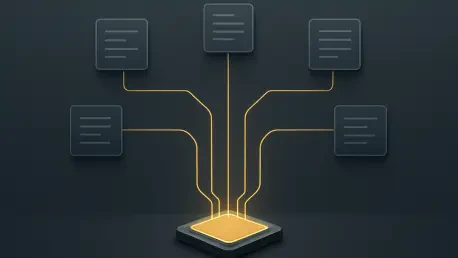
Netflix has pioneered the move to a real-time distributed graph to meet the aggressive latency demands of modern automated data retrieval systems. This strategic shift highlights a broader industry trend where the old ways of managing information are no longer sufficient for the speed of autonomous