
While the initial cost of downloading open source code is zero, enterprise leaders are increasingly finding that the operational overhead of maintaining these systems can become a significant financial burden. This fundamental realization marks a shift in how modern corporations perceive software

Recent data indicating that over 33% of users utilize artificial intelligence for business operations suggests a significant market shift toward task-oriented computer use agents. This transition has prompted OpenAI to re-evaluate its proprietary boundaries, leading to the decision to open-source
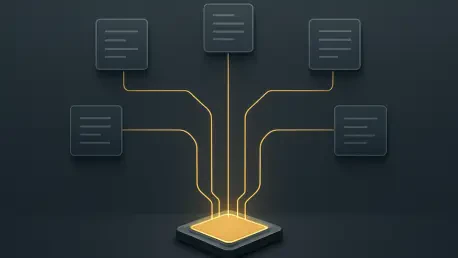
Netflix has pioneered the move to a real-time distributed graph to meet the aggressive latency demands of modern automated data retrieval systems. This strategic shift highlights a broader industry trend where the old ways of managing information are no longer sufficient for the speed of autonomous

True digital sovereignty involves more than just secure infrastructure; it requires granular authority over the entire lifecycle of data from its initial collection to its final disposal. In a landscape where artificial intelligence serves as the primary engine for decision-making and operational

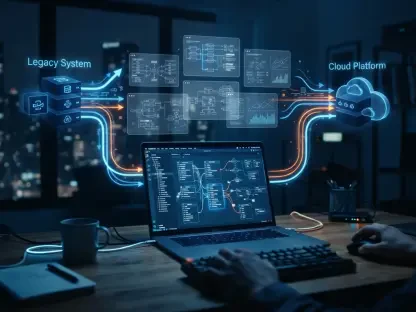
Inefficient data movement, such as scanning entire tables for minor updates, often drives infrastructure costs higher than the actual complexity of the underlying analytical processing. In the current landscape of 2026, many organizations have realized that simply moving data from a legacy

Unlike human analysts who work in shifts, autonomous software agents produce a relentless volume of data requests that require massive database concurrency. As organizations transition from simple chatbots to autonomous agents that execute tasks, the underlying data infrastructure must evolve to