
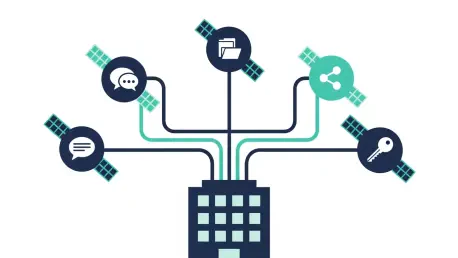
Organizations today face a critical dilemma as centralizing sensitive intellectual property within proprietary messaging platforms often exposes them to unforeseen data breaches and unauthorized third-party surveillance. As corporate espionage and sophisticated cyberattacks become more frequent in

Contextualizing AI Agent Security: From Monitoring to Verification The rapid transition from experimental AI chatbots to fully autonomous digital workers has introduced a security landscape where traditional safeguards often fall short of protecting enterprise integrity. As organizations grant AI

The transition from simple cloud lockers to autonomous data ecosystems has fundamentally altered how individuals and corporations perceive their digital footprint in the current technological climate. No longer is the conversation centered solely on the price per terabyte; instead, the industry has

The rapid integration of autonomous artificial intelligence into cloud infrastructure management has created a paradoxical situation where the speed of innovation frequently outpaces the ability of security teams to maintain oversight. As organizations struggle to monitor sprawling multi-cloud

The breakneck speed at which frontier artificial intelligence models are currently evolving has fundamentally shattered the predictable cadence of traditional enterprise software management. This rapid innovation, while driving unprecedented gains in productivity, introduces a volatile lifecycle

The rapid escalation of cyber-physical attacks against municipal water systems and local electrical cooperatives has created a sense of urgency within the halls of the federal government that has rarely been seen since the inception of the National Cyber Strategy. In response to this mounting