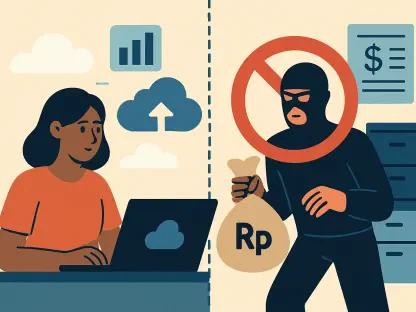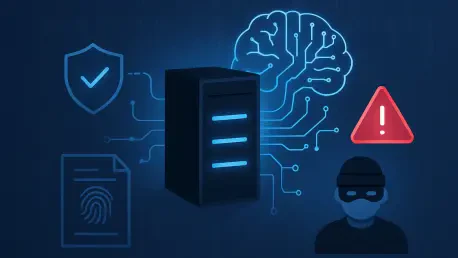

The organizational transition from software that merely suggests outputs to autonomous agents that independently execute high-stakes outcomes has fundamentally altered the corporate risk landscape. As enterprises pivot from Large Language Models that function as digital assistants toward agentic

Traditional human resources dashboards often hit a data wall when managers ask complex, cross-dimensional questions that require combining disparate data points like leave balances and mission travel. For years, the standard approach to workforce analytics involved static charts and pre-aggregated

While the initial cost of downloading open source code is zero, enterprise leaders are increasingly finding that the operational overhead of maintaining these systems can become a significant financial burden. This fundamental realization marks a shift in how modern corporations perceive software

Sophisticated bad actors use wash trading and self-referential swaps to create false liquidity signals that deceive retail investors. This reality has forced a rapid evolution in how decentralized ledgers are monitored and protected. In 2026, the sheer volume of data generated by high-throughput

Recent data indicating that over 33% of users utilize artificial intelligence for business operations suggests a significant market shift toward task-oriented computer use agents. This transition has prompted OpenAI to re-evaluate its proprietary boundaries, leading to the decision to open-source

True digital sovereignty involves more than just secure infrastructure; it requires granular authority over the entire lifecycle of data from its initial collection to its final disposal. In a landscape where artificial intelligence serves as the primary engine for decision-making and operational