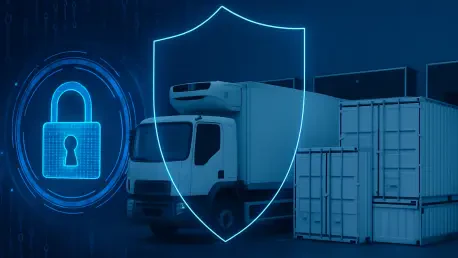

The silent operation of industrial refrigeration systems represents a critical yet overlooked vulnerability in the digital architecture that sustains modern healthcare and global food distribution networks. While much of the international focus remains on data breaches involving personal identities or financial records, a more physical danger is emerging through the exploitation of operational technology. This shift in the threat landscape demonstrates that internet-connected hardware can be weaponized to cause tangible damage to biological materials and essential supplies.
This article explores the rising prevalence of thermostat-based cyberattacks and evaluates how prepared the global infrastructure is to withstand such targeted disruptions. By examining specific instances of equipment failure and unauthorized access, readers will gain an understanding of the technical flaws inherent in modern cooling systems. Furthermore, the discussion provides a detailed look at the defensive measures and standardized protocols that security experts recommend to safeguard these vital environmental controls.
Key Questions or Key Topics Section
How Did a Recent Breach at the French Blood Establishment Expose Systemic Weaknesses?
The French Blood Establishment recently faced a sophisticated intrusion that bypassed traditional security perimeters by targeting a third-party refrigeration equipment supplier. This unauthorized access allowed hackers to infiltrate the digital management systems at three major storage sites, where they successfully manipulated the temperature controls of blood plasma units. By raising defrosting thresholds to extreme levels, the attackers attempted to compromise the integrity of biological materials intended for life-saving transfusions and medications.
Fortunately, the internal monitoring protocols of the agency functioned exactly as intended, triggering real-time alarms that alerted human operators to the temperature anomalies. Because the staff maintained robust oversight and had established emergency procedures, they were able to transfer the inventory to alternative facilities before any permanent damage occurred. However, the incident serves as a stark warning that even high-security agencies remain vulnerable when their environmental maintenance depends on external vendors with insufficient cybersecurity barriers.
Why Are Industrial Controllers Like Danfoss and Copeland Becoming Primary Targets?
Technical investigations conducted by national cybersecurity agencies have identified significant flaws in specific hardware, including the Danfoss AK-SM and AK-SC series and certain Copeland devices. These industrial controllers are often integrated into the public internet to allow for remote monitoring, but they frequently contain vulnerabilities that enable remote code execution. This allows malicious actors to bypass standard authentication processes and gain direct control over thermal settings, essentially turning a maintenance tool into a weapon for physical sabotage.
The persistence of these vulnerabilities is often a result of the long lifecycles of industrial equipment compared to traditional office hardware, which often receives more frequent updates. Moreover, many facility managers may not even realize that their cooling controllers are visible to the public internet, creating a vast and unmapped attack surface for hackers. Addressing these gaps requires a fundamental shift toward more aggressive firmware management and the systematic removal of sensitive controllers from public-facing connections to prevent unauthorized manipulation.
What Are the Broader Economic and Safety Implications of These Thermostat-Based Attacks?
Beyond medical facilities, the trend of targeting cooling systems has expanded into the retail and military sectors, affecting hundreds of supermarkets across Europe. By triggering superheated defrost cycles, hackers have caused the loss of millions of dollars in produce and dairy products, directly impacting the profitability of businesses and local food security. Similar outages investigated at military base commissaries suggest that these tactics are being tested against a variety of critical logistics hubs to identify systemic dependencies.
These disruptions highlight a shift in cyber strategy from simple data theft toward the infliction of physical and financial damage on a massive scale. When the integrity of the cold chain is compromised, the resulting economic cost and potential for public health crises can far exceed the damage caused by typical software-based ransomware. Security officials now agree that the digitization of essential logistics has introduced a level of systemic risk that requires immediate and coordinated international intervention to protect the public.
How Can Organizations Effectively Secure Their Environmental Control Systems Against Remote Manipulation?
Federal authorities have responded to these escalating threats by issuing standardized security measures aimed at hardening industrial and facility management systems. Implementing phishing-resistant multi-factor authentication is a primary recommendation, as it prevents hackers from using stolen or default factory credentials to gain access to sensitive controllers. Additionally, isolating these industrial systems on dedicated virtual local area networks ensures that a breach in one part of the organization does not allow for lateral movement.
Organizations must also prioritize the retirement of legacy equipment that no longer receives security support or firmware updates from the original manufacturers. By treating refrigeration and environmental controls with the same level of rigor as financial databases or patient records, the industry can significantly mitigate the risk of catastrophic inventory loss. Robust firewalls and the elimination of default passwords represent the first line of defense in a comprehensive strategy designed to protect public health and maintain economic stability.
Summary or Recap
The safety of the global cold chain is currently threatened by vulnerabilities in internet-connected operational technology and the clever exploitation of third-party supply chain partners. Recent incidents in the medical and retail sectors have proven that thermostat-based attacks are a viable method for causing significant physical harm and massive financial loss. Ensuring the resilience of these systems requires a combination of modern authentication, network segmentation, and proactive equipment management to defend against increasingly sophisticated actors.
Effective defense against these threats involves a multi-layered approach where technology and human oversight work in tandem to detect anomalies. The coordination between international security agencies and private industry is essential for monitoring new vulnerabilities and distributing patches across the global infrastructure. By prioritizing the security of environmental controls, organizations can prevent the spoilage of life-saving medications and maintain the stability of the global food supply.
Conclusion or Final Thoughts
Security professionals moved to implement more rigorous standards after realizing that environmental controls were no longer isolated from the broader digital battlefield. The collaborative efforts between international agencies and private industrial sectors fostered a new culture of vigilance that prioritized the physical integrity of the cold chain. This shift encouraged a long-term commitment to securing the vital infrastructure that protects the food and medicine people rely on every day.
The lessons learned from recent breaches prompted facility managers to view their cooling systems as critical nodes in the national security framework. As the industry adapted, the implementation of more robust network protocols and the replacement of outdated hardware became the standard for responsible infrastructure management. These actions ensured that the biological and nutritional resources of the global population remained shielded from the growing reach of remote cyberattacks.