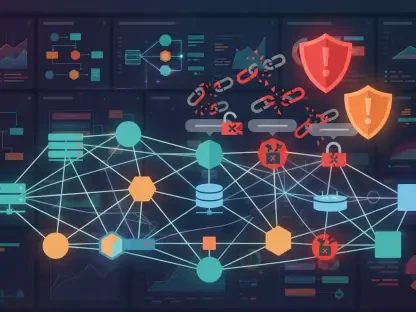

Confidential computing transforms the cloud service model into a digital safe deposit box where the provider lacks the key to access the individual contents. This evolution represents a fundamental shift in how digital sovereignty is perceived and enforced within large-scale distributed systems.

Deployment teams are now working to operationalize AI use cases by grounding models in an organization’s existing unstructured data through a milestone-based approach. In the current landscape of 2026, the initial fascination with generative models has transitioned into a rigorous demand for

By meeting the strict requirements of the Common Criteria Recognition Arrangement, the VSP One Block platform helps organizations streamline complex vendor assessment processes. In 2026, the volume of sensitive data processed by hybrid cloud systems has reached unprecedented levels, necessitating a

The precise second a sophisticated vulnerability is announced to the world, a relentless clock begins ticking for security teams who must outrun automated exploitation scripts before the entire infrastructure crumbles. In the high-stakes environment of 2026, the traditional belief that speed is the

Every second, thousands of newly manufactured digital devices connect to the internet, creating a sprawling, invisible web of vulnerabilities that hackers are increasingly eager to exploit for profit and chaos. For decades, the technology industry operated under a philosophy of speed over safety,

The traditional fortress of centralized information technology is rapidly crumbling as artificial intelligence transitions from a specialized technical expense into the primary engine of organizational growth and competitive differentiation. This evolution marks a departure from the days when the