More than two billion people globally remain underserved by traditional banking systems, yet mobile phone penetration in these same regions has reached nearly universal levels. This massive disconnect between financial inclusion and digital accessibility has paved the way for a transformative shift

Chloe Maraina is a specialist in the architecture of real-time data systems and a passionate advocate for the intersection of data science and business intelligence. With her deep background in building scalable visual stories from massive datasets, she currently focuses on the evolution of

The rapid migration of mission-critical workloads to decentralized cloud environments has fundamentally redefined the concept of the corporate perimeter, turning security from a back-office technicality into the very backbone of global commerce. In the current landscape, organizations are no longer

A silent revolution has quietly redefined the backbone of the global economy as massive organizations move away from fragmented monitoring toward a centralized, reflexive digital intelligence. By the beginning of 2026, the technology landscape has reached a critical juncture where the ability to
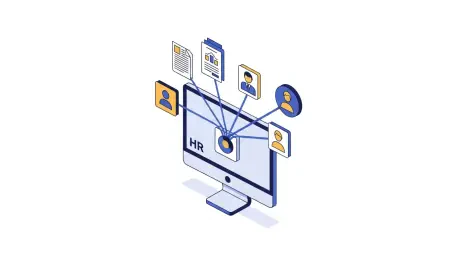
The modern workplace has undergone a radical transformation where the reliance on fragmented spreadsheets and overflowing filing cabinets represents a significant risk to organizational agility and data security. Organizations that continue to depend on manual entry for employee records often find

The traditional image of a corporate database as a silent, digital filing cabinet is rapidly dissolving into the past as Oracle introduces a suite of applications that do not just store information but actively think and act upon it. This shift represents a departure from the "system of record"
1 2 3 4 5 6 7 8 9 10 11 12 13 14 15 16 17 18 19 20 21 22 23 24 25 26 27 28 29 30 31 32 33 34 35 36 37 38 39 40 41 42 43 44 45 46 47 48 49 50 51 52 53 54 55 56 57 58 59 60 61 62 63 64 65 66 67 68 69 70 71 72 73 74 75 76 77 78 79 80 81 82 83