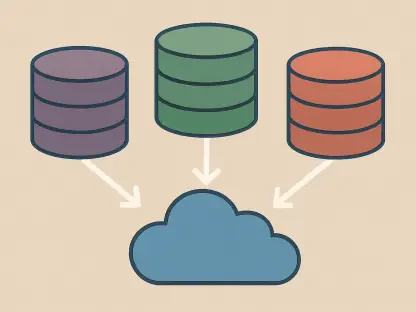

The persistent frustration of manual data mapping, where highly skilled engineers spend countless hours squinting at cryptic spreadsheets to reconcile source fields like "cust_id" with target identifiers like "client_code," has finally hit a breaking point in the high-velocity data landscapes of

The era of manual research and post-game analysis has been replaced by authorized, high-frequency pipelines that distribute match events in mere milliseconds. This fundamental shift has transitioned the competitive landscape into a sophisticated, data-driven ecosystem where information is as vital

Advanced methodologies for identifying disease progression utilize five computational modules to move public health responses from reactive to proactive. In 2026, the synergy between computational engineering and biological sciences has evolved from a niche specialty into a fundamental pillar of

Effective human-AI teams develop through the gradual adaptation of interaction styles and the bridging of different information-processing methodologies. While many organizations initially deployed generative models as standalone solutions for maximizing efficiency, the reality of high-stakes

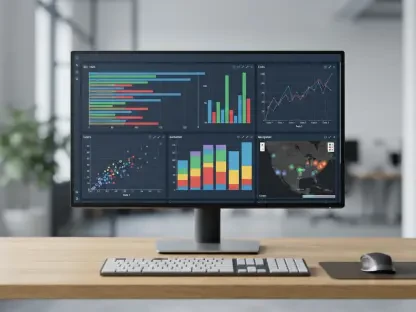
The shift toward collaborative machine learning allows technical and non-technical stakeholders to work within the same environment to manage model lifecycles. This fundamental transition has moved predictive analytics from a niche experimental phase into the backbone of global corporate strategy,

Manual scripting and the creation of brittle, easily broken parsers are being replaced by an autonomous system that validates and enriches data during transit. This transition marks a fundamental shift in how modern enterprises manage the overwhelming influx of security telemetry generated across