
The landscape of European intelligence gathering has shifted dramatically as Germany officially prioritizes regional technological partnerships over established American software giants. Germany’s domestic intelligence agency, the Federal Office for the Protection of the Constitution, recently confirmed the selection of the French firm ChapsVision to manage its massive data analysis requirements. This decision bypasses Palantir, a company that has long dominated the Western security market but has faced increasing scrutiny regarding data privacy and foreign influence. By integrating the ArgonOS platform, German authorities intend to synthesize vast quantities of information derived from internal records, open-source intelligence, and the deep layers of the darknet. This technical transition is designed to create a unified operational picture, allowing investigators to identify complex patterns of extremism or espionage that might otherwise remain hidden within fragmented datasets.
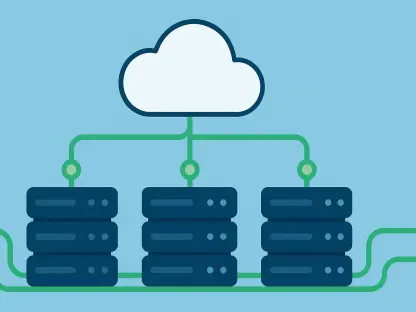
This strategic pivot is rooted in a desire for absolute control over the infrastructure that handles the nation’s most sensitive secrets. Unlike previous iterations of surveillance technology, the new system operates within a strictly defined sovereign cloud, which is physically and digitally isolated from any external networks or foreign cloud providers. The move reflects a broader European movement toward digital autonomy, where the ability to audit and control every line of code is considered a prerequisite for national security. By selecting a European partner, Berlin ensures that its data processing remains compliant with local legal standards and is shielded from the extraterritorial reach of foreign legislation, such as the U.S. CLOUD Act. This focus on domestic oversight suggests that the era of relying on turnkey solutions from Silicon Valley for core state functions is reaching a definitive conclusion in the European heartland.
The Drive for Strategic Autonomy in Intelligence
The selection of ChapsVision highlights a deepening rift between European security requirements and the business models of American technology corporations. For years, the shadow of the Edward Snowden revelations and the unauthorized surveillance of high-ranking German officials has influenced the procurement philosophy of the Federal Republic. There is a growing consensus among German policymakers that reliance on private American entities for critical state infrastructure creates a geopolitical vulnerability that can no longer be ignored. Furthermore, the German Constitutional Court has recently imposed rigorous restrictions on the use of automated data analysis by law enforcement, demanding high levels of transparency and human intervention. ChapsVision, having already secured high-stakes contracts with French internal security services, offers a model that aligns more closely with these specific European legal frameworks and the general public’s demand for data protection.
While technical performance remains a priority, the geopolitical implications of this contract are arguably more significant for the future of the European defense industry. France has been particularly aggressive in cultivating national champions like ChapsVision, which has expanded its capabilities through the strategic acquisition of specialized firms such as Deveryware and Sinequa. This consolidation has allowed the company to offer a comprehensive suite of tools that can compete with Palantir’s technical edge while offering the political benefit of being a “local” entity. While nations currently involved in active conflict, such as Ukraine, continue to utilize Palantir for its immediate battlefield advantages, stable Western European powers are taking a longer view. They are choosing to invest in a sovereign ecosystem where political trust is viewed as an essential feature of the software itself, rather than a secondary consideration to processing speed.
Future procurement strategies within the European Union will likely follow this blueprint, emphasizing the development of interconnected yet independent security architectures. Organizations must now look beyond the immediate feature set of a software platform and conduct rigorous assessments of the corporate and national interests behind the code. To maintain this momentum, European tech firms must focus on horizontal integration, ensuring that tools developed for one nation can be adapted for others while maintaining the strict data silos required by national laws. Moving forward, the focus should shift toward building common standards for interoperability between different sovereign clouds. This will allow for the seamless exchange of intelligence between allies without compromising the integrity of individual national databases. Security leaders should prioritize vendors that offer modular, open-architecture systems, which prevent long-term dependency on a single provider and ensure that the state remains the ultimate arbiter of its own information.