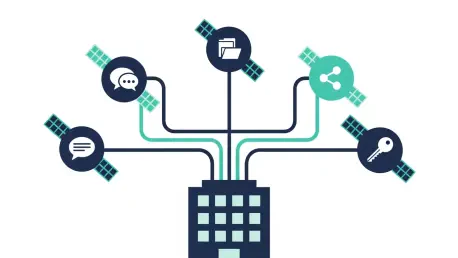
Organizations today face a critical dilemma as centralizing sensitive intellectual property within proprietary messaging platforms often exposes them to unforeseen data breaches and unauthorized third-party surveillance. As corporate espionage and sophisticated cyberattacks become more frequent in
Chloe Maraina is a powerhouse in the world of Business Intelligence, blending a deep technical understanding of data science with a strategic vision for how enterprises manage their digital backbone. Her expertise lies in transforming raw data into visual narratives, and she has closely monitored

Every second, the global digital footprint expands by petabytes, yet nearly eighty percent of enterprise information remains trapped within inaccessible silos or legacy systems that cannot support the computational demands of modern machine learning. This architectural bottleneck forces data

The inherent complexity of modern supply chains demands a level of coordination that traditional siloed management systems can no longer provide in an increasingly volatile global market. As manufacturers and retailers navigate fluctuating consumer demands and unpredictable geopolitical shifts, the

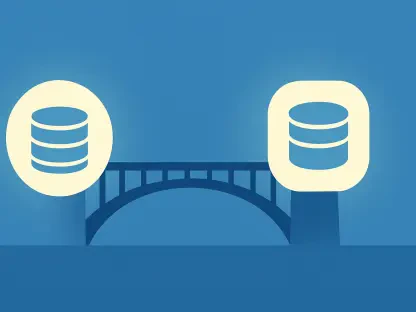
Database administrators often shudder when a project stakeholder suggests that a proposed migration or integration is a simple task involving nothing more than "just data." This dismissive phrasing ignores the reality that modern digital assets represent the culmination of years of institutional

Transitioning to a sophisticated cloud-based Enterprise Resource Planning system represents a pivotal moment that defines whether a modern organization will thrive or merely survive in the increasingly competitive digital landscape of the current decade. While the technical allure of real-time data