
In the competitive landscape of 2026, companies failing to leverage their operational data risk falling behind rivals who use advanced analytics to guide every strategic move. The sheer volume of information generated through digital storefronts, supply chain sensors, and customer engagement platforms has reached a point where manual oversight is no longer feasible. Organizations now face the daunting task of filtering through noise to find the signals that actually impact the bottom line. Data consultation has emerged as the bridge between raw, unstructured information and high-level corporate strategy. By enlisting specialized experts, businesses can transform their internal data architecture from a passive storage cost into a proactive engine for growth. This evolution involves more than just installing new software; it requires a fundamental shift in how leadership perceives the value of every digital interaction. As the marketplace becomes increasingly automated, the winners are those who successfully interpret the nuances of their metrics to refine their competitive edge.
1. The Strategic Role: Professional Architects of Data
Professional data analytics consultants serve as the primary architects for modern business intelligence by assisting companies in gathering, organizing, and interpreting massive datasets. Their role has expanded beyond basic reporting; they now focus on creating a comprehensive roadmap that aligns technical capabilities with overarching commercial goals. These consultants analyze how information flows through an organization to identify gaps where critical knowledge is lost or mismanaged. By providing an external perspective, they help leadership teams move beyond anecdotal evidence and gut feelings, replacing them with a framework rooted in empirical reality. The objective is to establish a system where every decision is supported by a clear trail of evidence. This transition from reactive to proactive management requires a deep understanding of industry-specific challenges and the technical expertise to overcome them. Ultimately, the consultant acts as a catalyst for cultural change, encouraging departments to rely on shared data.
2. Comprehensive Services: Beyond Simple Analytical Reporting
The core services provided by these experts encompass a wide array of technical and strategic disciplines designed to fortify a company’s market position. One of the primary offerings is the development of a tailored data strategy that outlines exactly how information will be used to achieve specific performance milestones. This often involves setting up sophisticated business intelligence tools that offer interactive visualizations and real-time reporting capabilities. Furthermore, consultants implement predictive modeling techniques to forecast market trends and consumer needs before they manifest. On the technical side, they design the underlying data infrastructure, ensuring that cloud-based systems are both scalable and secure. They also focus on performance metrics, creating key performance indicators that truly reflect the health of the organization rather than just surface-level vanity metrics. By integrating these various services, a business can develop a robust analytical ecosystem that supports rapid innovation.
3. Seamless Integration: Creating Centralized Information Pipelines
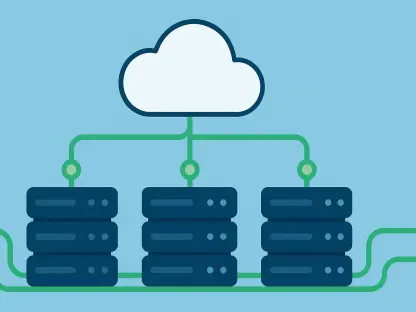
A fundamental component of this growth is the implementation of a seamless Data Pipeline Integration to unify information across the entire enterprise. In the current environment, companies interact with clients through a myriad of platforms, including mobile applications and physical sales points. Without a centralized pipeline, this information remains fragmented, leading to contradictory reports and missed opportunities for cross-channel optimization. Data pipelines automate the complex process of extracting information from various sources, such as CRMs and web analytics tools, and transforming it into a standardized format. This automation eliminates the human error associated with manual entry and ensures that the data being analyzed is both fresh and accurate. By creating a single source of truth, organizations can ensure that every department is working from the same set of facts. This level of synchronization is essential for making swift adjustments to shifts in the digital economy.
4. Data Consistency: Ensuring Real-Time Reliability and Accuracy
The efficiency of these pipelines directly impacts the speed at which a company can respond to market volatility. Modern integration solutions are designed to handle massive throughput while maintaining high levels of data integrity through automated cleaning and validation protocols. When information moves smoothly from raw collection to an analytical warehouse, leaders gain the ability to monitor performance in real time rather than waiting for month-end reports. This immediacy allows for more agile resource allocation, as businesses can identify and address emerging bottlenecks before they impact the customer experience. Moreover, well-designed pipelines support long-term scalability, allowing the infrastructure to handle increasing volumes of information without a corresponding rise in operational costs. This technical foundation is the prerequisite for all advanced analytical endeavors, including machine learning applications. Without a reliable and integrated flow of information, even the most sophisticated algorithms will fail.
5. Behavioral Analysis: Deciphering Complex Patterns in Consumption
Deepening consumer insights is one of the most immediate benefits of professional data consultation, as it allows businesses to decode complex buying habits. In 2026, client expectations are higher than ever, with a strong demand for personalized interactions that reflect their unique preferences and history. Consultants use behavioral analysis to segment audiences with extreme precision, going beyond simple demographics to understand the motivations behind specific actions. By examining engagement patterns across different touchpoints, organizations can identify which features or services are most valued by their user base. This knowledge enables the development of hyper-targeted marketing campaigns that resonate more deeply with potential buyers, leading to higher conversion rates and improved brand loyalty. Understanding the customer journey in such detail also helps in predicting churn, allowing companies to intervene with proactive retention strategies. These insights turn customer data into a strategic asset.
6. Marketing Optimization: Driving Efficiency and Higher Return
Improving marketing results is a direct consequence of this analytical depth, as teams can accurately track the return on investment for every dollar spent. Integrated data systems allow marketers to see exactly which lead generation tactics are performing well and which ones need to be refined or abandoned. By analyzing the correlation between marketing spend and actual customer acquisition costs, businesses can optimize their budgets for maximum impact. Consultants provide the tools to visualize these relationships, making it easier for stakeholders to see the direct link between analytical insights and financial performance. Furthermore, this data-driven approach encourages a culture of experimentation, where marketing teams can test new ideas on a small scale and use hard data to decide whether to roll them out across the entire organization. The result is a more efficient and effective marketing department that contributes directly to the company’s bottom line by removing the guesswork from promotional strategy.
7. Operational Excellence: Streamlining Workflows and Reducing Waste
Optimizing internal workflows through data analytics is a powerful way to enhance productivity and lower operational costs. Data experts specialize in pinpointing specific bottlenecks within supply chains and internal project management systems that might otherwise go unnoticed. By analyzing the flow of resources and the time taken for various tasks, consultants can recommend precise adjustments that streamline operations and eliminate waste. This often involves the use of process mining tools that provide a visual map of how work actually gets done versus how it was designed to happen. Identifying these discrepancies allows management to reallocate resources to the areas where they are needed most, ensuring that the entire organization operates at peak efficiency. Such improvements do more than just save money; they also improve employee morale by removing frustrating hurdles and allowing staff to focus on higher-value tasks. In a competitive landscape, the ability to operate with lean processes provides a significant edge.
8. Scalable Infrastructure: Building Foundations for Future Growth
Constructing a growth-ready infrastructure is a vital part of this operational transformation, ensuring that the technical systems can keep pace with business expansion. Data consultants design cloud-based architectures that are specifically tailored to the unique needs of the organization, focusing on both current requirements and future scalability. These systems are built to handle the increasing volume, velocity, and variety of information that defines the modern digital economy. By implementing automated monitoring and maintenance protocols, experts help reduce the burden on internal IT teams, allowing them to focus on more strategic initiatives. This robust infrastructure also facilitates cross-departmental cooperation by breaking down the information silos that often hinder large organizations. When every team has access to the same integrated platforms, they can align their goals and collaborate more effectively on complex projects. This unified approach ensures that the entire business is moving in the same direction.
9. Forward-Looking Analytics: Managing Risks and Market Volatility
The transition toward utilizing forward-looking analytics represented a significant shift from traditional business practices that relied primarily on historical performance. Consultants implemented sophisticated predictive models that used existing data to project trends, such as shifts in product demand or changes in consumer sentiment. This foresight allowed leadership to make strategic decisions well in advance, whether it involved adjusting inventory levels or entering new markets. By anticipating market movements, the company positioned itself as a leader rather than a follower, capturing opportunities before they became obvious to the competition. These models were continuously refined as new information became available, ensuring that the forecasts remained accurate and relevant. The ability to see around the corner provided a level of security and confidence that was invaluable in a rapidly changing environment. Organizations that embraced this predictive mindset were better equipped to navigate uncertainty and maintain steady growth regardless of external conditions.
10. Strategic Implementation: Evaluating Growth and Partner Success
The implementation of these strategies was completed by establishing specific business goals that outlined exactly what the organization hoped to achieve. Dependable systems were set up for gathering information from every relevant touchpoint, ensuring that no critical insights were lost in the shuffle. A major priority was the selection of the right consulting partner, which involved evaluating technical proficiency alongside a deep understanding of industry nuances. These partnerships were built on a track record of delivering measurable growth and maintaining a focus on long-term scalability. Staff members were provided with comprehensive training to improve their data literacy, which fostered a culture where analytical results were respected and utilized as a common language. This structured transition allowed businesses to move beyond the initial challenges of data management and start realizing the full value of their digital assets. Ultimately, the integration of expert consultation and seamless data flow provided a comprehensive toolkit for sustained innovation and success.