

Most organizations currently treat their data lakes as high-tech rear-view mirrors, providing a crystal-clear image of what happened last quarter while offering almost no visibility into the roadblocks appearing on the horizon just moments away. This reliance on descriptive and diagnostic analytics
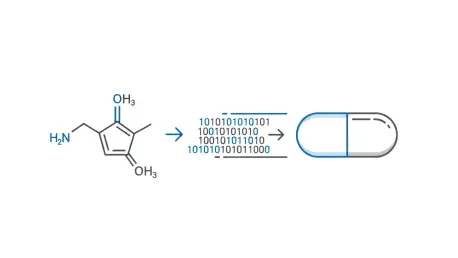
The astronomical scale of potential chemical space means that researchers are effectively searching for a single grain of sand on an endless beach, making traditional trial-and-error laboratory experiments both physically and economically impossible in the modern era. As pharmaceutical companies

The rapid fragmentation of the global digital landscape has forced a fundamental reassessment of how modern enterprises approach their underlying infrastructure and data management protocols. For decades, the dominant logic in corporate technology was built on the premise of a borderless internet

The pharmaceutical industry is currently undergoing a massive paradigm shift as it moves away from traditional trial-and-error methodologies toward a sophisticated, data-centric paradigm that prioritizes digital foresight. As the number of possible chemical combinations grows exponentially and

Global enterprises currently face a critical crossroads where the necessity of adopting advanced generative artificial intelligence conflicts directly with increasingly stringent regional data privacy regulations and national sovereignty mandates. As organizations navigate the complexities of 2026,

Many corporate executives have discovered that while a simple web-based chatbot can write a poem in seconds, their multi-billion dollar internal databases often remain frustratingly silent when asked to provide a specific, real-time business forecast. This stark disparity highlighting the gap