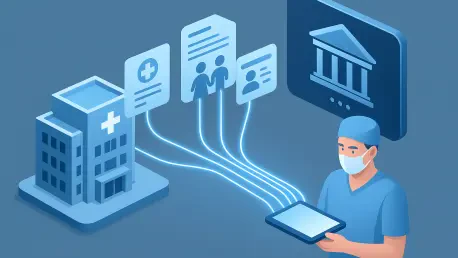

Medical professionals at maternity wards now input birth data directly into the SatuSehat platform, which then transmits the information to the national population database. This groundbreaking shift represents a departure from the cumbersome manual processes that once defined the first few days of a child’s life in Indonesia. In previous years, parents were forced to navigate a labyrinth of bureaucratic hurdles, visiting multiple government offices to secure essential identity documents. Now, the convergence of health technology and administrative services ensures that a single medical event triggers a comprehensive legal response. By digitizing the notification of birth at the source, the government is effectively eliminating the risk of children falling through the cracks of the civil registration system. This modernization effort is not merely about convenience; it serves as a foundational step in securing the fundamental right to an identity for every newborn, regardless of their family’s socio-economic status or geographical location.
Seamless Integration: The Three-in-One Document System
The cornerstone of this digital evolution is the “three-in-one” output system, which provides parents with a birth certificate, an updated Family Card, and a Child Identity Card simultaneously. This integrated approach leverages the Ministry of Health’s SatuSehat platform and the Ministry of Home Affairs’ population database to verify data in real-time. Once the medical staff submits the birth record, the information undergoes a rapid automated verification process conducted by civil registration officials. This eliminates the necessity for manual data entry, which was historically a major source of clerical errors and delays. The finalized documents are issued with secure QR codes to ensure authenticity and are delivered directly to the parents’ registered email addresses. This transition to digital delivery means that families can focus on the health and well-being of their newborn child rather than spending precious time waiting in queues at local government offices for physical paperwork.
Beyond the immediate convenience of receiving identity papers, this digital framework enhances the integrity of the national population registry. By creating a direct link between healthcare providers and civil registrars, the system ensures that every birth occurring in a formal medical setting is captured instantly. This proactive data collection prevents the common issue of delayed registration, which often occurs when parents prioritize immediate childcare over administrative tasks. Furthermore, the use of decentralized data entry points at hospitals and clinics allows for a more distributed and resilient administrative network. Security remains a top priority, with encryption protocols protecting sensitive personal information as it moves across government networks. This technological synergy not only simplifies the administrative burden on the state but also builds a more accurate demographic profile of the nation, which is essential for resource allocation and infrastructure planning.
Universal Coverage: Linking Birth Records to Health Insurance
Integration extends beyond civil identity into the vital realm of public health services, particularly the National Health Insurance program. By synchronizing birth records directly with the insurance databases, the government has removed the traditional requirement for parents to manually register their infants for coverage after leaving the hospital. This automated synchronization ensures that newborns are protected from the moment they are added to the national population registry, providing immediate access to medical services if complications arise. The lifecycle approach adopted here acknowledges that health security and legal identity are inextricably linked components of social welfare. When a child’s birth is recorded in SatuSehat, the system triggers a background update to the insurance provider, verifying eligibility and updating the household’s coverage details without further intervention. This reduction in administrative friction ensures that no child is left without essential medical coverage.
The practical benefits of this synchronization are particularly evident in the reduction of data discrepancies between different government agencies. In the past, mismatched names or birth dates between a birth certificate and an insurance card could lead to significant delays in accessing care. The current digital pipeline ensures a single source of truth for every citizen, where data entered at the point of birth serves as the definitive record for all subsequent social services. This accuracy is vital for maintaining the sustainability of the health insurance system, as it allows for better tracking of beneficiaries and more precise actuarial planning. Moreover, this model fosters greater trust between the public and the state, as citizens experience a more responsive and intelligent government that anticipates their needs. By removing the silos that previously separated health data from social security records, Indonesia is setting a regional standard for how digital infrastructure can be used to improve the delivery of essential services.
National Rollout: Addressing Inequity and Future Directions
Digital transformation is serving as a powerful tool for promoting social equity, specifically by targeting the documentation gaps prevalent in remote and underserved provinces. While urban areas have historically seen higher rates of birth registration, geographic and administrative barriers have often disadvantaged children born in rural regions. By digitizing the registration process within local health facilities, the government is bringing the state’s services directly to the people, regardless of how far they live from a provincial capital. This strategy ensures that every child is legally recognized and counted, providing the precise data necessary for effective national planning and the distribution of social assistance. The current phase of the program involves scaling these digital solutions from successful pilot sites to all maternity facilities across the archipelago. This expansion is critical for achieving universal civil registration and ensuring that no child is excluded from the benefits of citizenship.
Looking ahead, the government prepared to broaden this digital framework to encompass the entire lifecycle, including the registration of deaths and the collection of mortality data. This holistic vision aimed to create a comprehensive vital statistics system that provided real-time insights into the nation’s demographic health. By applying the same principles of automated data transmission and inter-agency cooperation to end-of-life records, the state refined its social service delivery and public health strategies. The ultimate goal focused on a data-driven government that prioritized the citizen’s journey and protected fundamental legal rights from start to finish. Authorities focused on creating a resilient infrastructure that could withstand the demands of a large, diverse population. This evolution into a more sophisticated digital ecosystem empowered individuals by granting them easy access to their own records while ensuring the state had the tools needed for efficient management. Digital birth registration served as the first step.