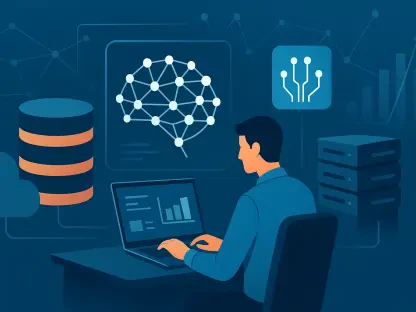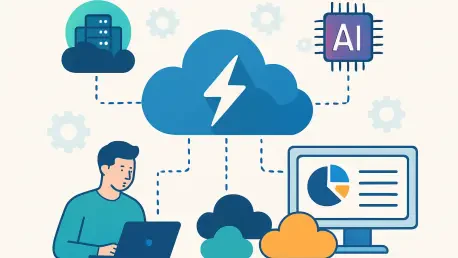

The sheer velocity of digital transformation has pushed modern enterprise IT architectures toward a breaking point where manual oversight no longer suffices to manage the sprawling expanse of hybrid cloud environments. As enterprise IT ecosystems become increasingly fragmented, the demand for a unified management layer has never been more urgent. CloudBolt Software has recently unveiled a major evolution of its Cloud Management Platform (CMP), specifically engineered to tackle the dual challenges of hybrid cloud complexity and the rapid rise of artificial intelligence. This update positions CloudBolt as a comprehensive control plane that bridges the gap between the need for agile innovation and the necessity of rigorous operational governance.
By focusing on AI-ready operations, scalable control, and infrastructure flexibility, the platform aims to provide a centralized hub for modern infrastructure workflows. This evolution is particularly relevant as organizations seek to integrate generative AI into their operational fabrics without sacrificing security or cost efficiency. The following analysis explores how these enhancements redefine cloud management for the era of multi-cloud diversification, ensuring that technical teams can scale their impact while maintaining a cohesive operating model across disparate regions and providers.
The Evolution of Cloud Management from Provisioning to Orchestration
Historically, Cloud Management Platforms were primarily viewed as self-service portals for provisioning virtual machines, yet the industry has undergone a radical shift driven by the explosion of public cloud services and the subsequent rise of hybrid environments. In the past, managing these resources often resulted in “tool sprawl,” where different teams used disparate systems for security, cost management, and deployment, leading to significant visibility gaps. The foundational shift toward “Infrastructure as Code” and automated governance paved the way for the current landscape where simplicity is the ultimate goal for the administrator.
Understanding this background is vital, as it highlights why the integration of AI and multi-cloud control is not just a luxury but a requirement for organizations looking to move away from legacy dependencies. As the market moves from 2026 to 2028, the ability to orchestrate complex services across global footprints will separate market leaders from those tethered to obsolete operational silos. Modern governance is now about enabling speed rather than acting as a roadblock, transforming the CMP from a simple gatekeeper into a proactive engine for business agility and technological resilience.
Redefining Operations with AI-Ready Governance
Standardizing AI Interactions via the Model Context Protocol
One of the most critical aspects of the new CloudBolt release is the support for the Model Context Protocol (MCP). This integration allows AI agents and conversational interfaces to communicate with the platform through a standardized framework, turning the CMP into a governed action layer. Users can now execute complex cloud tasks—such as scaling clusters or deploying new environments—using natural language commands that the system interprets and executes within safe parameters. Unlike unmanaged AI tools that might cause security “hallucinations” or unchecked spending, this approach ensures every AI-driven action remains tethered to existing security protocols and user permissions. This creates a safe sandbox for AI innovation where the platform remains the ultimate system of record.
Granular Lifecycle Management and Operational Control
The platform further deepens its value proposition through enhanced Role-Based Access Control (RBAC) and highly contextual user experiences. This focus addresses the complexities of “Day-Two” operations—the ongoing maintenance and optimization of resources after their initial deployment. By expanding custom forms and presentation layers to include specific tasks like resizing, updating, and decommissioning, CloudBolt allows organizations to expose specific capabilities to users without granting broad administrative access. This level of granularity ensures that policy enforcement is not just a gate at the beginning of a project but a continuous thread that runs through the entire lifecycle of an asset, significantly reducing the risk of configuration drift or accidental overspending.
Achieving Infrastructure Freedom in a Post-VMware Landscape
As the market seeks alternatives to traditional providers, CloudBolt has prioritized infrastructure freedom by expanding support for public, private, and emerging “neocloud” platforms. This diversification is essential for enterprises that want to avoid vendor lock-in and optimize their costs across heterogeneous environments. By providing a unified management layer, the system allows infrastructure teams to pilot new technologies and migration strategies without rewriting their entire operational playbook. This cross-platform consistency is particularly valuable for organizations undergoing digital transformation, as it allows them to modernize service delivery while maintaining a singular, robust governance strategy across all cloud silos, regardless of the underlying provider.
The Future of AI-Driven Infrastructure and Autonomous Clouds
Looking ahead, the trajectory of cloud management is moving toward “autonomous clouds” where AI doesn’t just assist but proactively manages resource allocation and security posture. Emerging trends suggest that the integration of AI agents will soon move from reactive task execution to predictive optimization, where the CMP can anticipate traffic spikes or security threats before they manifest. Between 2026 and 2029, the industry will likely see a massive shift toward self-healing infrastructures that require minimal human intervention for routine maintenance.
Regulatory scrutiny on AI-automated infrastructure is also expected to tighten, making the “governance-first” approach pioneered by CloudBolt a likely industry standard for compliance. As neocloud providers gain more market share by offering specialized GPU clusters for AI workloads, the ability to manage a “fluid” infrastructure—where workloads move seamlessly based on real-time cost and performance data—will become the ultimate competitive advantage. This shift will require platforms to be more than just dashboards; they must become intelligent decision engines that balance business goals with technical constraints.
Strategic Takeaways for Modernizing Cloud Operations
The latest advancements in CloudBolt’s CMP provide a clear roadmap for organizations looking to stabilize their cloud strategy. To capitalize on these updates, businesses should prioritize the implementation of granular RBAC to limit their attack surface and reduce accidental costs during Day-Two operations. Furthermore, teams should begin experimenting with AI-driven workflows within a governed framework like MCP to increase operational velocity without bypassing security checks. This gradual adoption allows staff to build trust in AI agents while maintaining the manual overrides necessary for critical production systems.
The most successful organizations will be those that embrace infrastructure freedom, using a unified control plane to test diverse providers and avoid the high costs of legacy lock-in. By centralizing management, IT leaders can ensure that their infrastructure remains an engine for innovation rather than a source of technical debt. It is also recommended to conduct a comprehensive audit of existing “tool sprawl” to identify where the CMP can consolidate disparate security and cost-management functions into a single pane of glass, thereby improving overall organizational visibility.
Navigating the Complexity of the Modern Cloud Era
CloudBolt’s evolution reflected a broader industry shift toward more intelligent, flexible, and governed cloud management. The platform addressed the most pressing pain points of the modern enterprise, including complexity, security, and the need for speed. As the transition away from legacy infrastructure accelerated, having a robust and adaptable control plane became a mandatory requirement for survival. The industry recognized that a governance-first, AI-assisted approach was the only way to ensure accountability while fostering innovation. Organizations that adopted these unified protocols found they could move workloads with unprecedented fluidity. Strategic leadership eventually pivoted toward these autonomous systems to handle the sheer volume of data generated by modern applications. Ultimately, this shift ensured that enterprises could navigate the complexities of the hybrid cloud with confidence and the freedom to innovate on their own terms.