
The Gulf of Guinea currently serves as one of the most volatile yet economically vital maritime corridors in the world, facilitating the transit of nearly one-third of the total energy supply required for the African continent. This vast expanse of water, stretching from Senegal to Angola, remains plagued by illegal, unreported, and unregulated fishing, which depletes local resources and undermines the livelihoods of millions of coastal residents. To combat these multi-faceted threats, the United States and Ghana have intensified their bilateral maritime strategy, moving beyond simple naval exercises toward a deeply integrated security framework. This partnership addresses the root causes of maritime instability by combining hardware transfers with high-level tactical training. Recent surges in narcotics trafficking have compelled a shift in strategy, focusing on persistent presence rather than periodic patrols to ensure safe passage for commercial vessels. By establishing Ghana as a regional hub for security operations, the two nations aim to create a protective umbrella that ensures the safe passage of commercial vessels while safeguarding the sovereign waters of West African states.
Advanced Surveillance Systems and Intelligence Sharing
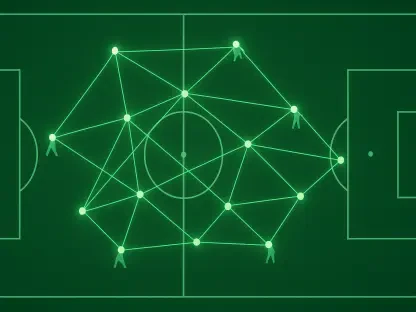
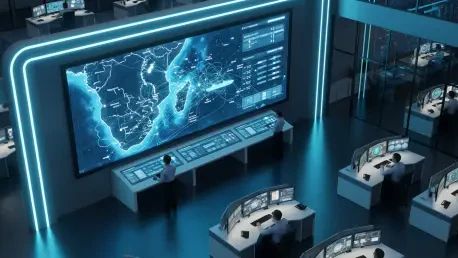
Effective maritime security in the modern era requires more than just physical presence; it demands a sophisticated digital architecture capable of monitoring thousands of square miles in real-time. The integration of the SeaVision platform has allowed the Ghanaian Navy to synchronize its operations with international partners, providing a common operating picture that was previously unattainable. This transition to data-driven enforcement enables authorities to identify suspicious vessel behavior, such as “going dark” by disabling Automatic Identification Systems, which is a common tactic for illegal trawlers and smugglers. Furthermore, the deployment of long-endurance Unmanned Aerial Systems has significantly expanded the reach of coastal surveillance, allowing for rapid response to incidents far from traditional naval bases. These technological advancements are supported by a rigorous intelligence-sharing agreement that facilitates the flow of data between U.S. and Ghanaian centers. By leveraging satellite imagery and acoustic sensors, the partnership has created a formidable deterrent against transnational criminal organizations that once exploited gaps in radar coverage.
Collaborative Training and Sustainable Defense Infrastructure
Building on the success of previous maneuvers, the joint tactical exercises known as Obangame Express shifted their focus toward complex scenarios involving cyber-maritime threats and legal interoperability. Personnel from both nations worked to refine the protocols for evidence collection at sea, ensuring that apprehensions led to successful prosecutions in Ghanaian courts. This focus on the legal finish was essential for establishing a credible rule of law within the Gulf of Guinea, effectively ending the cycle of impunity that fueled maritime crime. Looking ahead, from 2026 to 2028, stakeholders identified the expansion of local ship repair facilities as a critical priority to ensure the long-term readiness of donated patrol craft and regional assets. Strategic investments in vocational training for Ghanaian engineers provided the necessary human capital to maintain high-tech equipment without relying on external contractors. These initiatives solidified a roadmap for regional self-reliance, encouraging neighboring states to adopt similar cooperative models to stabilize the Atlantic coastline. Moving forward, the focus gravitated toward integrating climate-resilient port infrastructure to protect the logistical backbone of West African trade.