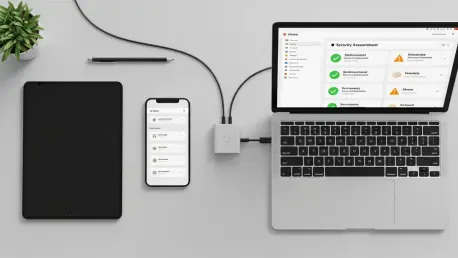

Modern software engineering environments currently face an unprecedented volume of security threats emerging from the complex web of open-source libraries that constitute nearly ninety percent of modern enterprise codebases. As organizations increasingly rely on third-party components to accelerate deployment cycles, the risk of inheriting vulnerabilities becomes a critical bottleneck for security teams. Traditional Software Composition Analysis (SCA) tools often struggle with the scale of modern microservices, frequently introducing latency and generating excessive false positives. In this environment, the OWASP CVE Lite CLI emerged as a specialized solution designed to provide a fast, streamlined method for identifying known vulnerabilities without the overhead of heavy enterprise platforms. By focusing on a lite philosophy, this tool allows for rapid assessment within local environments, ensuring that security remains a foundational element. The shift toward such utilities reflects a trend where speed and precision are prioritized.
1. Optimizing Scanning Performance and Resource Allocation
The architectural foundation of this command-line interface relies on an efficient parsing engine that interacts directly with the most current vulnerability databases while maintaining a minimal local footprint. Unlike legacy systems that require complex server-side configurations or extensive local database synchronization, the CLI utilizes optimized data fetching techniques to query the Common Vulnerability and Exposures index. This approach ensures that developers receive immediate feedback on the status of their project dependencies, such as npm packages, Python modules, or Java libraries. Efficiency is paramount. By leveraging specifically curated data feeds, the tool minimizes the processing power required to analyze a dependency tree, which is particularly beneficial for resource-constrained environments like temporary build containers or local workstations. This technical efficiency allows for a more frequent scanning cadence, enabling developers to identify and remediate critical security flaws early.
Beyond simple identification, the utility enhances the security posture by filtering results to focus on the most relevant threats, thereby reducing the cognitive load on engineering teams. Many automated scanners suffer from alert fatigue, where the sheer volume of low-severity notifications obscures genuine risks that could lead to a catastrophic breach. The OWASP CVE Lite CLI addresses this by providing clear, actionable output that categorizes vulnerabilities based on their severity and exploitability. This prioritization logic assists teams in making informed decisions about which updates are mandatory and which can be deferred to a later sprint. Furthermore, the tool supports various output formats, including JSON and plain text, making it highly adaptable for custom scripts or internal dashboards. This flexibility ensures that security data is available for broader analysis. Consequently, teams can maintain a high velocity of delivery without sacrificing the integrity of the software.
2. Architecting a Forward-Looking Security Infrastructure
Integration into the modern DevSecOps pipeline serves as a primary use case for this lightweight scanner, as it bridges the gap between raw code and secure deployment. In the current landscape of 2026, automation is the standard for infrastructure management, and security tools must align with these automated workflows to be effective. The CLI easily integrates into GitHub Actions, GitLab CI/CD, and other orchestration platforms, serving as a gatekeeper that prevents insecure code from reaching production. Because the execution time is negligible compared to comprehensive suite-based scans, it can be triggered on every commit or pull request without significantly extending the build duration. This granular level of oversight ensures that no new vulnerability is introduced into the codebase unnoticed. Moreover, the ease of installation via common package managers means that an entire organization can standardize its security checks across diverse project types with minimal administrative effort.
Decision-makers recognized that achieving sustainable dependency security required a fundamental shift toward lightweight and decentralized verification methods. Successful teams implemented a layered defense strategy where the OWASP CVE Lite CLI functioned as the first line of detection during the initial development stages. This proactive approach allowed for the identification of high-risk components before they were deeply integrated into the system architecture. Organizations prioritized the creation of internal security policies that mandated the use of these tools within local pre-commit hooks and centralized pipelines alike. Furthermore, the adoption of Software Bill of Materials standards became a cornerstone for ensuring full visibility into the transitive dependencies of every application. Leaders encouraged the continuous education of engineering staff regarding vulnerability management, ensuring that security awareness was embedded within the corporate culture. These actions transformed security from a reactive burden into a strategic advantage.