
The transition from traditional kinetic military engagements to a sophisticated digital siege following the recent execution of Operation Epic Fury has forced American defensive planners to confront a reality where the most critical battles are being fought within the invisible conduits of the national power grid and financial networks. As the Islamic Republic of Iran pivots away from conventional warfare, the resulting asymmetrical campaign has targeted the fundamental structural integrity of civilian infrastructure and the economic stability of Fortune 500 corporations with a level of precision previously unseen in global conflicts. This digital offensive represents a paradigm shift where the battleground is no longer restricted to a specific geographic theater but extends into every server room and household computer across the United States. National security agencies and private intelligence firms are currently operating on high alert, struggling to keep pace with a barrage of attacks that threaten to dismantle the essential services upon which the American way of life depends. This ongoing crisis is not merely a technical challenge; it is a profound test of national resilience that puts the multi-billion dollar cyber insurance industry at risk and creates a ripple effect of uncertainty throughout the global market. The sheer scale of this offensive suggests that the period of relative digital peace has ended, replaced by a state of constant, high-stakes attrition that demands a complete re-evaluation of how the nation protects its most vital assets from state-sponsored aggression.
Resilience through Redundancy: The Mosaic Defense Architecture
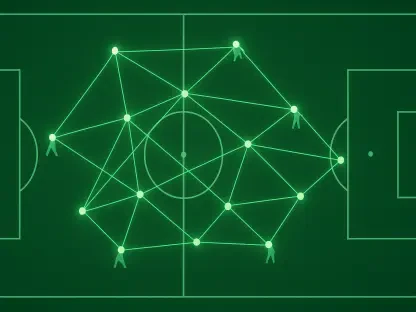
The Iranian military doctrine has evolved significantly to acknowledge that it cannot match the sheer kinetic power of the United States in a traditional head-to-head engagement, leading to the sophisticated implementation of what is known as the Mosaic Defense. This strategy relies on a decentralized digital architecture designed specifically to withstand and survive targeted strikes against central command and control hubs, ensuring that the offensive can continue even if primary facilities are neutralized. Even after recent physical strikes on known Iranian cyber compounds, the digital offensive has only gained momentum, demonstrating that the Iranian cyber ecosystem is composed of highly resilient, semi-autonomous cells that function independently of a central authority. These units are capable of identifying their own targets and executing complex operations without waiting for specific orders from a central headquarters, making the network nearly impossible to dismantle through traditional military or intelligence interventions. This decentralized nature ensures that the threat remains persistent, as the loss of one node does not degrade the capabilities of the remaining cells, allowing the campaign to adapt and evolve in real-time as defensive measures are implemented by American security teams.
The effectiveness of this decentralized approach is further enhanced by the strategic integration of over sixty pro-Iranian hacktivist groups that operate on a global scale, providing the regime with a layer of plausible deniability. By utilizing these proxies, Tehran can project digital power across continents and strike deep into the American heartland without leaving the direct fingerprints of the Iranian state, making a formal diplomatic or military response much more complex. This decentralized network creates a volatile and unpredictable environment where attacks can proliferate at an incredible speed, often bypassing traditional deterrents by operating through a convoluted web of third-party intermediaries and independent actors. These groups often share resources, intelligence, and malware toolkits, which facilitates a high level of coordination despite their technically independent status. The resulting landscape is one where the lines between state-sponsored warfare and independent criminal activity are permanently blurred, forcing American investigators to spend valuable time and resources trying to attribute attacks that are specifically designed to be untraceable. This layer of obfuscation allows the regime to maintain a constant state of pressure on the American government while avoiding the direct consequences that would typically follow a state-on-state attack.
Proxies and Massive Volume: The New Digital Front
The sheer volume of these digital incursions has reached unprecedented levels, with a reported 245% spike in the frequency of attacks since the onset of current hostilities in early 2026. Security firms and national defense centers have recorded hundreds of thousands of distinct cyber events in a single twenty-four-hour period, a tactic purposefully designed to overwhelm the defensive perimeters of even the most sophisticated corporations. By creating a constant and deafening noise of minor attacks, Iranian actors effectively camouflage their high-impact operations, making it nearly impossible for security teams to identify and stop the specific penetrations that could cause systemic failures. This strategy of saturation serves to exhaust the human and technical resources of the defenders, forcing them to prioritize immediate threats while potentially missing the subtle signs of a deep, long-term breach. The relentless nature of these attacks creates a state of perpetual crisis management within IT departments across the country, where the primary goal shifts from proactive security to basic survival against an unending tide of malicious traffic.
This environment of constant digital friction is further complicated by the use of advanced automation and machine learning by Iranian-linked actors to launch these high-volume campaigns. By automating the initial stages of reconnaissance and exploitation, these groups can scan millions of American IP addresses for vulnerabilities in a matter of hours, identifying the weakest links in the national infrastructure with terrifying efficiency. This level of automation means that a single person or small group can manage a campaign that would have previously required hundreds of trained specialists, drastically lowering the cost of the offensive while maximizing its potential reach. Furthermore, the use of automated botnets allows for the rapid deployment of denial-of-service attacks that can temporarily shut down essential public websites, creating a sense of chaos and unreliability among the general population. This tactic is not necessarily intended to cause permanent damage, but rather to serve as a constant reminder of the adversary’s reach and the inherent fragility of the digital systems that Americans rely on for their daily needs, from banking to emergency services.
Weaponized Malware: From Data Theft to Physical Destruction
The Iranian digital arsenal has become increasingly diverse and destructive, characterized by the widespread deployment of wiper malware that is specifically designed to permanently delete critical data rather than holding it for ransom. Unlike traditional ransomware, which offers a path to recovery through payment, wiper malware is purely an instrument of sabotage, intended to cause maximum disruption and permanent loss to the target organization. Beyond simple data destruction, state-sponsored actors have successfully pre-positioned sophisticated backdoors within American networks long before the current hostilities began, allowing them to remain dormant and undetected for years. These persistent threats act as a digital “stay-behind” force, giving the attackers the ability to bypass modern early-warning systems and strike from within the security perimeter at a moment’s notice. The presence of these latent threats means that even networks that appear secure today could be activated as conduits for destruction whenever the regime decides to escalate the conflict, creating a permanent state of vulnerability for critical infrastructure.
There is a growing and alarming focus on operational technology, which includes the specialized hardware and software used to govern municipal water, power, and gas utilities across the United States. By targeting these industrial control systems, Iranian cyber actors aim to translate digital breaches into tangible, physical-world consequences, such as equipment failures or widespread service outages. The manipulation of these systems represents a significant escalation in the conflict, as it directly threatens the safety and well-being of millions of civilians who depend on these essential services for survival. Furthermore, the use of artificial intelligence to craft convincing social engineering campaigns has significantly increased the success rate of initial network breaches among high-level corporate executives and government officials. These AI-driven phishing attacks are capable of mimicking the writing styles and personal details of trusted colleagues, making it nearly impossible for even the most vigilant individuals to detect the deception. This combination of advanced malware and psychological manipulation allows the attackers to gain access to the most sensitive areas of American society, where they can cause the most significant damage with the least amount of effort.
The Stryker Breach: Disrupting the Healthcare Supply Chain
The massive cyberattack on the Stryker Corporation in March of 2026 serves as a stark illustration of the severe risks currently facing American industry and the global healthcare sector. As one of the world’s leading medical technology providers, Stryker’s sudden operational disruption sent immediate shockwaves through the global supply chain, impacting the delivery of life-saving medical devices and services. The deployment of sophisticated wiper malware during this incident resulted in the deletion of massive amounts of corporate data and rendered hundreds of thousands of medical devices inoperable worldwide, forcing hospitals to immediately disconnect from their primary networks to prevent further spread. This event was not just a financial blow to a major corporation; it was a direct attack on the healthcare infrastructure that millions of people rely on for their medical treatments and surgeries. The recovery process for such an incident is incredibly complex and time-consuming, requiring the manual re-imaging of thousands of individual devices and the reconstruction of massive databases from offline backups that may themselves be outdated.
Beyond the immediate technical damage caused by the Stryker breach, the attack functioned as a potent psychological operation designed to instill fear and uncertainty among the American public. By interrupting the transmission of critical patient data and causing the cancellation of thousands of elective and emergency procedures, the “Handala Hack” brought the reality of an international conflict directly into the lives of everyday citizens. It effectively transformed what many perceived as a distant geopolitical struggle into a palpable and immediate threat to individual health and safety, achieving the core objective of eroding the sense of domestic security. This type of attack is designed to demonstrate that no sector is immune to the reach of the Iranian regime, and that the consequences of the conflict will be felt far beyond the battlefield. The long-term impact of such a breach includes a decrease in public trust in digital medical records and a lingering fear that critical healthcare services could be taken offline at any moment, creating a lasting psychological scar on the national consciousness that is much harder to heal than the technical infrastructure itself.
Legacy System Failures: The Myth of the Air-Gap
A primary concern for national security experts is the inherent and systemic vulnerability of United States critical infrastructure, which often relies on outdated legacy hardware that was never designed for the modern internet age. Many of these systems, which control vital aspects of the power grid and municipal water supplies, were built decades ago with a focus on mechanical reliability and longevity, rather than cybersecurity or remote connectivity. Over time, these systems have been retrofitted with modern networking capabilities to allow for remote monitoring and management, creating unintended pathways for sophisticated state-sponsored actors to gain access to sensitive controls. The lack of security-by-design in these older systems means that they often lack basic protections, such as encryption or multi-factor authentication, making them relatively easy targets for experienced hackers. This creates a situation where the nation’s most essential services are being managed by technology that is fundamentally incapable of defending itself against the advanced digital threats of the current era.
The danger is further exacerbated by the failure of “air-gap” security measures, which were once thought to be an impenetrable defense for safety-critical operations. An air-gap is a security measure that ensures a computer network is physically isolated from unsecured networks, such as the public internet or an unsecured local area network. However, modern Iranian cyber tactics have proven that these gaps can be bridged through the use of infected removable media, such as USB drives, or through the exploitation of maintenance laptops that are occasionally connected to the isolated network. Once a state-sponsored actor gains a foothold within an air-gapped system, they can manipulate industrial control processes to cause physical damage or create dangerous conditions without ever needing to crack modern encryption protocols. This vulnerability highlights the fact that physical isolation is no longer a guarantee of safety in an age where social engineering and sophisticated supply chain attacks can bypass even the most stringent physical security measures. The reliance on these outdated concepts of security has left much of the American infrastructure exposed to a level of risk that is only now being fully understood as the frequency of attacks continues to rise.
Administrative Paralysis: The Crisis within Federal Cybersecurity
Compounding the technical flaws of the national infrastructure is a significant and ongoing administrative crisis within the Cybersecurity and Infrastructure Security Agency, commonly known as CISA. Hampered by repeated government shutdowns and severe budget cuts throughout early 2026, the primary line of defense against foreign cyber threats is currently operating at only a small fraction of its normal capacity. This vacuum of resources has left critical sectors, such as municipal utility providers and rural hospitals, without the essential vulnerability assessments and technical support they need to defend against sophisticated state-sponsored actors. Without the guidance and coordination provided by a fully functional federal agency, many of these smaller organizations are forced to fend for themselves against an adversary that has the full backing and resources of a nation-state. This lack of a unified national defense posture has created a patchwork of security where the strength of the perimeter depends entirely on the individual resources of each local provider, leading to significant gaps that are easily exploited by Iranian operatives.
The loss of experienced personnel and the persistent absence of stable, Senate-confirmed leadership have further weakened the national defense posture during this critical period of escalation. With many key positions remaining vacant or being filled by temporary staff who lack the long-term vision and authority to implement major policy changes, the agency has struggled to maintain a coherent and proactive strategy against the Iranian offensive. This internal instability arrived at the worst possible time, as the frequency and sophistication of cyberattacks continue to climb while the national defensive response is at its weakest point in years. The brain drain resulting from budget uncertainty has seen many of the country’s top cybersecurity experts leave government service for the private sector, further depleting the pool of talent available to protect the nation’s most vital interests. This administrative paralysis not only hinders the immediate response to ongoing attacks but also prevents the development of the long-term infrastructure improvements and regulatory frameworks that are necessary to secure the country’s digital future against increasingly capable adversaries.
Civilian Risk: Manipulation of Municipal Utilities and Finance
The conflict has transitioned into what experts describe as a “quiet disruption” of daily American life, with the clear and calculated goal of eroding public trust in the reliability of essential services. Documentation and intelligence reports have revealed multiple attempts by Iranian-linked actors to manipulate the chemical levels in municipal water systems, posing a direct and terrifying threat to public health and safety. While widespread, nationwide blackouts are currently considered less likely than targeted, surgical strikes, localized power grid disruptions remain a constant and pressing danger, particularly for vulnerable populations who depend on climate control for their survival. These attacks are designed to create a sense of pervasive anxiety, making citizens feel that even the most basic necessities of life are subject to the whims of a foreign power. The psychological impact of knowing that a hostile regime could potentially poison a city’s water supply or shut off its power during a heatwave is a powerful tool of asymmetrical warfare that extends the conflict far beyond the traditional boundaries of military engagement.
Financial fraud has also emerged as a major front in this digital war, with state-sponsored attackers increasingly impersonating banks and telecommunications providers to harvest the personal credentials of American citizens. These operations have led to widespread identity theft and the depletion of personal savings accounts, extending the reach of the conflict directly into the wallets of everyday people who have no direct connection to the geopolitical struggle. These tactics are designed to create a general atmosphere of financial anxiety and to undermine the stability of the American banking system by eroding the confidence that consumers have in digital transactions. By hitting citizens in their personal finances, the Iranian regime aims to create domestic pressure on the American government to reduce its involvement in the Middle East or to provide concessions in exchange for a cessation of the digital attacks. This strategy turns the entire civilian population into a target, ensuring that the costs of the conflict are felt by everyone, regardless of their proximity to the actual military operations or the political centers of power.
Market Instability: The Collapse of Cyber Insurance Protections
The sixteen-billion-dollar cyber insurance market is currently facing an existential crisis as it grapples with the increasingly blurry distinction between criminal acts and state-sponsored acts of war. Most standard insurance policies contain “war exclusion” clauses that allow providers to deny coverage for losses resulting from traditional military conflict, but the unique nature of state-sponsored hacktivism makes these clauses incredibly difficult to enforce in a court of law. Recent mandates from major global insurers, such as Lloyd’s of London, are now being tested in real-time by the fallout of the ongoing Iranian offensive, creating a chaotic legal landscape for businesses that have suffered significant losses. These companies are finding that the protection they thought they had purchased is being called into question, as insurers argue that the sophisticated nature of the attacks points toward state involvement, thereby triggering the war exclusion. This uncertainty has left many American corporations in a state of financial limbo, unsure if they will ever recover the millions of dollars lost to data destruction and operational downtime.
Legal precedents, such as the litigation following the NotPetya attacks of previous years, suggest that traditional war exclusions may not hold up in court for cyber events that do not involve traditional, kinetic warfare. However, the sheer scale and persistence of the Iranian campaign have pushed the insurance industry to its breaking point, forcing a complete reconsideration of how risk is priced and underwritten in an age of constant nation-state aggression. As insurers move to significantly increase premiums or limit coverage for state-sponsored events, many businesses may find themselves unable to afford the protection they need to survive a major breach. This creates a systemic risk for the entire American economy, as the lack of insurance coverage could lead to a wave of corporate bankruptcies following a major cyberattack. The resulting instability in the insurance market reflects a broader realization that the traditional models for managing risk are no longer adequate in a world where a foreign government can inflict massive economic damage on private companies with the press of a button.
The Sanctions Trap: Legal Complications of Ransom and Recovery
American corporations are increasingly caught in a complex “sanctions trap” regarding the payment of ransoms to recover stolen or encrypted data during this ongoing conflict. Since many of the Iranian cyber groups involved in these attacks have been officially tied to sanctioned entities, such as the Islamic Revolutionary Guard Corps, paying a ransom to recover critical business data can be interpreted as a federal crime under current anti-terrorism laws. This leaves victimized companies in a desperate and nearly impossible position, where they are legally prohibited from paying for the recovery of their own data while their insurance providers simultaneously deny coverage based on the nature of the attacker. This legal catch-22 significantly complicates the recovery process, as businesses are forced to choose between permanent data loss and the risk of massive federal fines or even criminal prosecution for violating international sanctions. The result is a prolonged period of operational paralysis for many companies, as they struggle to rebuild their systems from scratch without the help of the decryption keys held by the attackers.
The resilience of the American infrastructure was ultimately tested not by a single catastrophic event, but by the cumulative weight of thousands of smaller, persistent disruptions that drained the nation’s resources and patience. To move forward, policymakers and private industry leaders recognized that the traditional silos between government defense and private sector security had to be dismantled in favor of a unified, national digital defense strategy. Investments were shifted toward the development of self-healing networks and the replacement of legacy industrial controls with modern, security-first hardware that could withstand sophisticated intrusion attempts. Furthermore, the legal and insurance frameworks were modernized to provide a clear safety net for businesses caught in the crossfire of nation-state conflicts, ensuring that the economic fallout of a cyber offensive did not lead to permanent systemic failure. By treating cybersecurity as a fundamental component of national sovereignty rather than a technical afterthought, the United States began the long process of hardening its infrastructure against the evolving threats of the digital age, ensuring that future offensives would find a much less vulnerable target.