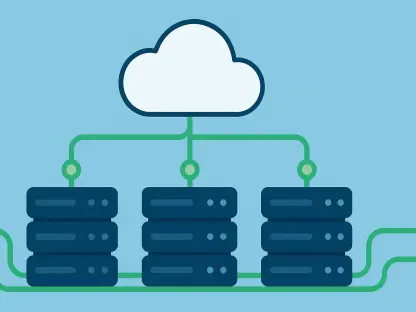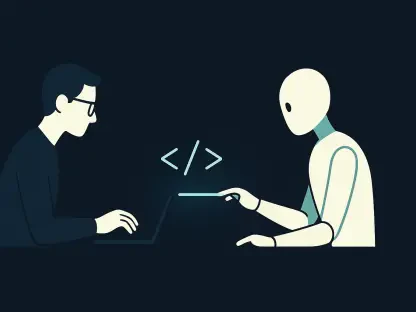

To enroll in the new security program, maintainers must submit a pull request containing a specific configuration file and a Dockerfile to allow the scanning agent to build their software. This foundational step enables the recently introduced OSS Scanner to execute periodic vulnerability assessments within a secure, sandboxed environment. By utilizing advanced AI models like Claude Mythos, the service identifies deep-seated flaws in codebases that serve as the backbone of global digital infrastructure. Funding for this initiative comes from the Defender Advantage Fund, ensuring that maintainers of vital projects can access high-level security audits without incurring any financial burden. This approach addresses a long-standing gap where resource-constrained open-source teams struggle to defend against increasingly sophisticated exploits. By automating these complex reviews, the system offers a scalable solution to the persistent challenge of securing the software supply chain that powers modern industry.
Streamlining Vulnerability Management: The Role of AI Automation
The OSS Scanner represents a departure from traditional security protocols by prioritizing speed and direct communication with project leads. Unlike conventional coordinated disclosure processes, which often rely on a slow bottleneck of manual vetting by human researchers, this new system delivers automated reports directly to project maintainers. This design choice addresses the massive volume of potential issues identified by AI; in the current year, models have flagged over 29,000 vulnerabilities, a number that far exceeds the capacity of human teams to review individually. While this automated path carries a small risk of inaccuracies, often referred to as model hallucinations, it provides a crucial fast track for developers who prefer raw, immediate data over waiting for a verified queue. This shift acknowledges that in the high-stakes world of cybersecurity, the delay caused by manual triage can be more dangerous than the occasional need to filter out a false positive.
The integration of automated scanning into the software development lifecycle facilitates a proactive defense posture for open-source communities. By removing the manual review layer, the system allows for a near-continuous auditing cycle that keeps pace with rapid code changes and frequent updates. This method is particularly effective for large-scale projects where thousands of lines of code are committed daily, making manual oversight nearly impossible to sustain. The direct delivery model encourages a culture of rapid response among maintainers, who can now integrate security feedback into their workflows without bureaucratic delays. Furthermore, the use of a secure build environment ensures that the scanning process itself does not introduce new risks to the projects it aims to protect. As organizations move through the period from 2026 to 2028, this model of automated security intelligence will likely become the standard for maintaining the integrity of shared digital assets.
Advancing Project Security: High-Fidelity Data and Remediation
One of the most significant advantages of the OSS Scanner is the depth and utility of the reports it generates for maintainers. Each report is engineered to be as actionable as possible, often including a self-contained reproducer that allows developers to verify the bug locally with minimal effort. This technical package typically features a detailed explanation of the flaw and a bisection that identifies the exact point in the version history where the vulnerability was first introduced. By pinpointing the origin of a bug, the AI significantly reduces the investigative workload for maintainers, allowing them to focus on remediation rather than discovery. Early feedback from the developer community suggests that these reports are remarkably precise; for instance, the wolfSSL library reported that 72 out of 74 findings were valid. This high success rate has already led to the assignment of several new CVE identifiers, proving that AI can perform at an elite expert level.
The successful deployment of the OSS Scanner demonstrated that the democratization of advanced security tools was essential for protecting the global digital infrastructure. Developers who integrated these tools into their daily operations found that they could maintain higher security standards with fewer manual hours, allowing them to focus on innovation. To fully capitalize on these developments, maintainers were encouraged to standardize their build environments using containerization, ensuring that AI agents could consistently analyze their codebases without manual intervention. This transition required a shift in mindset, where security was treated as a continuous process rather than a periodic chore. Organizations that adopted these AI-driven workflows early reported a significant reduction in the time required to patch vulnerabilities. Ultimately, these lessons provided a roadmap for building more secure software systems worldwide.