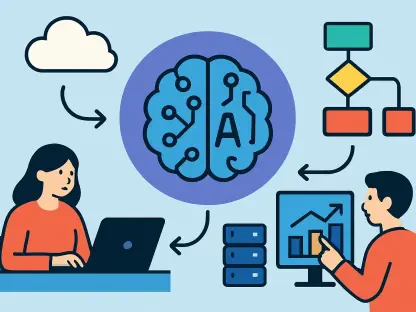

The current technological landscape demonstrates that the success of generative artificial intelligence in the enterprise sector depends less on the raw power of a single model and more on the seamless integration of diverse datasets across hybrid environments. Large-scale organizations are

The modern corporate landscape is witnessing a seismic transition where traditional predictive models are rapidly being superseded by autonomous agents that do not just forecast trends but actively execute complex operational workflows. This movement represents a significant departure from the era

The global race to integrate generative models has created a paradox where the speed of innovation frequently outpaces the fundamental mechanisms required to protect digital assets from sophisticated exploitation. As organizations scramble to deploy the latest Large Language Models, the

When a banking algorithm erroneously denies a mortgage based on a hallucinated regulation, the legal consequences move far beyond a simple software glitch into the realm of systemic corporate liability. In the high-stakes environments of global finance and insurance, the unpredictability of

The persistent gap between generating massive amounts of corporate data and actually extracting meaningful value from it has finally forced a fundamental redesign of business intelligence architectures. For years, organizations operated under a "request and wait" model where business users were

When a high-ranking executive appears on a video conference requesting an urgent wire transfer, the immediate reaction of most employees is compliance rather than skepticism. This psychological shortcut is exactly what modern cybercriminals exploit as they move away from the clunky, misspelled