
Navigating the high-stakes world of human resources technology often feels like deciphering a complex code where three-letter acronyms dictate the future of organizational productivity. Business leaders frequently find themselves caught in a linguistic maze, trying to determine if they need a

Chloe Maraina is a powerhouse in the world of business intelligence and data science, possessing a unique talent for transforming raw data into compelling visual narratives. With a background that blends technical rigour with a visionary approach to data management, she has spent years helping

The rapid acceleration of generative artificial intelligence has fundamentally altered the landscape of corporate digital infrastructure, forcing a majority of global enterprises to rethink how information is stored and utilized. Today, more than 85 percent of large organizations are actively

The modern corporate environment relies on a digital backbone that pulsates with real-time data, connecting global supply chains to local storefronts in a matter of milliseconds. As of 2026, Enterprise Resource Planning (ERP) systems have transitioned from being mere repositories of financial

Organizations are no longer satisfied with isolated digital assistants that perform single tasks; they now demand a cohesive network of autonomous agents that can communicate and solve cross-departmental problems in real time. In the initial phases of enterprise AI adoption, a solitary chatbot or a
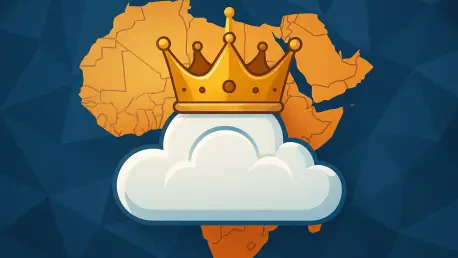
The rapid decentralization of digital infrastructure has reached a critical tipping point as emerging markets prioritize data residency over the convenience offered by traditional Western hyperscale providers. Zoho Corp. has positioned itself as a formidable contender in this shifting landscape by