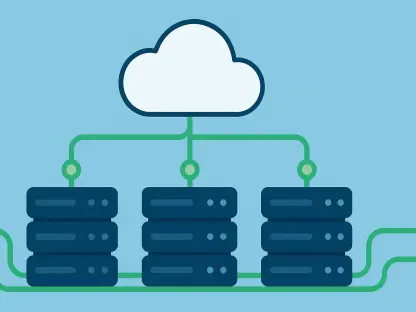

The current technological landscape demonstrates that the success of generative artificial intelligence in the enterprise sector depends less on the raw power of a single model and more on the seamless integration of diverse datasets across hybrid environments. Large-scale organizations are increasingly seeking unified platforms that can manage the complexities of model deployment without compromising on security or data sovereignty. The expanded collaboration between IBM and Google Cloud addresses these concerns by making the watsonx platform available on Google’s global infrastructure, enabling a more fluid exchange of information and insights. This development marks a transition from fragmented AI experiments to a cohesive strategy where IBM’s Granite models are fully optimized for Google Cloud’s Vertex AI. By focusing on interoperability, the partnership facilitates an environment where businesses can leverage the strengths of both providers. This approach ensures that technical hurdles are minimized as firms work to scale their AI operations across various geographical regions and business units during the 2026 fiscal cycle. The integration provides the necessary scaffolding for high-stakes industries, such as banking and healthcare, to adopt sophisticated machine learning workflows while maintaining strict compliance with evolving data privacy regulations.
Infrastructure Synergy: Bridging Cloud and Intelligence
The availability of IBM’s foundation models on Vertex AI marks a significant milestone in the evolution of open-model ecosystems for the modern business world. This technical alignment allows developers to utilize IBM Granite models alongside Google’s native tools, fostering a creative environment where custom applications can be built with unprecedented precision and speed. By integrating these models into a unified interface, enterprises can effectively reduce the latency associated with cross-platform data transfers, which is a critical factor for real-time decision-making systems. Furthermore, the collaboration emphasizes the importance of choice, giving technical teams the ability to select the most appropriate model for specific tasks, whether it involves complex natural language processing or high-volume data classification. This flexibility is supported by Google Cloud’s high-performance computing resources, including the latest Tensor Processing Units, which ensure that training and inference tasks are executed with maximum efficiency. As companies continue to refine their generative AI roadmaps, this infrastructure synergy provides a stable foundation for developing specialized tools that can adapt to the unique requirements of various vertical markets and internal business functions.
Building on this technical foundation, the partnership also leverages the extensive expertise of IBM Consulting to help clients navigate the complexities of digital transformation. This advisory component is essential for organizations that possess the raw data but lack the internal framework to translate that information into actionable intelligence using Google Cloud’s ecosystem. Consultants focus on creating bespoke AI strategies that align with specific corporate objectives, ensuring that every deployment delivers measurable value rather than just technical novelty. The integration of watsonx.data with Google Cloud BigQuery represents a key part of this strategy, as it allows for the creation of a unified data fabric that spans multiple cloud environments. This architecture enables data scientists to access and analyze information wherever it resides, effectively breaking down the silos that have historically hindered large-scale analytics projects. By simplifying the data pipeline, the two companies are making it possible for enterprises to automate complex workflows and improve the accuracy of their predictive models. This level of collaboration is necessary for maintaining a competitive edge in a market where the ability to rapidly iterate on AI-driven products is the primary differentiator for success.
Strategic Implementation: The Path to Governance
The initial rollout of the integrated IBM and Google Cloud solutions established a clear precedent for how highly regulated industries could safely adopt generative technologies. Organizations that participated in the early stages of this expansion found that the centralized governance features of watsonx allowed them to monitor model behavior and mitigate bias with a high degree of transparency. These companies successfully implemented automated auditing processes that tracked every adjustment to the machine learning lifecycle, ensuring that all AI outputs remained within the boundaries of established ethical guidelines. This focus on accountability proved to be a decisive factor for Chief Technology Officers who were previously hesitant to deploy large language models in production environments due to concerns over unpredictable results. The past implementation phase demonstrated that a rigorous approach to governance did not necessarily slow down the pace of innovation; instead, it provided a structured framework that encouraged more confident experimentation across different departments. By documenting these early successes, the partnership created a blueprint for sustainable AI adoption that emphasized the importance of safety and reliability over pure speed during the 2026 deployment phase.
Looking ahead, the logical next step for enterprises involves the deep integration of these tools into the core operational fabric of the business to ensure long-term resilience. Decision-makers were encouraged to prioritize the modernization of their data architectures to fully capitalize on the benefits of the watsonx and Vertex AI synergy. This process involved transitioning from legacy storage systems to modern, cloud-native environments that supported the high-throughput requirements of advanced generative models. Furthermore, the development of specialized internal training programs became a vital component of the strategy, as it ensured that staff possessed the necessary skills to manage and refine these sophisticated systems. Actionable insights derived from the first wave of implementation suggested that the most successful companies were those that treated AI governance as a continuous process rather than a one-time setup. By maintaining a focus on iterative improvement and cross-platform visibility, these businesses positioned themselves to adapt to future shifts in the technological landscape with ease. The partnership ultimately provided the tools and the methodology required to transform raw data into a strategic asset, setting a high standard for how modern enterprises should navigate the complexities of the digital age.