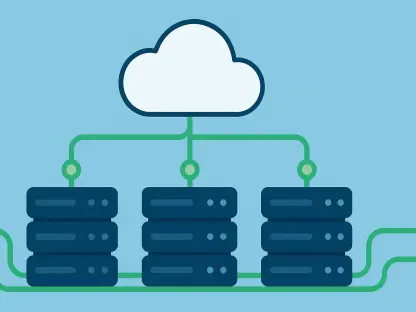

The landscape of corporate computing changed significantly when two historically distinct technology titans decided to pool their resources to eliminate the friction inherent in modern multi-cloud environments. This strategic shift addresses the demand for flexibility and security in an era where data sovereignty and operational efficiency are paramount. By moving away from closed ecosystems, these organizations are championing a hybrid model that allows businesses to leverage diverse platforms without sacrificing performance.
This article explores how this alliance simplifies the integration of sophisticated artificial intelligence into everyday business operations. Readers will learn about the specific technologies involved and the ways this partnership removes the barriers to digital transformation. The scope covers data management, automated infrastructure, and the fusion of high-level generative models.
Key Questions or Key Topics Section
What Drives the Expanded Partnership Between These Two Tech Giants?
Enterprises frequently struggle with the complexity of managing data across fragmented platforms, often feeling trapped by the limitations of a single provider. The need for a cohesive strategy that bridges the gap between private infrastructure and public cloud capabilities is urgent. This collaboration provides a unified framework where businesses can orchestrate digital assets regardless of where they reside or how they are structured.
By combining industrial expertise with technological agility, the companies foster an environment that prioritizes open-source standards and interoperability. This approach allows clients to modernize workloads while maintaining a stable foundation for growth. The objective is to ensure that AI adoption is a core component of a streamlined digital transformation strategy that responds to market changes in real time.
Which Specific Technologies Are Available on the Google Cloud Marketplace?
Accessing specialized tools through a centralized marketplace simplifies procurement and allows for unified billing across various services. Historically, integrating third-party solutions required extensive manual configuration and separate financial agreements. The inclusion of high-performance data management and automation tools directly within the Google Cloud ecosystem removes administrative hurdles, enabling teams to focus on innovation.
Specifically, the availability of watsonx.data enables organizations to scale unstructured data management effectively. Alongside this, the optimization of Red Hat OpenShift and HashiCorp automation tools provides a robust architecture for containerized workloads. These integrations ensure that organizations managing virtual machines have the necessary resources to deploy real-time data architectures seamlessly.
How Does the Integration of Gemini Models Benefit Enterprise Developers?
Developer productivity often stalls when teams switch between platforms to access generative models and enterprise software. Friction caused by disconnected workflows slows the deployment of applications and increases the likelihood of errors during development. Streamlining this process requires a deep integration of intelligence directly into the tools that software engineers use every day.
The incorporation of Google Gemini models into the software portfolio provides developers with state-of-the-art AI within a familiar environment. Furthermore, the extension of the Red Hat Lightspeed Agent to Google Cloud offers automated assistance for managing infrastructure. This synergy allows for the rapid creation of sophisticated models while ensuring that the underlying systems remain secure and efficient.
Summary or Recap
The alliance reinforces a commitment to removing operational complexities that hinder technological progress. Key takeaways include the prioritization of hybrid cloud modernization and the strategic fusion of advanced AI models with reliable infrastructure. By consolidating diverse services into a single marketplace, the partnership provides a clear path for organizations to utilize their resources more effectively. Businesses now have a more stable foundation upon which they can build their digital future with confidence.
Conclusion or Final Thoughts
This collaborative effort demonstrated that the path to digital maturity was paved through cooperation rather than isolation. The partnership successfully synthesized deep industry knowledge with rapid innovation, offering a blueprint for how large-scale modernizations were managed. It encouraged leaders to look beyond the boundaries of their current vendors to find more versatile solutions. In the end, the focus shifted toward empowering organizations to achieve their goals with greater precision and less technical debt.