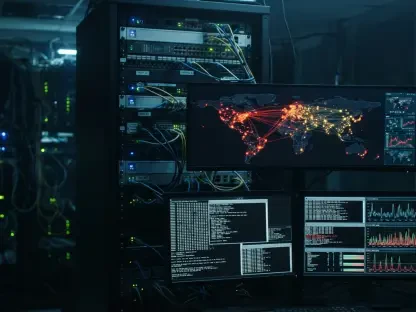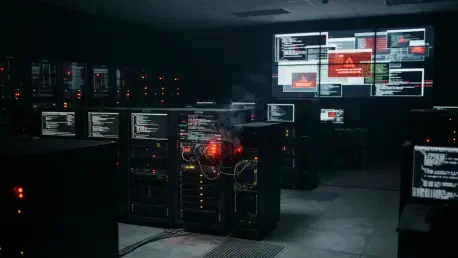

AM Best reports that many insurance organizations are reluctant to aggressively expand their coverage limits due to the unpredictable nature of massive systemic cyber events. This hesitance stems from the discovery of the PHP2Shell vulnerabilities, specifically identified as CVE-2026-109618 and CVE-2026-109619, which target the scripting language powering a vast majority of the modern web. These flaws represent a fundamental breakdown in memory corruption handling and internal request-state management, effectively granting unauthorized parties a pathway toward remote code execution across millions of servers simultaneously. Because PHP maintains such a dominant footprint in the digital infrastructure, a coordinated exploitation of these weaknesses could trigger a cascade of claims that dwarf previous historic losses. Analysts noted that no single geographic region remains insulated from the fallout. The fiscal stability of the cyber insurance market is being tested as providers quantify exposure.
The Technological Intersection: Vulnerability and AI
Risk analytics firms like CyberCube have categorized the emergence of PHP2Shell as a watershed moment, largely due to how modern technologies are weaponized to identify and exploit such gaps. The integration of artificial intelligence into offensive cyber operations has significantly compressed the timeframe that security teams have to deploy critical patches. In the current landscape of 2026, automated scanners powered by neural networks can identify vulnerable PHP installations across the globe in a fraction of the time it took just a few years ago. This rapid propagation creates a scenario where the standard reactive model of cybersecurity is no longer sufficient. When an exploit is discovered, the window for mitigation is often closed before the information even reaches the desk of a Chief Information Security Officer. This technological shift forces a reevaluation of how defensive measures are prioritized, moving away from annual audits toward continuous automated monitoring systems.
The potential for a systemic risk event is exacerbated by the fact that PHP2Shell does not just affect single points of data entry but impacts the very foundation of web-based communication. Insurers are particularly concerned that the financial repercussions will exceed the industry’s current capital reserves if a widespread breach occurs. Unlike isolated incidents, a systemic event involves a high correlation of losses across diverse portfolios, making the traditional strategy of risk diversification nearly impossible. This situation has led to a noticeable contraction in the availability of high-limit policies as carriers attempt to protect their own balance sheets from insolvency. The fear is that a single day of active exploitation could result in billions of dollars in losses, potentially overwhelming the reinsurance markets that typically provide a safety net for catastrophic claims. This tension between demand for coverage and the ability to provide it defines the current market landscape.
Expanding Liability: The Evolution of Insurance Models
Liability concerns associated with these flaws extend beyond the immediate technical damage to include the potential for significant legal exposure for corporate leadership. Experts warned that the liability could reach board directors and corporate officers through errors and omissions coverage, particularly if they are found negligent in mitigating known risks or failing to inform investors of material weaknesses. This focus on executive responsibility highlights a shift in how cyber risk is governed within the modern enterprise. While actual impacts have been limited so far—partly due to proactive measures like site disconnections—the consensus remains that this event underscores a new era of systemic vulnerability. The possibility of shareholder derivative lawsuits following a major breach incentivizes companies to treat cybersecurity as a fiduciary duty. As a result, the market is seeing a surge in demand for specialized policies that cover regulatory fines and long-term reputational damage.
The industry successfully navigated these challenges by transitioning toward more proactive and integrated security protocols that redefined the standard for digital resilience. Organizations prioritized the implementation of automated patching cycles and adopted zero-trust architectures that effectively limited the lateral movement of malicious actors within their networks. Federal agencies played a crucial role by mandating the remediation of these specific PHP flaws within strict timelines, which helped stabilize the broader insurance market and restored confidence among policyholders. The eventual shift involved the development of AI-aware insurance products that incentivized real-time monitoring and active threat intelligence sharing between the private sector and regulatory bodies. By treating cybersecurity as a dynamic and continuous process, businesses established a more resilient foundation. Stakeholders realized that the most effective solution involved technological investment and rigorous governance.