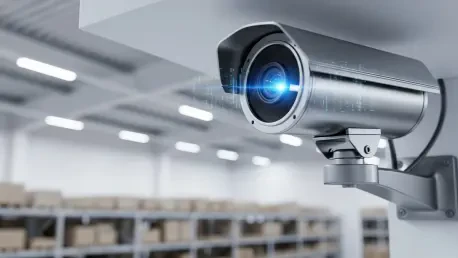

The transformation of a standard optical lens into an autonomous decision-making hub represents the most significant shift in the history of physical security infrastructure since the move from analog to digital. This evolution marks the end of cameras acting as passive recorders and the beginning of their role as edge-native computers. Security professionals no longer view these devices merely as tools for forensic investigation but as vital sources of real-time operational data. The traditional paradigm, which relied on back-end servers to interpret every pixel, is collapsing under the weight of massive data volumes, paving the way for a more efficient, decentralized model.
By migrating intelligence to the network edge, organizations are creating a more resilient and responsive security posture. The modern camera acts as a multifaceted sensor, capturing not just light but also metadata that describes the context of a scene. This shift allows for proactive incident management, where the system identifies potential threats before they escalate. Consequently, the role of surveillance is expanding beyond simple protection to include comprehensive site management and situational awareness.
The New Frontier of Physical Security and Intelligent Observation
The transition from passive video recording to active, autonomous computing platforms is largely facilitated by the integration of sophisticated hardware at the point of capture. Industry leaders have introduced powerful system-on-chip solutions, such as the Hanwha Wisenet 9 and the Axis ARTPEC 9, which provide the dedicated processing power required for complex deep learning tasks. These specialized chipsets allow cameras to execute multiple AI models simultaneously without sacrificing image quality or frame rate. As a result, the camera has evolved into a sophisticated edge device that filters data locally, ensuring only meaningful information reaches the central monitoring station.
Modern enterprise infrastructure now requires these intelligent sensors to act as the first line of defense and data synthesis. By moving the heavy lifting of video analysis to the network edge, facilities can scale their security operations without needing to exponentially increase their server room footprints. This architectural shift empowers users to deploy high-density camera networks that are smarter, faster, and more economical to maintain over time. The influence of these high-performance hardware platforms has effectively redefined the baseline expectations for performance in the commercial and industrial security sectors.
Driving Forces and Market Dynamics in the Edge Computing Era
Technological Catalysts and Evolving User Requirements
The migration from simple motion detection to sophisticated object classification marks a critical turning point for the industry. Unlike older systems that struggled with environmental triggers like wind or shadows, Edge AI cameras can accurately distinguish between humans, various vehicle types, and specific behaviors. This precision is driven by a demand for reduced latency and bandwidth optimization, as users seek to minimize the data load on their networks. By processing video at the source, these devices provide immediate alerts while consuming a fraction of the bandwidth required by traditional cloud or server-side solutions.
Furthermore, the convergence of security and business intelligence is opening new revenue streams for stakeholders in retail, healthcare, and logistics. In a retail environment, the same camera that provides loss prevention can also track foot traffic patterns and optimize store layouts. In healthcare settings, these sensors monitor patient safety and room occupancy without requiring constant human oversight. This dual-purpose utility significantly lowers the total cost of ownership, making high-level intelligence a standard requirement for modern facilities.
Evaluating Growth Projections and Industry Adoption Metrics
Market dynamics indicate a decisive shift from traditional server-side processing to edge-native deployments from 2026 to 2030. Performance indicators for these systems show a dramatic reduction in nuisance alarms, which previously plagued monitoring centers and reduced overall security effectiveness. Increased operational efficiency is now the primary metric of success for large-scale facility managers who oversee hundreds or thousands of devices. The adoption of AI-enabled hardware is no longer confined to high-security zones; it is becoming the foundational standard for smart building management.
The integration of these devices is particularly visible in large-scale logistics hubs where real-time tracking of assets is essential. Industry data suggests that organizations utilizing edge processing have seen a measurable improvement in incident response times and resource allocation. As the cost of high-intelligence hardware continues to normalize, the barrier to entry for smaller enterprises is also diminishing. This widespread adoption is creating a more connected ecosystem where every camera contributes to a broader intelligence network rather than functioning in a silo.
Navigating Operational Hurdles and Technical Bottlenecks
The industry has long struggled with the legacy of operator fatigue, a condition caused by inaccurate detection systems that flooded monitors with false positives. Edge AI addresses this by ensuring that only verified events reach the security personnel, allowing them to remain focused and effective. However, the complexity of redesigning legacy systems to support these new capabilities poses a significant challenge for security integrators. These professionals must now transition from simple hardware installers to sophisticated systems consultants who understand both physical security and complex IT networking.
Technical strategies for managing high-powered processing at the point of capture involve balancing power consumption with thermal management. Because these cameras are essentially high-performance computers, they must operate reliably in diverse environmental conditions. Bridging the gap between physical security requirements and enterprise IT standards is another critical hurdle, as security devices must now comply with the same rigorous protocols as any other network-connected asset. Success in this new landscape requires a holistic approach to system design that prioritizes both intelligence and reliability.
Governance and the Ethical Framework of Automated Surveillance
Edge AI plays a pivotal role in enhancing privacy through local data processing and real-time redaction. By analyzing data at the source, organizations can apply privacy masks or blur faces before the video is ever transmitted or stored, significantly reducing the risk of data exposure. This capability ensures compliance with global data protection regulations, such as those governing personal identity and localized storage. Localized processing means that sensitive information remains within the device, providing a layer of protection that centralized systems cannot easily match.
Cybersecurity is now treated as a continuous lifecycle rather than a one-time configuration. Protecting network-connected computers from external threats requires a proactive strategy that includes regular firmware updates, secure credential management, and encrypted communication. Organizations are also establishing clear policies for the ethical utilization of AI-generated metadata to ensure transparency and accountability. As cameras become more intelligent, the responsibility to manage the resulting data ethically becomes a central pillar of any successful security strategy.
Anticipating the Next Wave of Decentralized Intelligence
The emerging trends in the industry point toward support for multiple simultaneous analytics and deeper contextual environmental awareness. Future devices will likely possess the ability to correlate data from various sensors to provide a more comprehensive understanding of a scene. This rise of intelligent decision-support platforms over standard recording tools will disrupt the market by offering more than just video evidence. These platforms will provide predictive insights that allow organizations to anticipate needs and mitigate risks before they manifest physically.
Future growth areas include smart city infrastructure and automated occupancy management, where the synthesis of data from thousands of edge devices will optimize urban living. The impact of global economic conditions remains a factor in the procurement of high-intelligence hardware, yet the long-term savings in operational efficiency often outweigh the initial capital expenditure. As decentralized intelligence continues to mature, the distinction between a camera and a data processor will continue to blur, leading to a new era of proactive environmental management.
Final Synthesis: Embracing the Shift Toward Intelligent Decision Platforms
The industry recognized that the transition from passive image capture to active data synthesis was the only viable path forward for modern security. Strategic stakeholders prioritized investments in Edge AI to overcome the limitations of human monitoring and centralized processing. This shift permanently redefined the hierarchy of surveillance, moving the camera from the periphery to the center of the enterprise IT ecosystem. Organizations that embraced this change achieved a higher level of operational awareness and efficiency than those who remained anchored to legacy technologies.
Strategic recommendations for investors emphasized the necessity of focusing on automated workflows rather than simple recording capabilities. It became clear that the value of a surveillance system was measured by the actionable intelligence it generated rather than the volume of video it archived. By treating cameras as sophisticated data platforms, the security industry successfully aligned itself with the broader goals of digital transformation and organizational resilience. Ultimately, the synthesis of artificial intelligence at the edge proved to be the most critical development in the history of physical security.