
Uganda currently finds itself at a historical crossroads where the decision to integrate localized digital infrastructure will determine its economic trajectory for the next several decades. While the global landscape increasingly moves toward a data-centric model, the traditional reliance on external tech providers has created a vulnerability that necessitates a shift toward internal management of digital resources. By establishing robust data sovereignty and leveraging digital tools within the agricultural sector, the country can move beyond being a passive consumer of technology to becoming an active architect of its own financial and digital future. This transformation is not merely about adopting new software; it is about reclaiming control over the primary resource of the modern age—information. As the digital divide narrows, the ability to protect national interests while empowering the most productive sectors of the economy will serve as the foundation for a resilient, self-sufficient, and highly competitive state.
Establishing Control Through Local Cloud Solutions
The Shift: From Global to Domestic Storage
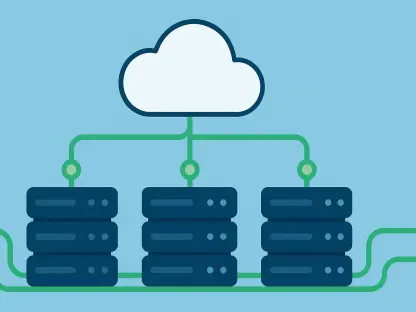
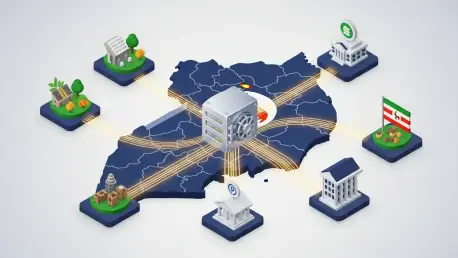
The movement toward localized data storage represents a fundamental shift in how the nation views information as a sovereign asset rather than a secondary commodity. Currently, data often moves through international channels with such speed that it outpaces the reach of domestic law, leaving critical information in a legal gray area where foreign jurisdictions may take precedence. By implementing a local cloud model, the government and private enterprises can ensure that all data collected within national borders remains subject to the specific laws and regulations of the land. This transition is less about isolationism and more about creating a transparent environment where legal compliance is guaranteed for sectors dealing with sensitive information. Organizations that store their data domestically find it much easier to adhere to privacy, tax, and digital security mandates, as the information remains physically and legally accessible to the domestic judicial system at all times.
A robust domestic cloud infrastructure also serves as a prerequisite for building public trust and ensuring national security in an increasingly volatile digital world. When government archives, personal health records, and banking information are stored within national borders, the state possesses a higher degree of oversight and protection against foreign interference or extrajudicial access. Furthermore, the physical proximity of data centers to the end-user significantly reduces latency, which is the delay in data transfer that can often plague digital services in developing markets. This increased speed and reliability are essential for the widespread adoption of e-government platforms and advanced banking services, as citizens are more likely to engage with digital systems that are both secure and efficient. By prioritizing local storage, the nation builds a digital environment that is not only faster and more reliable but also fundamentally anchored in the trust of its people and the strength of its laws.
Growth Drivers: Economic Catalysts and Technical Advancement
Investing in domestic digital infrastructure functions as a powerful engine for economic development that extends far beyond the immediate technology sector. The construction and maintenance of high-tier data centers require a diverse and highly skilled workforce, ranging from specialized engineers to cybersecurity experts. This demand fosters the growth of local technical talent, providing young professionals with the high-level experience necessary to compete in the global marketplace without needing to emigrate. Furthermore, a homegrown tech ecosystem reduces the historical reliance on foreign technology giants, which often extract significant capital from the economy in the form of service fees and licensing. By developing internal capabilities, the nation retains more wealth within its borders while simultaneously building the intellectual capital required to innovate and solve local problems using modern technologies like artificial intelligence and big data analytics.
Beyond the creation of jobs, the shift toward local cloud solutions acts as a safeguard against the financial risks associated with international regulatory non-compliance. Global data transfer laws are becoming increasingly complex, and the penalties for violating these standards can be devastating for local businesses and government agencies. By maintaining data within a domestic framework, organizations can navigate the regulatory landscape with greater precision, avoiding heavy fines and the legal uncertainties that come with storing information in third-party nations. This stability encourages both domestic and foreign investment, as businesses are more likely to commit capital to a market that offers a clear and predictable digital legal framework. Ultimately, the integration of modern digital tools under a framework of national control allows the country to manage its own progress, ensuring that the benefits of the digital revolution are distributed equitably across the entire economic landscape.
Modernizing the Agricultural Backbone
Agriculture 2.0: Precision Farming and Market Transparency
Agriculture remains the cornerstone of the national economy, yet its full potential has been hindered for years by antiquated techniques and a persistent lack of access to real-time information. The introduction of reliable internet connectivity to rural areas is fundamentally changing this dynamic, turning digital access into a resource as vital as fertile soil or consistent rainfall. Through mobile platforms and internet-enabled sensors, farmers can now access precision agriculture tools that provide critical data on weather patterns, soil health, and pest alerts. This level of insight allows for more informed decision-making regarding planting, irrigation, and harvesting, which directly translates into higher yields and significantly reduced crop loss. This evolution shifts the agricultural narrative from one of survival and subsistence to one of data-driven productivity, where technology acts as the primary catalyst for growth.
Digital tools are also playing a crucial role in dismantling the information barriers that have historically allowed intermediaries to dominate the agricultural marketplace. In the past, farmers were often at the mercy of traders who controlled information regarding crop prices in urban centers, leading to unfair compensation for the producers. Today, digital transparency allows farmers to monitor real-time prices in major markets and negotiate directly with buyers through mobile communication. This shift in the balance of power ensures that a greater share of the profit remains with the farmers themselves, improving the economic stability of rural communities. Furthermore, the ability to track market trends and demand in real time allows for better crop diversification and more efficient supply chain management. By empowering the individual producer with information, the digital revolution is creating a more equitable and transparent agricultural sector that serves as a robust engine for national economic resilience.
Inclusion and Innovation: Financial Systems and the Next Generation
The integration of mobile money and internet-based payment systems has revolutionized the way agricultural business is conducted, leading to unprecedented levels of financial inclusion. Historically, smallholder farmers were excluded from the formal economy due to the lack of physical banking infrastructure in rural regions and the high costs associated with traditional financial transactions. Today, the ability to conduct secure, instantaneous payments through mobile devices has streamlined the entire agricultural value chain, from purchasing seeds and fertilizers to receiving payment for the final harvest. This digital financial ecosystem eliminates the need for long-distance travel and reduces the risks associated with carrying large amounts of cash. As a result, farmers can manage their finances with greater efficiency and reinvest their earnings into their farms more quickly, fostering a cycle of continuous improvement and economic growth.
Perhaps the most significant impact of this digital transformation is the renewed interest it has sparked among a younger generation of tech-savvy “agri-preneurs.” For years, the agricultural sector struggled with an aging workforce, as young people moved to cities in search of modern career opportunities. However, the rise of agritech—the intersection of agriculture and technology—is changing that perception, showing that farming can be a high-tech and highly profitable career path. Young innovators are now utilizing digital platforms to launch startups that provide everything from drone-based crop monitoring to specialized logistics services. This influx of youthful energy and technical expertise is essential for the long-term sustainability of the sector, ensuring that the agricultural backbone remains strong and adaptable. By bridging the gap between traditional practices and modern technology, the nation is securing its food supply while simultaneously building a vibrant and innovative future for its largest economic sector.
The Path Forward for Digital Resilience
The successful integration of localized cloud solutions and digital agricultural tools provided a clear roadmap for achieving long-term economic independence. Policymakers recognized that by anchoring data within national borders, they created a secure environment that fostered both public trust and international investment. This foundation allowed for the seamless rollout of digital services that empowered the agricultural sector, turning it into a modernized engine of growth. The synergy between secure infrastructure and sectoral innovation proved that digital sovereignty was not just a technical requirement but a strategic necessity for competing in the global market. Stakeholders focused on building scalable systems that remained adaptable to emerging technologies, ensuring that the digital landscape could evolve alongside the needs of the population.
Future progress was maintained through a committed effort to expand digital literacy and physical connectivity into the most remote regions of the country. Leaders in the telecommunications and technology sectors collaborated with government agencies to ensure that the infrastructure required for high-speed internet and local data storage was both robust and accessible. This approach transformed the digital divide into a bridge for economic opportunity, allowing rural communities to participate fully in the formal economy. By prioritizing the protection of digital assets and the empowerment of smallholder producers, the nation established a model of development that balanced technical advancement with social equity. The strategic decisions made regarding data management and agricultural modernization ultimately secured a more resilient and self-reliant economy for all citizens.