
The modern utility grid survives on a digital nervous system that was never originally designed to withstand the sophisticated probes of modern nation-state actors today. The core principles of Industrial Control Systems (ICS) and Supervisory Control and Data Acquisition (SCADA) once relied on physical isolation for safety. However, the historical shift toward networked infrastructure has exposed these systems to external threats. Water security is now a pillar of national defense, requiring specialized technical defense mechanisms that go beyond general IT solutions to protect the flow of life-sustaining resources.
Introduction to Water System Digital Resilience
Supervisory systems within water utilities regulate everything from chemical ratios to flow pressure. These networks were traditionally “air-gapped,” meaning they had no connection to the public internet. As digital transformation swept through the sector, the efficiency of remote monitoring overrode the safety of isolation. This transition created a vast attack surface for state-sponsored actors looking to disrupt domestic stability through infrastructure manipulation.
The move toward specialized defense reflects a growing understanding that water systems are unique. Unlike power plants, which are often large and centralized, water utilities are granular and decentralized. This fragmentation makes them difficult to defend under a single umbrella. National security now depends on bridging the gap between legacy hardware and modern, high-speed digital monitoring.
Technical Frameworks: Infrastructure Defense
Operationalized Cyber Defense: Hands-on Technical Support
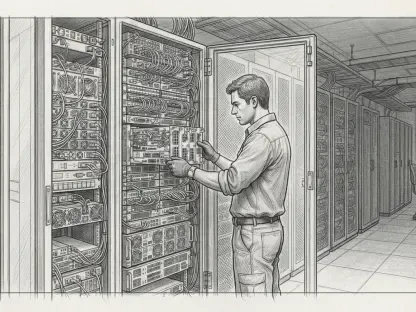
Current strategies have shifted from providing passive federal grants toward active, on-site technical collaboration. This hands-on approach involves experts working alongside utility operators to map out legacy system vulnerabilities. Rather than simply issuing mandates, this model focuses on identifying specific hardware that cannot support modern encryption. Direct intervention strategies have proven more effective than financial aid alone because they address the lack of specialized personnel at the local level.
Private-Sector Integration: Scalable Technical Solutions
Industry partners now provide the advanced monitoring tools necessary to secure decentralized networks. Top-of-the-line commercial technologies, often designed for large corporations, are being adapted for the unique constraints of small water utilities. These solutions offer real-time threat detection and automated incident response, allowing even the smallest municipal entities to benefit from world-class digital protection.
Emerging Trends: Strategic Shifts in Cybersecurity Policy
The current landscape is moving away from the “50-state solution” in favor of localized, pilot-driven models like “Project Watershed 250.” This 60-day initiative focuses on rapid implementation rather than long-term bureaucratic debate. By starting with concentrated efforts, the administration aims to create a repeatable blueprint for other regions. State-led commands, such as the Texas Cyber Command, act as vital intermediaries that translate federal oversight into practical local application.
Real-World Applications: Sector Deployments
Implementation in Texas serves as a primary case study for national infrastructure protection. Specific efforts have focused on mitigating Iranian state-sponsored activities that target water filtration and distribution systems. By deploying public-private partnerships, utilities have secured chemical processing and wastewater treatment systems against unauthorized access. These deployments prove that collaborative defense can prevent disruptions that might otherwise compromise public health.
Challenges: Securing Decentralized Water Networks
Fragmented systems continue to face technical hurdles, primarily the lack of specialized IT and OT personnel. Many local utilities operate on thin margins, making the high cost of advanced defensive technology a significant obstacle. Ongoing development efforts are focused on creating sustainable funding models that prioritize long-term technical resilience over one-time mandates. Without a way to drive down costs, small-scale utilities remain the weakest link in the national chain.
Future Outlook: National Water Security
The replication of the “Texas Model” is expected to influence other critical sectors like energy and transportation. Potential breakthroughs in automated threat detection will likely define the period from 2026 to 2030, significantly lowering the barrier to entry for robust security. As federal-private collaborations drive down technology costs, a more agile, results-oriented national policy will emphasize practical implementation over administrative compliance.
Summary of Findings: Strategic Assessment
The review of the current infrastructure revealed that the shift from decentralized vulnerability to structured, collaborative defense was a necessary evolution for national safety. The assessment of public-private partnerships showed that these models significantly improved the response times of local utilities to emerging threats. The strategic initiatives implemented throughout 2026 created a lasting impact on digital safety by moving beyond bureaucratic mandates to provide actual technical resilience. These collaborative efforts successfully bridged the gap between federal expertise and local operational needs.