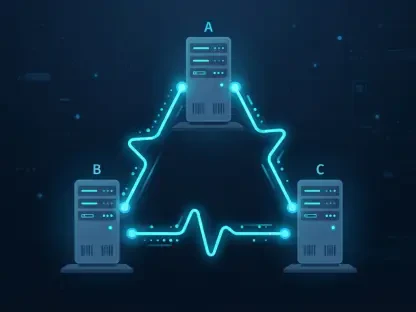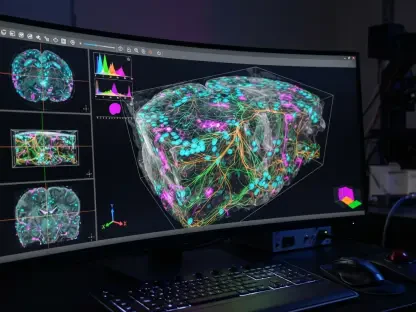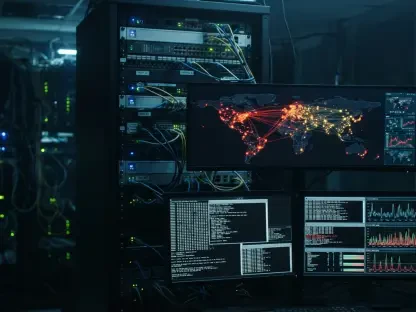

The 2026 tech landscape shifted dramatically when the OpenClaw framework transformed AI from a simple text generator into an autonomous executor capable of completing complex tasks independently. This pivotal development signaled the end of the era where large language models were relegated to mere

Security teams in 2026 face an unprecedented volume of automated attacks that bypass legacy rules and static firewalls. The protocol-based solution provided by Fingerprint addresses the integration challenge that currently serves as a major hurdle for corporate AI adoption. This advancement
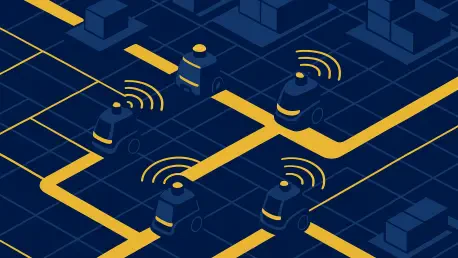
The strategic partnership aims to provide a robust digital backbone that matures alongside increasingly sophisticated robotic hardware and navigation tasks. This collaboration signifies a pivotal shift in the security sector, where static surveillance systems are rapidly being replaced by

While the initial cost of downloading open source code is zero, enterprise leaders are increasingly finding that the operational overhead of maintaining these systems can become a significant financial burden. This fundamental realization marks a shift in how modern corporations perceive software

Recent data indicating that over 33% of users utilize artificial intelligence for business operations suggests a significant market shift toward task-oriented computer use agents. This transition has prompted OpenAI to re-evaluate its proprietary boundaries, leading to the decision to open-source

True digital sovereignty involves more than just secure infrastructure; it requires granular authority over the entire lifecycle of data from its initial collection to its final disposal. In a landscape where artificial intelligence serves as the primary engine for decision-making and operational