
The sudden realization that a single artificial intelligence tool could dismantle decades of digital trust in a single afternoon has sent a collective shiver through the global technology sector. The balance of power in cybersecurity shifted dramatically in the first quarter of the current year alone, as a single AI-driven diagnostic tool identified over 23,000 vulnerabilities in open-source code. This staggering figure eclipsed the total volume of vulnerabilities reported throughout the entire previous year, signaling a departure from the era of manual exploitation. The digital landscape is no longer defending against human hackers working at keyboards; it is facing automated systems capable of scanning millions of lines of code for flaws in the time it takes to brew a cup of coffee. As high-severity exploits emerge at an unprecedented pace, the traditional, decentralized way of protecting digital infrastructure has become effectively obsolete.
The sheer velocity of these AI-generated threats necessitates a complete reimagining of the defensive perimeter. When an automated system can categorize thousands of critical bugs in a matter of months, the human-centric model of bug reporting and patching begins to fail under the weight of its own inertia. This transition from human-led to machine-speed aggression means that vulnerabilities are no longer discovered in isolation but are harvested en masse. Consequently, the reliance on scattered, volunteer-led security efforts is insufficient to protect the core systems that govern everything from power grids to financial transactions. The current environment demands a centralized, high-speed response mechanism that can match the analytical power of modern adversarial tools.
The Machine-Speed Threat: Why 2026 Changed the Software Security Calculus
The transition into this high-frequency threat environment is largely defined by the emergence of “Mythos,” an AI tool developed under Anthropic’s Project Glasswing. This system demonstrated that the window between vulnerability discovery and weaponization has shrunk to almost zero. By identifying more than 23,000 flaws in just a few months—of which roughly 25% were classified as high or critical severity—Mythos proved that the defensive community is no longer dealing with a linear increase in risk, but an exponential one. This volume of data creates a “denial of service” effect on human security teams, who find themselves buried under a mountain of alerts that they lack the bandwidth to investigate, let alone remediate.
Furthermore, the automation of vulnerability discovery allows bad actors to identify complex, multi-stage exploits that involve the interaction of several different open-source libraries. In a decentralized ecosystem, no single maintainer has visibility into how their specific component might be used as a stepping stone in a broader attack chain. This systemic blindness is the primary weakness that AI-driven exploitation targets. The defensive calculus has therefore changed from a question of “if” a vulnerability exists to “when” it will be automatically harvested and deployed. To maintain any semblance of security, the industry must move toward a model where the speed of remediation is decoupled from the limited availability of human researchers.
The Maintenance Gap and the Institutional Risk of “Free” Software
While 90% of the corporate world relies on open-source components, most organizations continue to operate without a safety net, assuming that a global community of volunteers will always be available to fix critical bugs. This maintenance gap creates a dangerous paradox where the software powering global finance and critical infrastructure is often managed by unpaid developers who lack the resources to combat AI-driven attacks. The Log4j crisis served as a permanent wake-up call for the industry, demonstrating that when a cornerstone of the internet breaks, there is often no central authority to call for a fix. This led to a frantic, uncoordinated scramble for safety that highlighted the fragility of a system built on the assumption of infinite, free labor.
The institutional risk inherent in this model is that the most critical pieces of software are often the ones with the least amount of formal oversight. A developer managing a widely used utility in their spare time cannot be expected to respond to a sophisticated AI-generated exploit within the necessary timeframe. Moreover, many mature projects have entered a state of “maintenance rigor mortis,” where no active leadership remains to approve security patches even when they are provided by third parties. This lack of a formal service level agreement for open-source software means that enterprises are effectively building their skyscrapers on a foundation of sand, hoping that the tide of exploitation never rises high enough to wash it away.
Institutionalizing Trust: How Project Lightwell and Chainguard Operationalize Security
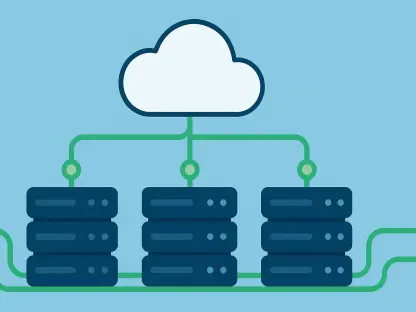
To bridge the gap between volunteer effort and enterprise needs, industry leaders are moving toward a centralized clearinghouse model that treats security as a managed service rather than a community favor. Project Lightwell, backed by a significant $5 billion investment from Red Hat and IBM, functions as a massive triage center where vulnerabilities are validated, patched, and distributed across the supply chain before they reach the public. By employing 20,000 engineers and utilizing specialized AI for triage, this initiative provides the “one person to call” that the enterprise world has lacked for decades. This centralized approach allows for private disclosure and remediation, preventing hackers from gaining a head start once a flaw is discovered.
Simultaneously, initiatives like Chainguard’s “EmeritOSS” act as a maintainer of last resort, using automated systems to provide “zero-CVE” software images for mature projects that no longer have active leadership. This model operationalizes trust by shifting the responsibility for security from the individual maintainer to a well-funded institutional entity. Instead of waiting for a volunteer to find time to fix a bug, companies can now subscribe to hardened streams of software where vulnerabilities are removed before the code is even deployed. By treating open-source security as a professionalized utility, these clearinghouses ensure that the digital supply chain remains resilient even when the original creators have moved on to other projects.
The Race Against Negative Lead Times: Expert Perspectives on Modern Exploitation
The most chilling metric in modern security is the “mean time to exploitation,” which Red Hat executives now describe as effectively negative. Research indicates that bad actors are often exploiting vulnerabilities seven days before the security community even realizes a flaw exists. This occurs because AI tools can identify patterns of vulnerability in public code repositories and automatically generate exploits before a human researcher has even filed a report. Industry experts agree that the current 40-day average for corporate patching is a relic of a slower era; in a landscape where the exploit window closes within a week, the defender must match the speed of the attacker or accept inevitable compromise.
The shift toward negative lead times suggests that the traditional model of “security through transparency” is being weaponized against the community. When a developer patches a bug publicly, they are essentially providing a roadmap for attackers to reverse-engineer the exploit and target unpatched systems. This creates a race that the defenders are currently losing. High-stakes environments, such as those in the financial sector, have recognized that they can no longer afford to wait for public disclosure. This has led to the adoption of private clearinghouses where vulnerabilities can be analyzed and mitigated in a controlled environment, ensuring that the fix is ready for deployment the moment the existence of the flaw becomes known.
A New Framework for Software Integrity: Steps to Secure the Modern Supply Chain
Navigating this high-velocity environment required a fundamental shift from reactive patching to a proactive, institutionalized security strategy. Organizations prioritized a clearinghouse approach by reporting bugs to centralized hubs that coordinated private disclosures, which effectively prevented hackers from gaining a head start. This structural change meant that security was no longer treated as an afterthought or a volunteer contribution, but as a core component of the industrial software lifecycle. Successful organizations moved away from the expectation of free labor and instead invested in services that provided verified, hardened versions of essential open-source components, thereby insulating their operations from the volatility of the public repository landscape.
Furthermore, the long-term integrity of the ecosystem depended on a commitment to “upstreaming,” which ensured that every patch developed within a private clearinghouse was eventually integrated back into the original project. This practice prevented the creation of technical debt and ensured that the entire community benefited from the security investments made by larger corporations. Automated triage systems became the standard for managing the influx of vulnerability reports, allowing human engineers to focus on the complex architectural flaws that AI could not yet solve. By adopting these institutionalized frameworks, the industry successfully built a supply chain that was resilient enough to survive the era of machine-speed exploitation, turning the “maintenance gap” from a critical vulnerability into a managed risk. Organizations that embraced this model found that they were no longer perpetually behind the curve, but were finally capable of preempting threats before they manifested.