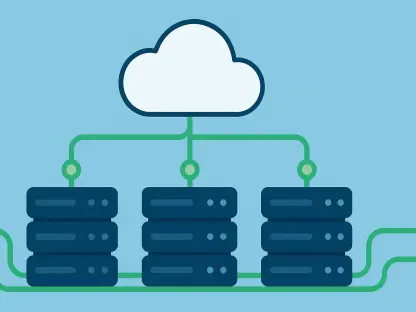

The rapid proliferation of low Earth orbit satellite constellations has fundamentally shifted the computational paradigm away from terrestrial data centers toward an integrated orbital mesh. As global organizations demand lower latency and real-time data processing for remote operations, the concept of Space-as-a-Service is evolving into a cornerstone of modern digital infrastructure. This transition is not merely about launching servers into space but rather about creating a ubiquitous, high-speed network that bypasses the physical limitations of ground-based fiber. By 2026, the integration of edge computing with orbital assets has enabled enterprises to process massive datasets locally in space before transmitting essential insights to ground stations. This shift significantly reduces the energy and bandwidth required for global connectivity, allowing for a more resilient architecture that functions independently of regional instability or infrastructure failures across the planet. This evolution ensures that data remains accessible and actionable, regardless of the geographic or political constraints that often hinder traditional cloud-based deployments.
Scaling Global Connectivity Networks
Decentralizing Data Beyond Earth
The decentralization of data storage and processing through orbital networks represents a fundamental shift in how global connectivity is architected across various industries. Terrestrial cloud services often struggle with high latency in remote regions, where a lack of subsea cables or fiber backbones creates significant digital divides for international corporations. Orbital nodes, particularly those residing in low Earth orbit, provide a direct line of sight to almost any point on the planet, ensuring that high-speed access is no longer a luxury reserved for urban centers. This global reach is essential for sectors like maritime logistics, where vessels require continuous, high-bandwidth communication to navigate complex environments safely. Furthermore, the ability to mirror critical data across a constellation of satellites ensures high availability even during catastrophic terrestrial events, effectively creating a fail-safe layer for the global economy that operates beyond the reach of local disasters.
Software-Defined Orbital Assets
Achieving this level of decentralization requires a sophisticated orchestration layer that can manage workloads across thousands of moving targets as satellites traverse the globe at high speeds. Modern software-defined satellites are now capable of hosting containerized applications, allowing developers to deploy code directly to the orbital edge as easily as they would to a traditional server rack. This capability transforms the satellite from a simple relay station into a dynamic participant in the cloud fabric, capable of performing complex AI-driven analysis on the fly. For instance, environmental monitoring services now use these orbital processors to detect illegal deforestation or oil spills in real-time, triggering alerts before the raw imagery is even downloaded to a database. This proactive approach to data management underscores the value proposition of space-based computing, where the speed of insight is prioritized over the volume of raw data transfer, leading to a more efficient and responsive global information network for all stakeholders.
Strategic Integration and Economic Viability
Industry-Specific Applications
Strategic adoption of space-based cloud services is rapidly expanding across sectors that were previously limited by the physical constraints of ground-based communication networks and data centers. In the field of precision agriculture, farmers now utilize real-time orbital analysis of soil moisture and crop health to optimize irrigation and fertilizer application on a massive scale. This immediate feedback loop allows for significant reductions in water waste and chemical runoff, directly contributing to more sustainable food production systems globally. Similarly, the energy sector relies on orbital compute nodes to monitor vast networks of remote pipelines and renewable energy installations, detecting leaks or mechanical failures within seconds. By shifting the initial data processing to the orbital edge, these companies eliminate the need for costly and fragile terrestrial sensor networks in remote regions, proving that space is a vital resource for modern industrial efficiency and long-term environmental stewardship.
Building Resilient Future Architectures
The integration of orbital assets into the broader cloud landscape necessitated a significant rethink of how organizations managed their digital footprints across multiple domains. To capitalize on these advancements, IT leaders adopted unified management platforms that could seamlessly bridge the gap between terrestrial servers and orbital compute nodes. It became clear that the most successful strategies prioritized the development of satellite-agnostic software that could run on any hardware platform, ensuring maximum flexibility in an evolving market. Businesses that invested early in edge-native applications found themselves better positioned to leverage the real-time insights provided by this new orbital layer. Furthermore, fostering partnerships with specialized service providers allowed companies to bypass the high capital expenditures traditionally associated with aerospace projects. By focusing on data portability and standardized protocols, enterprises successfully navigated the transition to a more connected and resilient global system.