
Chloe Maraina believes that data is not merely a collection of rows and columns, but a living narrative that defines the resilience of an organization. As a Business Intelligence expert with a deep focus on data science and the future of integration, she views the current wave of baby boomer retirements not just as a human resources shift, but as a critical risk to the structural integrity of IT ecosystems. Her vision centers on the intersection of human experience and machine learning, ensuring that the wisdom acquired over decades by veteran engineers is preserved and translated into actionable digital assets for the next generation.
In this conversation, we explore the multifaceted risks associated with the “silver tsunami” of retiring IT professionals and how the loss of undocumented expertise can lead to catastrophic system failures. We examine the comparison between knowledge loss and technical debt, identify the most vulnerable legacy systems dating back to the late nineties, and discuss the anthropological importance of storytelling in capturing tacit knowledge. Furthermore, we delve into how artificial intelligence can act as a digital librarian to extract insights from a decade of support tickets and the strategic necessity of mapping employee age profiles against long-term migration goals.
The loss of institutional knowledge is often described as a silent threat. How do you quantify this risk in the same category as technical debt or cybersecurity vulnerabilities when it doesn’t always show up on a balance sheet?
When an experienced employee walks out the door for the final time, they aren’t just taking their personal productivity with them; they are taking a massive library of context, nuance, and historical system behavior. I treat knowledge loss as a primary enterprise risk because, much like tech debt or a hidden security flaw, it quietly accumulates in the background until a major outage or a failed migration brings it to light. An undocumented expert—someone who keeps a system running through sheer memory and instinct—is effectively an unsupported application, which represents a massive liability for any organization. We often see systems that appear perfectly stable on paper, yet they are held together by a handful of people who understand the specific customizations and weird workarounds that have been implemented over twenty years. If those individuals retire without a transfer of wisdom, the organization loses the ability to manage upstream and downstream effects, leading to a fragility that most CIOs are only beginning to acknowledge.
When looking at an expansive IT environment, which specific systems are most at risk when these veteran employees depart, and how can a leader begin to map these single points of failure?
The most vulnerable areas are almost always the mission-critical systems that were developed in the 1990s or the early 2000s, where the original logic is known only to a dwindling number of people. In my experience, conducting a thorough technical debt assessment involves identifying every system that would have a high impact on customer service or manufacturing if it were to go offline suddenly. You often find that these legacy environments are managed by just one or two individuals who have been there since the beginning, creating a dangerous single point of failure that doesn’t appear on a standard risk register. Once you identify these critical nodes, you have to formally document them and decide whether they need to be renewed or given a dedicated support structure to survive the transition. It is a journey that starts with admitting that the operational stability of your most important tools might rely on the memories of people who are nearing retirement age.
Documenting a process is one thing, but how do you capture the “tacit knowledge” or the gut-instinct judgment that experienced workers use to solve complex problems?
Tacit knowledge is notoriously difficult to pin down because it involves the “why” behind a decision rather than just the “how” of a task, such as knowing exactly which workaround to avoid because it failed three times in the last decade. I look at this through the lens of anthropology, where wisdom is historically passed down through storytelling rather than dry manuals or playbooks. Instead of asking a veteran to write a report, we should be holding workshops where they tell stories about the times things went wrong and the logic they used to fix them. By focusing on the trade-offs they made during past crises, we can begin to record the judgment calls that standard documentation completely misses. This allows us to capture the experience of someone who has seen a specific error occur only a few times in ten years, ensuring that their unique logic is preserved for the people who will eventually take over their role.
Is the capture of this expertise something that should be a constant part of the IT culture, or is it a reactive measure that only kicks in as an employee prepares to retire?
It absolutely must become an ongoing discipline rather than a last-minute scramble, especially given that many of the people supporting our most vital systems are currently in their 50s and 60s. Most technical teams are so focused on immediate hardware and software support that they neglect the demographic shift happening right under their noses. I recommend mapping the age profile of your entire support staff against your critical systems to see who is eligible to retire within the next five years. When you realize that a major platform migration might take three to five years to complete, but the people who understand the current system are leaving in two, the risk becomes terrifyingly clear. By making this a regular part of the risk management strategy, you can present a clear mitigation plan to the board before the knowledge gap turns into a crisis.
How can leadership overcome the challenge of knowledge hoarding and use modern tools like AI to ensure that information is accessible across the organization?
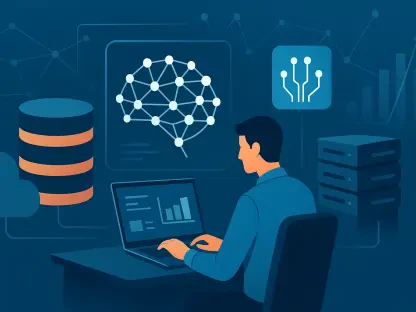
Encouraging people to share what they know requires a high level of empathy; you have to talk to these veterans two or three years before they leave and frame the documentation process as a way to protect their future retirement. We want them to enjoy their time with their grandkids without being pestered two or three days a week with emergency calls because they are the only ones who know how a unique system works. However, for those who are less inclined to share or who believe they will be at the company forever, we can turn to AI as a digital librarian to scrape fragmented data. By having AI analyze ten years of service tickets, meeting transcripts, and project histories, we can summarize every fault and fix to build a knowledge repository that didn’t exist before. This allows us to collect mass amounts of data from across the organization and synthesize the logic behind a decade of upgrades and enhancements, turning fragmented history into a cohesive asset.
What is your forecast for the future of data management in an era where human expertise is increasingly being augmented or replaced by these automated systems?
I believe we are entering a phase where the primary role of a Chief Information Officer will shift from managing technology to managing “contextual data” and organizational memory. Over the next few years, the companies that thrive will be those that successfully bridge the gap between human intuition and machine intelligence, using AI not just to automate tasks but to archive the human logic that keeps businesses running. We will see the rise of “knowledge digital twins,” where the collective wisdom of a retiring workforce is codified into large language models that junior employees can query in real-time. This transition will require a fundamental rethink of how we value older employees, moving them from operational roles into advisory “storyteller” roles where their primary output is the enrichment of the corporate knowledge base. Ultimately, the future of data management isn’t just about how much information we can store, but how much human wisdom we can successfully integrate into our digital infrastructure.